By Jasmine Reed, PowerVault Staff
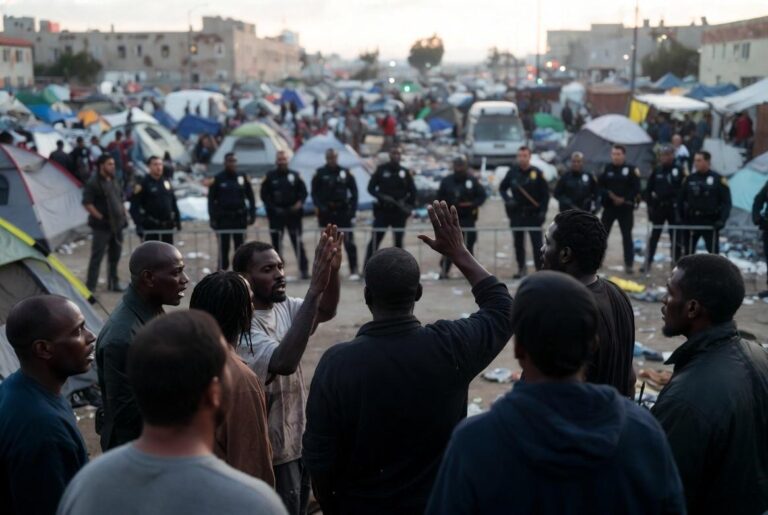
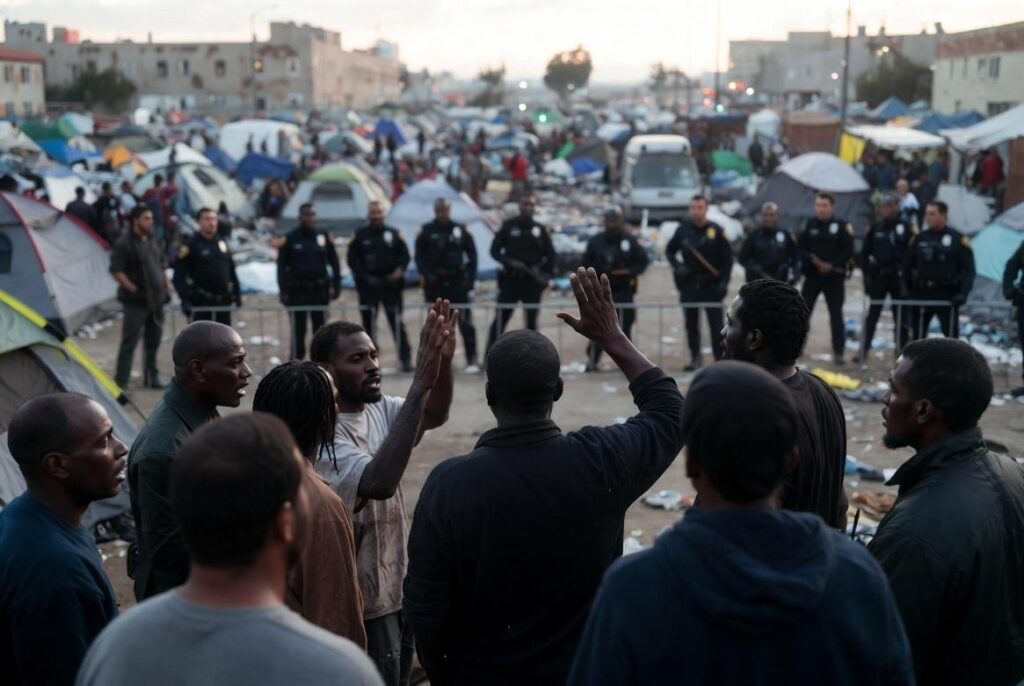
In recent months, the streets of Skid Row have become a battleground, with murder rates climbing to devastating new heights. This area, often cited as the largest homeless encampment in the United States, is home to a disproportionate number of Black individuals who are increasingly becoming victims of gun violence. What we’re witnessing is not just an urban crisis; it is a clarion call highlighting the systemic failures that have long plagued our communities.
Skid Row is not simply a geographical location; it embodies the culmination of failed policies and social neglect that have marginalized Black lives in America. Decades of disinvestment in Black neighborhoods, coupled with rising economic inequality and a lack of affordable housing, have poured gasoline on an already raging fire. The cycle of poverty, compounded by mental health issues and substance abuse, is exacerbated by a lack of accessible resources. Nowhere is this more evident than on Skid Row, where the dreams of many have devolved into a daily struggle for survival. The increasing violence is a tragic outcome of this neglect, and it paints a troubling picture of what happens when the fabric of a community is torn apart.
As we turn our gaze toward this crisis, we must confront the urgent question: what does this mean for Black culture and our communities at large? The violence that is claiming lives on Skid Row is not an isolated issue but a reflection of the broader societal decay around us. This crisis challenges us to reevaluate how we invest in our communities and the narrative we tell about Black life in America. It forces us to recognize that the struggles faced by our people in the poorest neighborhoods are not simply “other” problems; they are our problems, too. When our brothers and sisters are being hunted in the streets, it is a stain on our collective conscience that cannot be ignored.
Looking back, we can draw parallels to the crack epidemic of the 1980s, a time when entire neighborhoods were ravaged by violence and despair. Then, as now, the narrative around this devastation was controlled by those outside our communities. The media often portrayed us as criminals rather than victims of a system that has failed to protect us. This crisis is about more than just statistics; it is about human lives and the cultural legacy we will leave behind. Just as in previous epochs, we are at a crossroads where we must choose between silence or activism, between despair or reclamation of our narratives.
So, what is next? As we witness these alarming trends on Skid Row, we need to rally together—not just in outrage but in action. We must hold our leaders accountable, demand resources, and create pathways for healing and empowerment within our community. Let us not allow this to be a fleeting news story but a starting point for a movement that prioritizes the lives of our most vulnerable. The ongoing violence on Skid Row is a reflection of our collective failure, but it can also serve as the catalyst for change we so desperately need. We have the power to turn tragedy into transformation, but it requires all of us to take a stand.
About The Author