By Jasmine Reed, PowerVault Staff
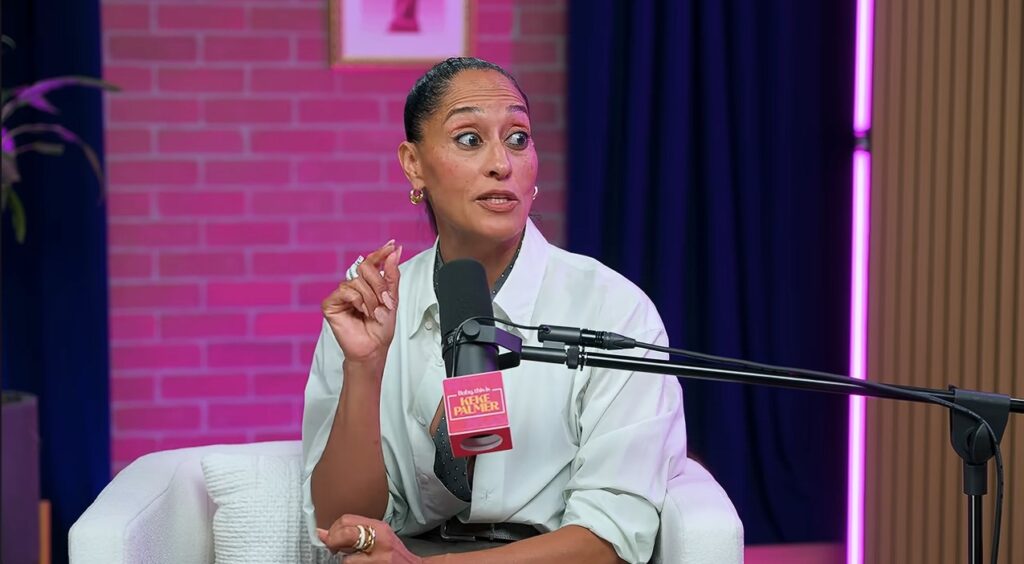
In a recent appearance on “Baby, This is Keke Palmer,” Tracee Ellis Ross opened up about her childhood encounters with the iconic artist Andy Warhol, recalling how she was scared of him as a child. This bittersweet reflection is a testament to the profound impact that cultural figures can have on our developing minds, especially for those in the spotlight from an early age. Growing up in a family synonymous with music royalty, Ross found herself in the orbit of creative giants, and her feelings toward them were a mix of admiration and intimidation.
To understand why these feelings resonated with Ross, we need to take a step back and consider the environment in which she was raised. The daughter of legendary singer Diana Ross, Tracee was surrounded by the luminaries of the entertainment world. This was a time when pop culture icons often wielded tremendous influence, not just in the artistic sense, but also in shaping societal norms and expectations. For a young Ross, encountering someone like Warhol—whose work was often provocative and who embodied a certain kind of eccentric masculinity—could easily feel overwhelming. His presence was a stark reminder that art does not exist in a vacuum; it has the power to evoke fear, wonder, and even confusion, especially for those who are struggling to understand their own identities.
In many ways, this evokes a conversation about the dualities present in our cultural narratives. Artists like Warhol were at the forefront of the avant-garde, challenging conventions and pushing boundaries. However, for people of color, particularly those who grew up in artistic families, the relationship with such figures can be complex. For many, their contributions to art were often overshadowed by their identities and the spaces they occupied. This dynamic highlights the need to examine who gets to define cultural significance and the often unspoken anxieties that accompany interactions with iconic figures.
Looking back at similar moments in history, we can draw parallels to the era of the Harlem Renaissance, where Black artists and thinkers were both celebrated and misunderstood by the mainstream. Just as Langston Hughes and Zora Neale Hurston navigated their own fears and aspirations in the context of their artistry, so too does Ross’s experience echo the struggles that many face when confronting the titans of culture. Whether it’s fear or inspiration, the emotional landscape surrounding these interactions reflects a larger narrative about representation and belonging within the arts.
As we reflect on Tracee Ellis Ross’s childhood fears, it’s essential to recognize that these moments shape the narrative of creativity and influence. The arts community today continues to grapple with these themes, striving to create spaces where young creators can feel both empowered and understood. Moving forward, we should watch how these conversations evolve, particularly as new generations of artists emerge, bringing their own perspectives to the complex tapestry of culture. The intersection of fear and admiration that Ross spoke of is not just a personal narrative; it speaks to a collective experience that will continue to inform the future of Black artistry and its impact on the world.
About The Author