By Marcus Ellison, PowerVault Staff
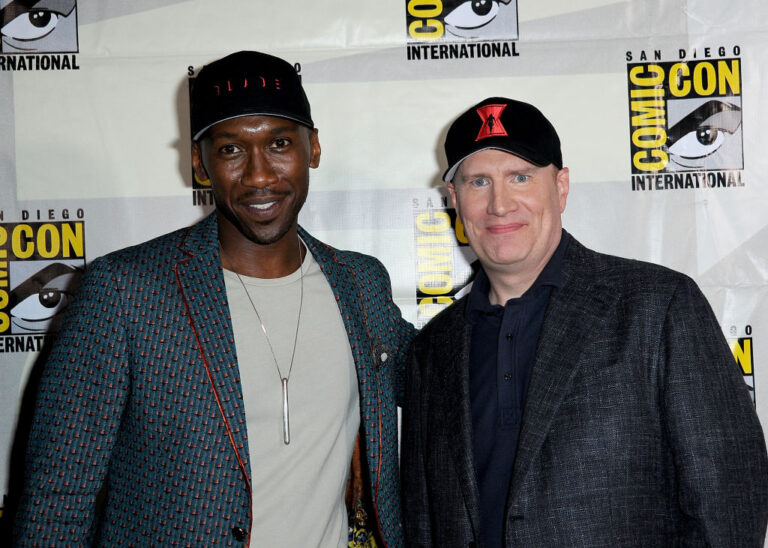
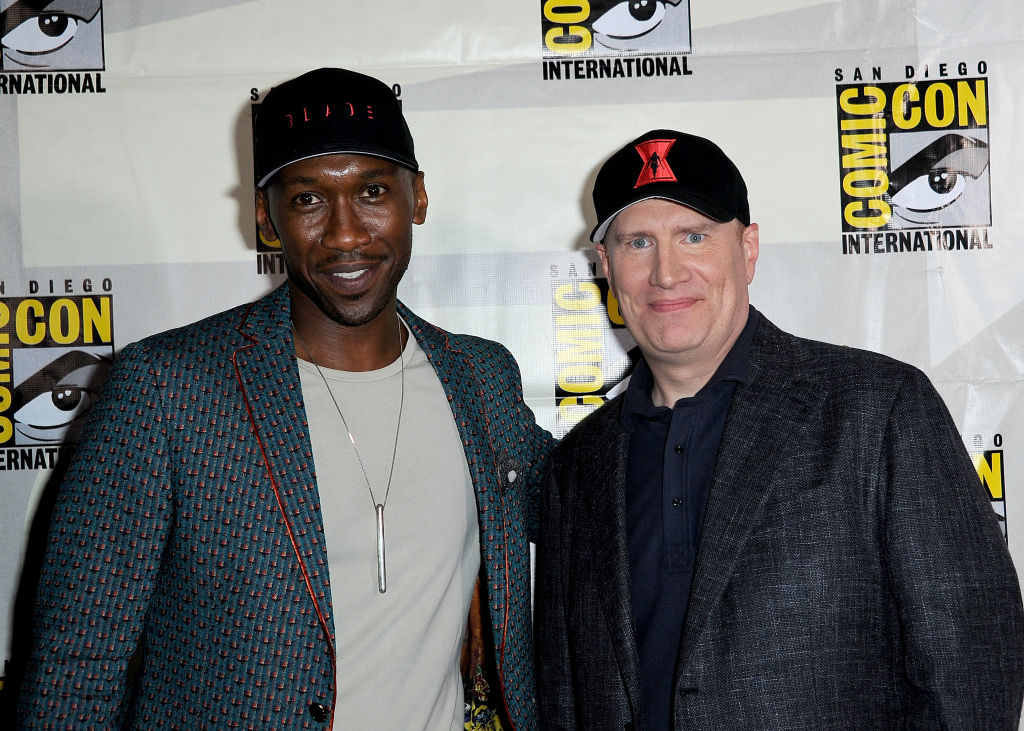
In a surprising turn of events, Marvel Studios president Kevin Feige recently expressed his true feelings about the much-anticipated ‘Blade’ film, admitting that he feels like a “gigantic loser” for the project’s significant delays and struggles. After years of excitement surrounding Mahershala Ali stepping into the iconic role of the vampire hunter, it seems the film’s journey has been far from smooth. This candid admission isn’t just a moment of vulnerability; it reflects the heightened expectations surrounding the character and the cultural weight that comes with it.
‘Blade’ is more than just a superhero flick; it’s a pivotal representation of Black excellence in pop culture. The original Blade trilogy, starring Wesley Snipes, was groundbreaking and laid the foundations for the modern superhero genre that we know today. As the first Black superhero to headline his own feature film, Blade opened doors and broke racial barriers, making it only fitting that Mahershala Ali, a two-time Academy Award winner, would be chosen to revive this beloved character. Yet, as we stand at this crossroads, the lingering question arises: why is it so hard for Hollywood to get this right, especially when the stakes are so high?
In many ways, this situation mirrors the broader struggles of Black cinema. The industry has a long history of sidelining Black talent and narratives, often struggling to recognize the cultural significance behind these stories. When someone like Feige speaks out about his disappointments, it underscores a systemic issue within Hollywood: the persistent mishandling of projects that carry weight not only in the box office but also in the cultural consciousness. We need to ask ourselves—what does it mean when a studio fails to deliver on a promise to its audience? It’s not just a missed opportunity for entertainment; it’s a disservice to an entire community that yearns for representation that feels authentic and powerful.
This is not the first time we’ve seen a promising project stumble due to internal struggles. Just look at the trajectory of ‘Black Panther.’ Before it became a cultural phenomenon, it too faced hurdles that threatened its release. Ryan Coogler’s vision was almost sidetracked by industry disbelief and lack of faith in Black-led narratives. However, the magic happened when stakeholders took a chance on it, recognizing the importance of representation. Marvel’s willingness to invest in that vision paid off, and ‘Black Panther’ became a landmark moment, proving that when Black stories are told authentically, they resonate.
As we look to the future, it’s crucial that Marvel and other studios learn from this misstep with ‘Blade.’ The stakes are high, and the community is watching. Fans are eager to support nuanced storytelling that celebrates Black culture, and if Hollywood can’t rise to meet that demand, they risk alienating a core audience. The anticipation for ‘Blade’ isn’t just about the action and special effects; it’s about seeing Mahershala Ali, a powerhouse of talent, fully embody a character that embodies resilience, strength, and identity. Marvel has an opportunity to right this ship, and all eyes will be on them as they attempt to unveil the next chapter of this legendary character. Whatever the outcome, let’s hope they remember that the success of ‘Blade’ is not just about making money; it’s about making history.
About The Author