By Andre Coleman, PowerVault Staff
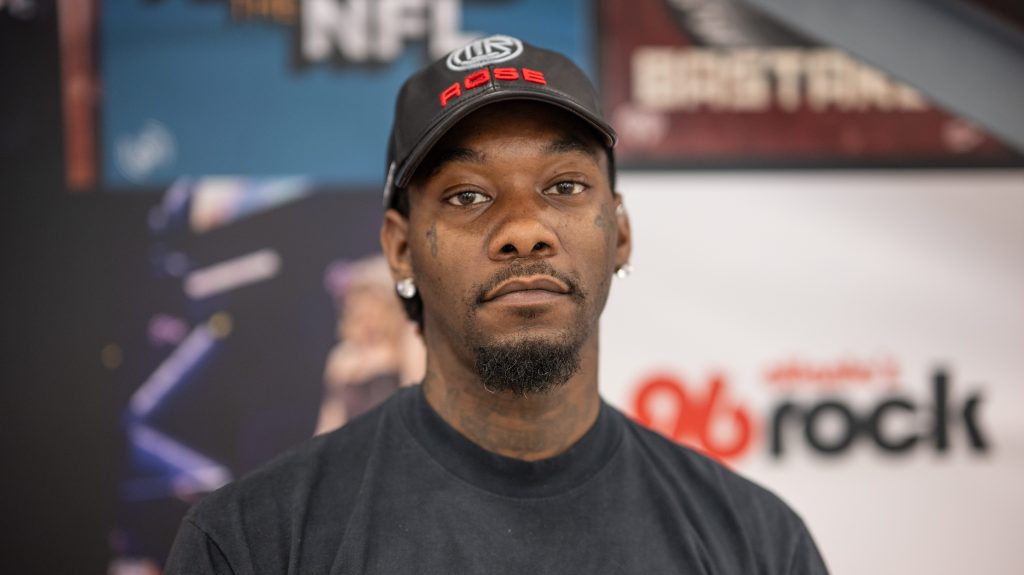
In a notable turn of events, Offset, one of the defining voices of contemporary hip-hop, has been sentenced to 50 hours of community service following an altercation with a security guard at a weed dispensary. This incident has not only sparked conversations around the rapper’s behavior but also raised questions about the broader implications for the culture he represents. With an accompanying mandate for anger management and restrictions on firearm possession, Offset’s legal repercussions underscore a pressing need for introspection within the industry.
To understand the significance of this moment, we need to consider the duality of modern hip-hop culture. On one hand, it often celebrates raw authenticity and the unfiltered expression of emotions, including anger—a sentiment that resonates with many fans who have faced systemic injustices. On the other hand, this same culture sometimes fails to grapple with the consequences of these emotions spilling over into real-world violence. Offset’s confrontation at the dispensary is a stark reminder that fame does not exempt artists from the repercussions of their actions; rather, it amplifies them, placing a spotlight on personal accountability in an industry that frequently romanticizes rebellion.
This incident also brings to light the ongoing struggle between personal demons and public persona that many artists navigate. Hip-hop has always had a complicated relationship with masculinity and aggression, often glorifying it while also depicting the toll it takes on artists and their communities. Offset’s situation serves as a case study in this dichotomy, illustrating how the pressures of fame, coupled with a history of trauma and societal oppression, can manifest in explosive behavior. It’s a critical juncture for artists to redefine what strength looks like, moving away from violent expressions of emotion towards healthier outlets.
Looking back, we can draw parallels to other moments in the hip-hop landscape, such as the fallout from the altercations surrounding artists like Lil Wayne and Chris Brown. Each of these instances prompted conversations about mental health, anger management, and the importance of seeking help rather than resorting to violence. Yet, the cycle often repeats itself, leaving us to wonder whether the lessons learned have truly taken root in the industry’s psyche. As Offset embarks on his community service and anger management programs, one can only hope that it serves as a catalyst for broader change, encouraging others to seek healing over harm.
As we move forward, it will be essential to monitor how Offset handles this chapter of his life and career. Will he use his platform to advocate for mental health awareness and personal growth, or will this be just another footnote in the ongoing saga of celebrity missteps? The path he chooses could very well influence a generation of young artists who look to him for guidance. In a culture that often glorifies rage, Offset has an opportunity to redefine the narrative, showing that true strength lies not in aggression, but in the courage to change and grow for the betterment of oneself and the community.
About The Author