By DeShawn Price, PowerVault Staff
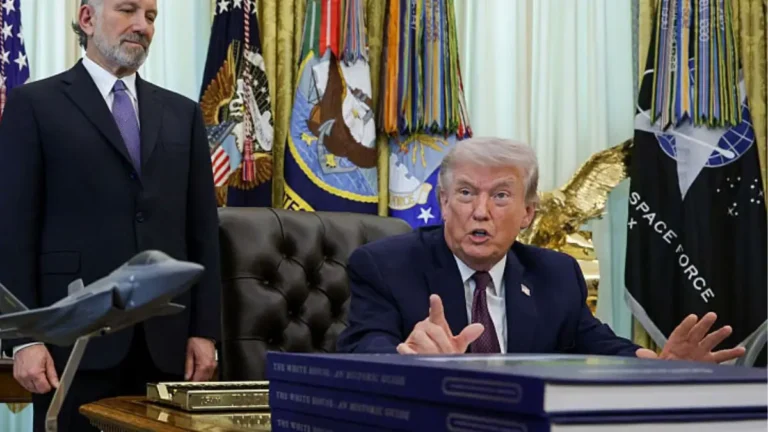
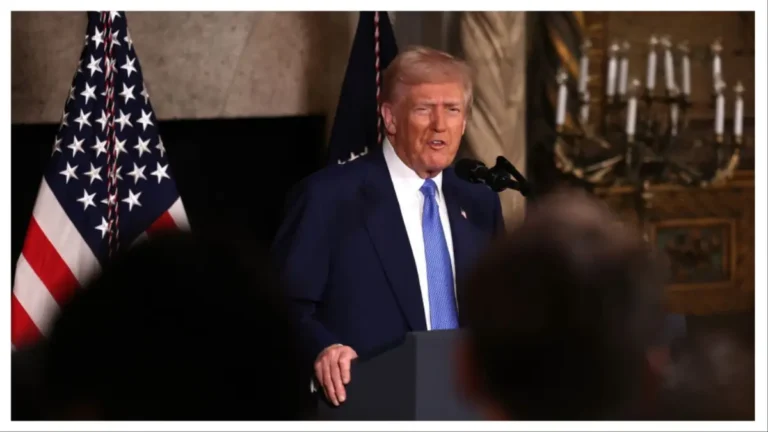
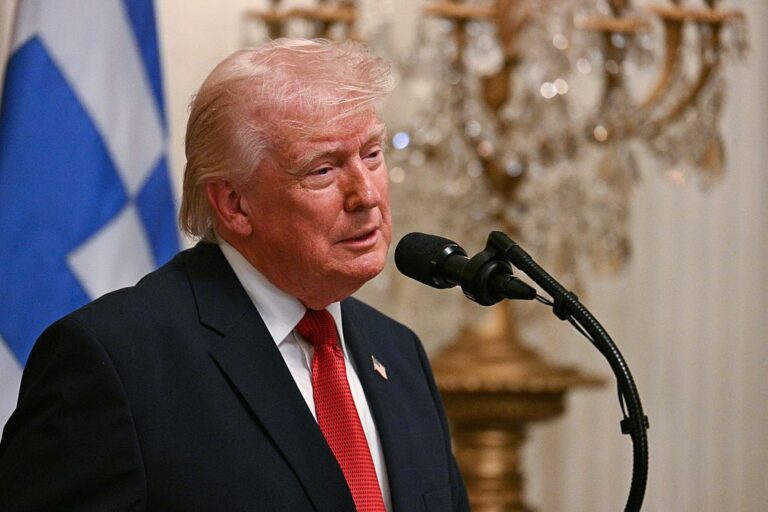
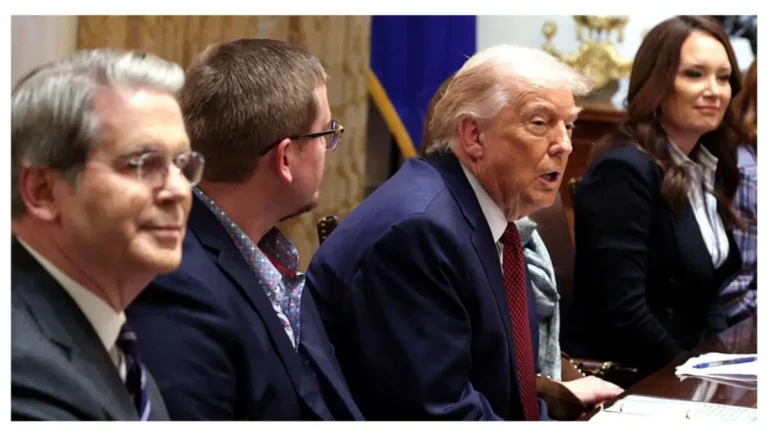
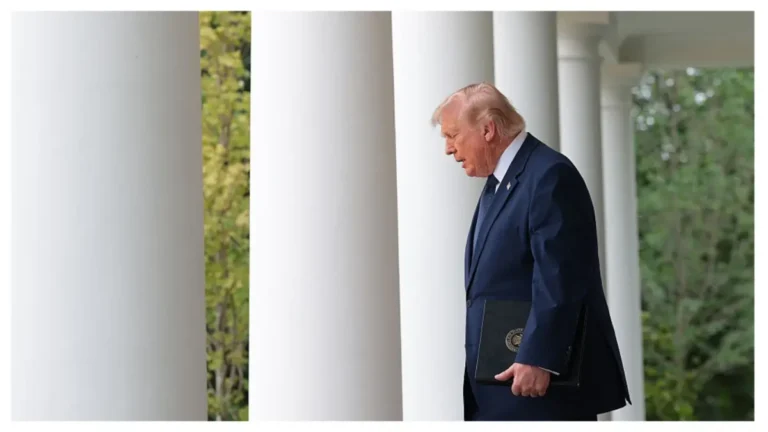
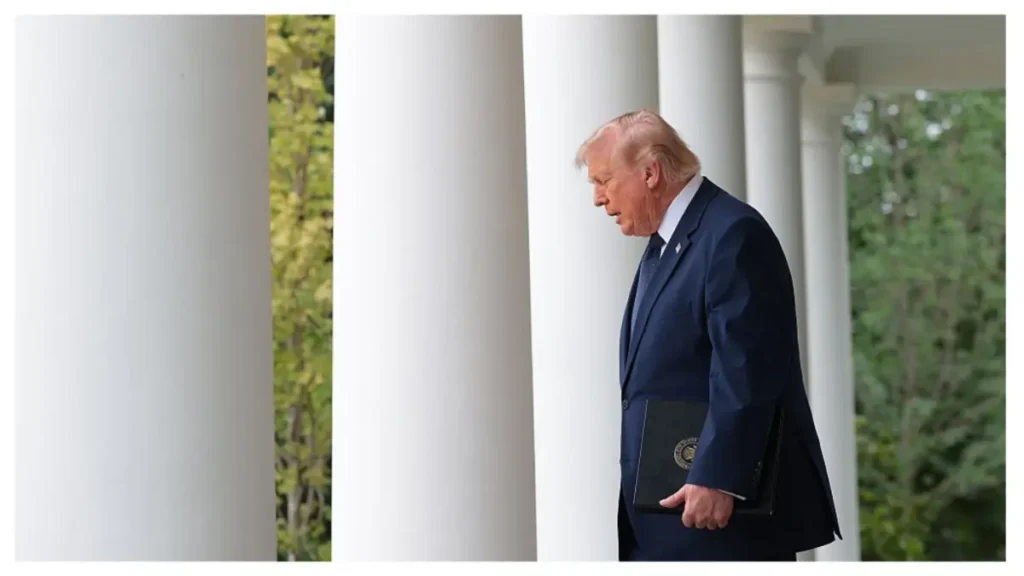
In a recent development that feels like a scene ripped from a political thriller, Donald Trump’s carefully curated image is facing scrutiny as new photographs lay bare the dissonance between his public persona and reality. These images challenge the narrative he has spun around his own health, suggesting that the myth of invulnerability he has pushed throughout his career may be unraveling. As this story unfolds, it’s a stark reminder of how image, especially in the context of politics, can sometimes make the man.
For many, Trump’s image as a robust, larger-than-life figure has been a crucial part of his brand, a brand that has been cultivated over decades. From his reality television days to his ascension in politics, Trump has mastered the art of spectacle, presenting himself as a titan who cannot be defeated. But as these new revelations emerge, it’s becoming clear that this façade may be supported by little more than smoke and mirrors. The public’s appetite for authenticity has never been more pronounced, and the discrepancies between Trump’s physical reality and his projected image are more than just a personal failing; they reflect a broader trend in American politics where perception often outweighs truth.
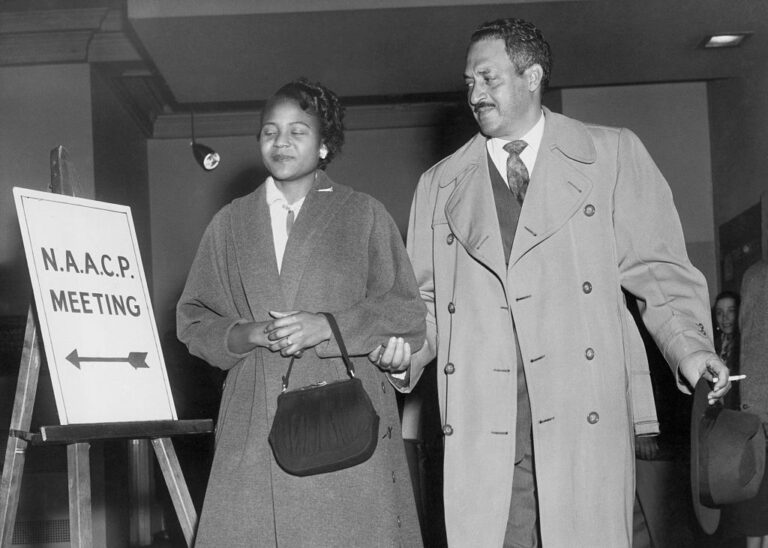
This moment begs us to scrutinize the implications of a leader’s authenticity and health on the culture at large. For Black Americans, the stakes are particularly high. Historically, our community has been subjected to the whims of leaders who often prioritize image over substance. The push for authenticity resonates deeply, especially when we remember figures who fought for civil rights without the luxury of a protective image. Leaders like Malcolm X and Angela Davis embodied a raw, unfiltered truth that contrasted starkly with the polished façades we often see today, reminding us that integrity and vulnerability are sometimes the most radical forms of resistance.
Looking back, the parallels to past political figures come to mind. Think about Richard Nixon during Watergate; the unraveling of his image also reflected a society yearning for transparency in leadership. The shocking moments captured through photographs and media clips revealed a disaffected public, hungry for truth in a sea of deception. Today, as Trump faces critique not only for his political policies but also for the very health that has propped up his bravado, we witness a similar yearning—a desire for leaders who are open about their vulnerabilities rather than hiding behind an illusory wall of strength.
As we keep our eyes on this evolving narrative, it’s essential to remember that the authenticity we crave isn’t just about health; it’s about leadership that stands firm in truth, even when it’s uncomfortable. We should be vigilant about what this means for the future of our political landscape. Will Trump’s slipping grip on his own image galvanize a demand for more genuine leadership from those who follow? As the public continues to question the reliability of the narratives spun by leaders, the real challenge becomes finding candidates who are willing to embrace their humanity. We should be prepared for a shift, as the demand for authenticity in political spaces becomes less of a luxury and more of a necessity.
About The Author