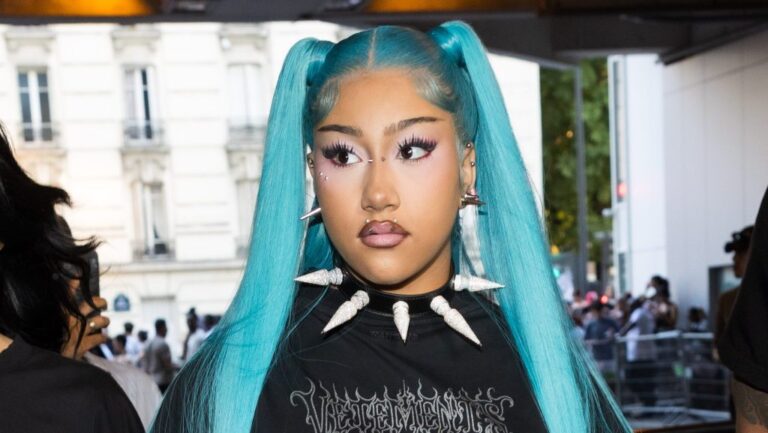
By Simone Walker, PowerVault Staff
Picture this: the glitz and glam of high-end social media lifestyle, where influencers flaunt a seemingly endless cycle of luxury brands, designer threads, and jet-set lifestyles. But sometimes, the reality behind those perfectly curated feeds is anything but glamorous. Enter Mia Ventura, an influencer whose life reads like a plot twist straight out of a hip-hop track gone awry. The news of Ventura cutting off her ankle monitor and getting busted for allegedly stealing luxury bags and Rolex watches isn’t just another headline; it’s a reflection of deeper issues within our culture.
Mia Ventura’s story is one that blurs the lines between aspiration and desperation. While social media can make anyone a star overnight, it can also create pressures that are difficult to manage. For Ventura, life in the fast lane seems to have taken a sharp detour. The influencer was already under scrutiny but ditching her ankle monitor and facing fresh theft charges could now land her with up to 11 years behind bars. We’ve seen public figures face legal troubles before, but Ventura’s escapades force us to question the cost of chasing clout.
Hip-hop culture has always been about the hustle. It’s a genre born out of struggle and ambition, a voice for the voiceless. But what happens when the quest for success morphs into schemes and shortcuts? Ventura’s actions echo the narrative of hustlers who risk it all, not unlike the stories told in iconic tracks that glamorize the come-up. It’s a reminder of how close the world of make-believe can come to shaping real-life decisions, often with dire consequences.
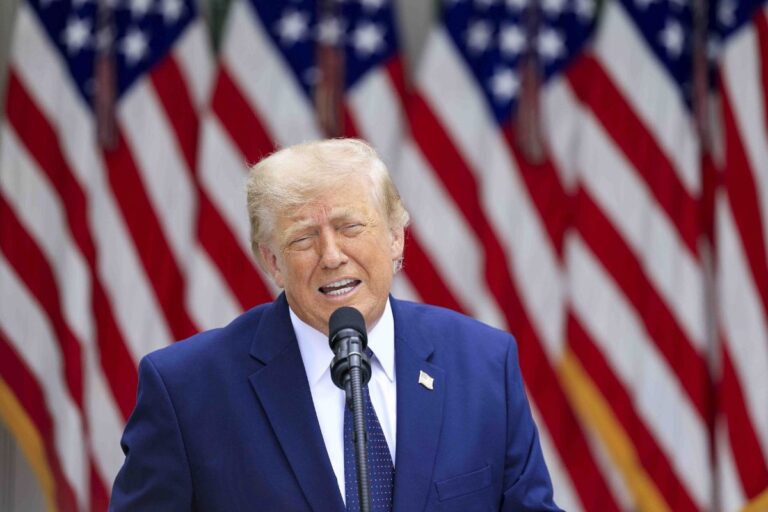
The allure of luxury is nothing new. Even figures like Donald Trump have made headlines for their obsession with high-end brands, shaping public perception along the way. In hip-hop, it’s commonplace to see artists flaunting their wealth, turning jewelry and cars into symbols of success. But while the culture celebrates these milestones, they sometimes fuel a dangerous cycle of materialism. It’s this very obsession that might have led Ventura down a path of alleged theft, attempting to keep up appearances at all costs.
This incident also raises questions about authenticity in the influencer space. How many follow the script for likes, views, and followers, while living a starkly different reality? Ventura’s case is a wake-up call for both influencers and their audiences. It challenges the facade of perfection often portrayed online and reminds us of the importance of genuine hustle over hollow pursuits.
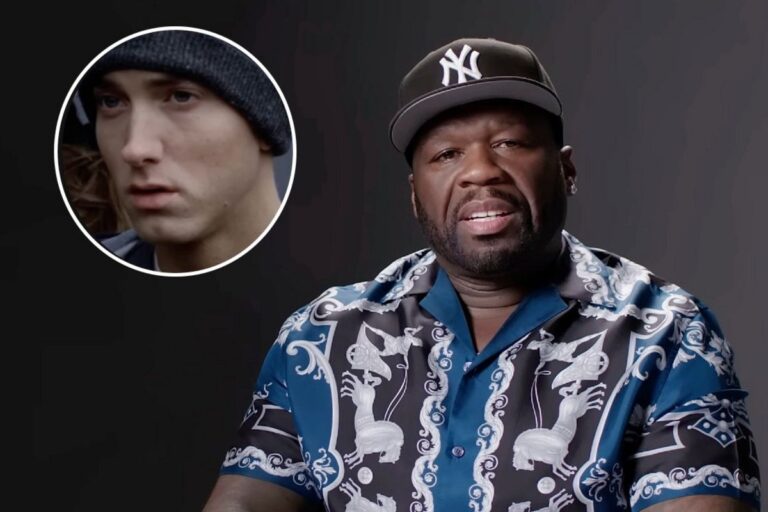
Historically, hip-hop has seen its share of legal battles and controversies. From infamous beefs like the one between Memphis Bleek and Uncle Murda to high-profile arrests, the culture is no stranger to scandal. However, each incident brings to light new aspects of the challenges faced by those in the spotlight. Ventura’s story might not be as high-profile as some of the biggest beefs in hip-hop, but it carries its own weight by highlighting the pitfalls of living a double life.
Looking forward, the culture needs to have conversations about the true cost of fame and the pressures that come with it. Platforms like PowerVault need to continue shining a light on these issues, challenging the next generation to stay true to their roots while navigating the seductive world of social media. As we watch Ventura’s legal saga unfold, let’s also keep an eye on how the industry supports influencers in making better choices – choices that don’t involve cutting off ankle monitors and risking everything for a fleeting moment of glory.
The story of Mia Ventura is one for the books and serves as a cautionary tale about the pressures of maintaining an image in a world obsessed with material success. As the community reflects on these events, it’s crucial to ask what really matters. Is it the luxury goods and social media fame, or is it the authenticity and integrity that hold true value? Ventura’s situation might just be the spark needed to ignite a deeper conversation about what we stand for in hip-hop and beyond.
About The Author