By Malik Carter, PowerVault Staff
The first time a Marvin Gaye record drops, something magical happens. The grooves in the vinyl spin history into the air, and the room transforms into a tapestry of legacy, love, and struggle. Soul music isn’t just sound; it’s spirit. It’s the heartbeat of Black America, a cultural backbone that has carried generations from the fight for civil rights to the present-day stage of hip-hop and R&B. But what is it about soul music that makes it the secret sauce of Black culture?
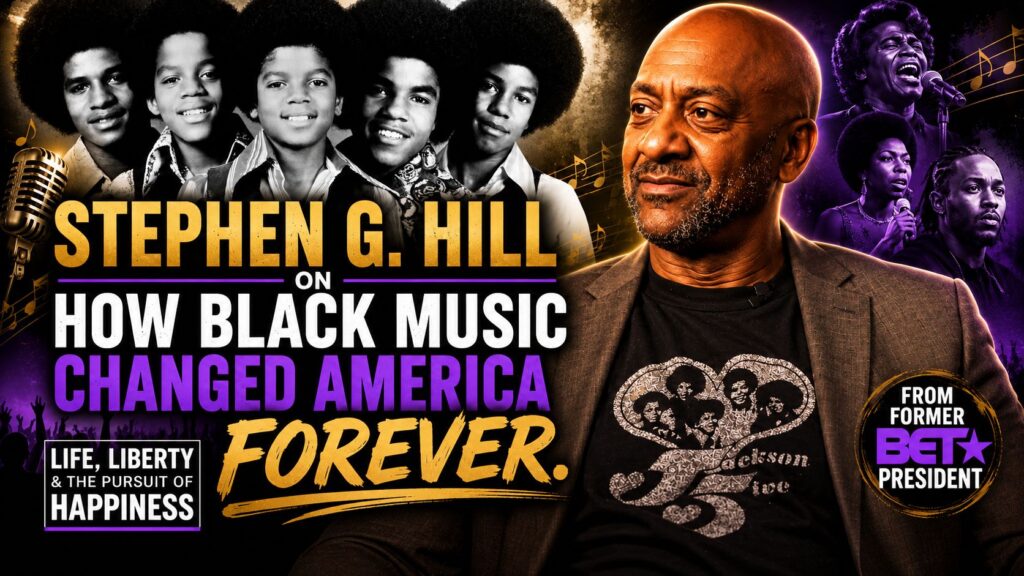
Stephen Hill, a man whose name is synonymous with elevating Black music, recently shared his insights during NewsOne’s celebration of Black Music Month. Hill reminds us that soul music is not just about the notes or the chords; it’s about the human experience wrapped in melody. This genre has been the soundtrack for movements and the backdrop for revolutions, serving as a mirror reflecting both the triumphs and trials of Black life in America.
In the realm of Black music, soul stands out because it communicates on a level that transcends language. When Aretha Franklin belted out ‘Respect,’ she wasn’t just demanding it through lyrics; she was claiming it with every fiber of her being. This wasn’t just a song—it was a declaration. The cultural context of soul music goes beyond entertainment. It’s been a tool for change, a cry for justice, and a call to arms against oppression. Each note carries with it the weight of history and the promise of a brighter future.
Why does this matter today? Well, in a world where genres are constantly evolving, the essence of soul music continues to influence new generations of artists. Look at the rise of artists like Miles Minnick, whose shine in the XXL Freshman class is a beacon for what the future of hip-hop might hold. The soul of music, much like the legacy of our ancestors, is a living, breathing entity that shapes and molds the cultural landscape of newcomers in the game.
Historically speaking, soul music has always been intertwined with social change. From the gospel roots that birthed it to the civil rights anthems it inspired, soul was at the forefront of cultural evolution. Think back to the 1960s and 1970s when artists like James Brown and Curtis Mayfield turned their platforms into vehicles for social commentary. Their music was more than just hits; it was a soundtrack to change.
In modern times, that torch is being carried forward. We see it in the work of artists who weave social justice into their music, echoing the past while forging new paths. This isn’t just about nostalgia; it’s about understanding where we came from to better navigate where we’re going. The new wave of artists, like YKNiece, are building on this legacy, crafting sounds that resonate with the same soulfulness that defined their predecessors. They understand that keeping this spirit alive is essential.
As we look to the future, the importance of recognizing and preserving the essence of soul music cannot be overstated. The influence of this genre continues to ripple across continents, inspiring new cultural movements. The global pulse of music is shifting, and places like Italy are shaping hip-hop’s next chapter, proving that the soul of Black music has a voice that resonates worldwide.
So, what does the future hold for soul music? As long as there are stories to tell and emotions to express, soul will remain a vibrant thread in the fabric of Black culture. It’s not just about the past or even the present. It’s about ensuring that the music that has empowered and uplifted for decades continues to do so. Our task is to keep listening, keep creating, and keep pushing the boundaries of what soul music can achieve.
Ultimately, the conversation around the sauce of soul music is not just a retrospective one. It’s about looking ahead, understanding the changing dynamics, and nurturing the next generation of artists who will continue to use music as a form of resistance, love, and empowerment. Soul music is not just our past; it’s our future.
About The Author