By Renee Fontaine, PowerVault Staff
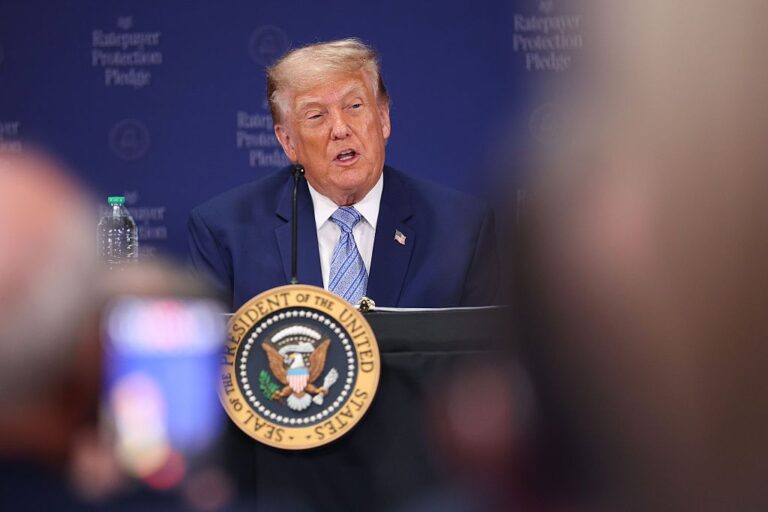
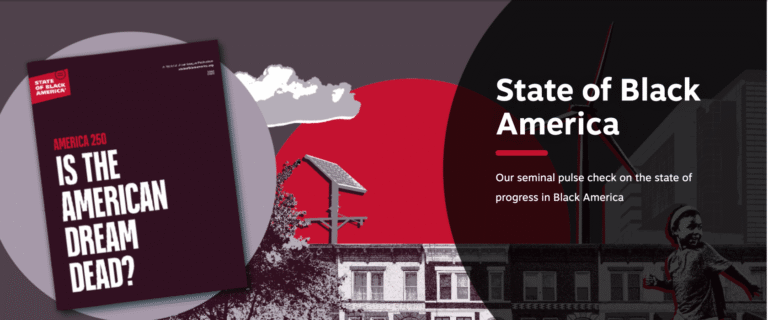
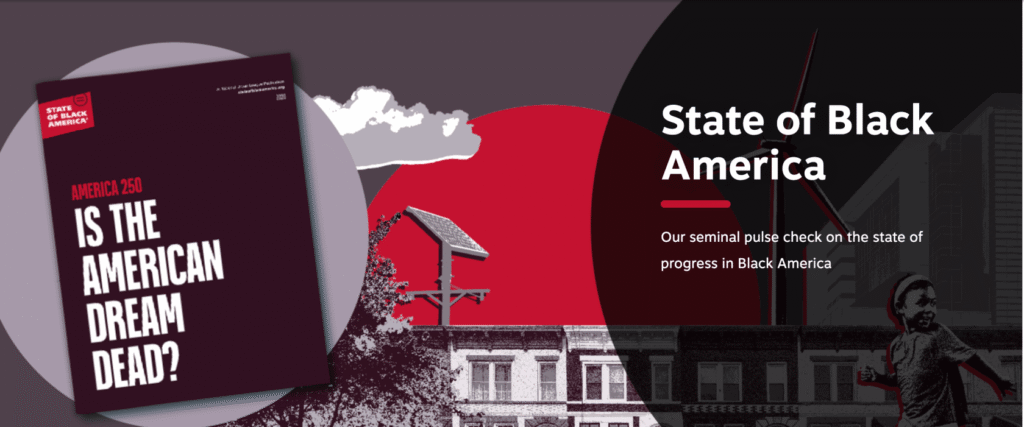
The beats of change are often drowned out by the noise of political maneuvering, but the rhythm of reality keeps pulsing through. The latest report by the National Urban League doesn’t mince words about the economic hurdles faced by Black Americans under the Trump administration. It’s a narrative that paints a stark picture of policies as roadblocks, the kind that leave many in our community feeling like they’re spitting bars in a cipher, only to be ignored by the audience meant to listen.
The Urban League’s “State of Black America” report candidly addresses how the Trump administration’s persistent attacks on Diversity, Equity, and Inclusion (DEI) initiatives have thrown a wrench into the economic aspirations of Black people. DEI, for many, is more than just a corporate buzzword—it’s a lifeline. It’s a framework that aims to level the playing field, offering equal opportunities where systemic racism has long held sway. So when policy makers go after DEI with a bulldozer, it’s not just an attack on a principle, it’s an attack on progress itself.
This isn’t the first time we’ve seen policy decisions translate into struggles for our community. It’s reminiscent of past administrations where the rhetoric promised more than it delivered. Hip-hop has long been a mirror reflecting these societal struggles. Think about Public Enemy’s “Fight the Power”. What was it if not a rallying cry against the very systems that these reports highlight as problematic?
Let’s talk about the real-world impact here. The dismantling of DEI initiatives doesn’t just affect job numbers; it impacts mental health, generational wealth, and community wellness. When opportunities shrink, dreams become deferred. And we all know, as Langston Hughes taught us, a dream deferred is a dangerous thing.
This report lands amid a cultural moment where Black voices in media, sports, and entertainment are more prominent but are continuously fighting for recognition and equity. Consider North West’s recent tour cancellation which sparked conversations about the pressures young Black artists face. Or GloRilla’s viral birthday photo dump that captured the joy and complexity of Black existence. These instances show that while we celebrate our culture, we’re still navigating a world where systemic barriers persist.
But let’s not get it twisted. The fight isn’t over. The spirit of resilience is embedded within Black culture and history. The community has always been about turning adversity into art, challenges into change. From the streets of Compton to the boardrooms of Fortune 500 companies, Black excellence continues to rise. This Urban League report isn’t just a callout; it’s a call to action.
So what’s next? The key lies in coalition building and advocacy. Hip-hop and Black culture have historically been about building bridges and creating platforms that speak truth to power. We need to harness this energy, demanding accountability and pushing for policies that reflect the diverse tapestry of this nation. With the 2024 elections looming, it’s crucial that the community voices are not just heard but amplified.
We can’t predict the future, but we can prepare for it. As we keep a close eye on policy changes and hold those in power accountable, it’s essential to remain educated and engaged. Keep asking questions. Keep demanding answers. Whether through art, activism, or education, let’s ensure the rhythm of our progress isn’t drowned out by political noise. The stakes are too high and the time is now.
About The Author