By DeShawn Price, PowerVault Staff
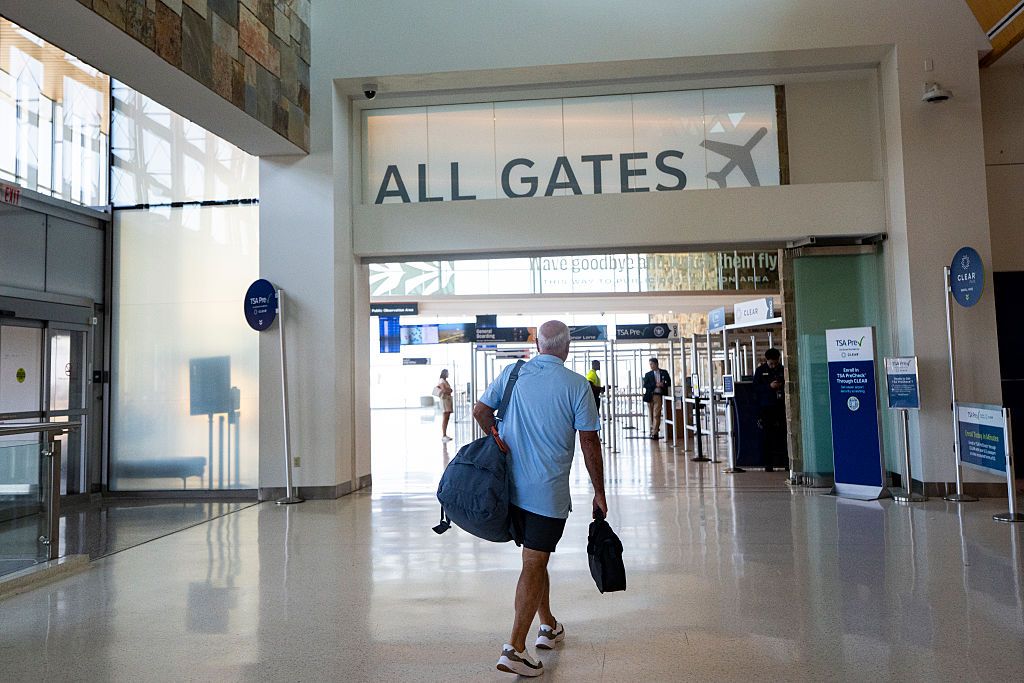
Three U.S. airports have decided to shake things up by opting into the Gold+ program, a venture that hands over the reins of security screenings to private firms. This move is meant to streamline the passenger experience, allowing for more customized services and potentially shorter lines. Yet, this shift raises some significant questions about safety, accountability, and, importantly, equity in an industry that has often treated marginalized communities with suspicion.
To understand this change, we have to look back at the post-9/11 landscape. The Transportation Security Administration (TSA) was established as a direct response to the attacks, aiming to enhance safety in air travel through a uniform federal approach. For years, the TSA has been synonymous with long lines and intrusive checks. Many travelers—especially those from Black and other marginalized backgrounds—have faced heightened scrutiny, reinforcing negative stereotypes that have little basis in reality. The Gold+ program, although voluntary, represents a significant departure from this status quo, inviting private firms into a space long dominated by government oversight.
But let’s be real: while privatization may sound appealing, it’s crucial to scrutinize who benefits from these changes. The core issue isn’t simply about efficiency; it’s about security and equity. When private companies take over, there’s an inherent risk that profit motives will overshadow the very safety and fairness principles the TSA was created to uphold. In an industry where Black travelers have historically been profiled and treated with suspicion, the stakes couldn’t be higher. If these private firms prioritize speed and profit over comprehensive training and equitable treatment, we could see a repeat of past injustices under a shiny new banner.
This trend isn’t isolated; it echoes previous moments where privatization attempted to solve systemic issues without addressing the underpinning inequalities. Think back to the late 90s and early 2000s when the movement to privatize schools gained traction. The promise was better education, yet many charter schools have struggled to deliver equitable resources and access for communities of color. Just like education, airport security impacts our travel experiences, but it also reflects broader societal attitudes toward race and security. The narrative simply cannot ignore the history of mistrust between the system and the people it’s meant to protect.
As we look ahead, it’s essential to keep an eye on how these changes will unfold. Will these private firms implement rigorous anti-bias training? How will they ensure that their practices do not continue the cycle of discrimination? The Gold+ program could either pave the way for a more responsive security approach or lead us down a darker path of privatized prejudice. For our communities, engagement and advocacy are vital. We must hold these companies accountable and demand that they not only prioritize safety but also transparency and fairness. As the landscape of airport security evolves, so too must our vigilance in ensuring that our rights are protected.
About The Author