By Renee Fontaine, PowerVault Staff
Picture this: a dimly lit room, the repetitive thump of a bassline reverberating through the speakers, and a crowd vibing to a beat that feels both nostalgic and fresh. This is the magic that The Showboys brought to the world of hip-hop. Their beat, sampled in countless tracks, is a cornerstone of the culture. So when Shreveport decided to honor Orville Hall and Phillip Price, the masterminds behind The Showboys, it wasn’t just a nod to their contribution; it was a celebration of hip-hop history itself.
For those in the know, The Showboys’ influence resonates deeply. If you dig into the archives of hip-hop’s golden tracks, you’ll find their fingerprints on many. The beat from their track “Drag Rap (Triggerman)” is a staple in the genre, looping through some of the most iconic tracks from artists who have shaped the sound of our generation. It’s a testament to the enduring power of rhythm and creativity.
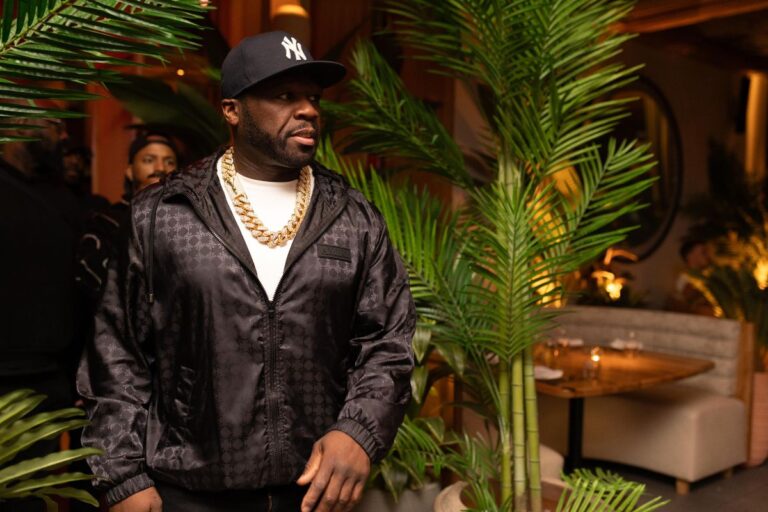
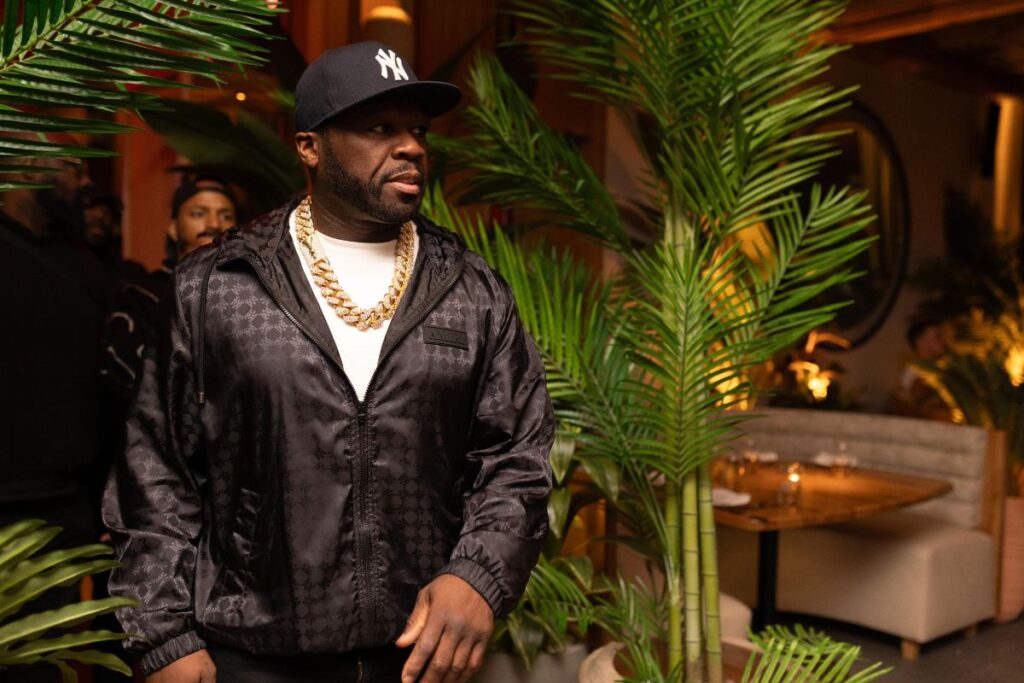
Now, let’s talk about another heavyweight: 50 Cent. His journey from the streets of Queens to global success is a story that’s been told many times, but it’s far from over. His business acumen rivals his lyrical prowess, and he’s been steadily building an empire. The recent developments in Shreveport might just play a pivotal role in stabilizing a new venture for 50’s enterprise.
Behind the scenes, Orville Hall has been instrumental in building 50 Cent’s empire. Hall’s dual role as a creator and a strategic mind in business sheds light on how interconnected the world of hip-hop is. It’s not just about music; it’s about creating opportunities, mapping the future, and setting the stage for the next generation.
Honor and recognition in hip-hop aren’t just about giving flowers to those still alive; it’s about acknowledging the pillars of the culture. The Showboys getting recognized for their impact is a significant moment, highlighting how essential it is to preserve the roots of hip-hop while moving forward. This gesture by Shreveport signals more than just an award; it’s a message to the industry to respect the past as we create the future.
This isn’t the first time we’ve seen communities rally behind their local heroes in hip-hop. Remember when the Bronx, the birthplace of hip-hop, honored its legends like DJ Kool Herc with street names? It’s a similar vibe. These are more than geographical markers; they’re cultural markers that remind us of the origins and the longevity of hip-hop.
But this story is more than just about music. It’s about the intertwining of culture, business, and recognition. It parallels the broader theme in hip-hop where the culture is increasingly pushing boundaries. Take, for instance, the way Lil’ Kim and her daughter Royal Reign have expanded their influence beyond music into fashion. These moves are crucial as they spotlight how Black excellence and culture continue to shape and evolve in the public eye.
The involvement of Orville Hall in both The Showboys’ legacy and 50 Cent’s empire-building showcases the multidimensional talent present in hip-hop. It’s a reminder that the industry is not just about performers but also about the visionaries behind the scenes who drive innovation and stability in unpredictable times.
Looking forward, what does this mean for hip-hop? For one, it reinforces the importance of acknowledging the architects of the genre. It encourages a new wave of artists and producers to dive into the roots and understand the influence of foundational beats and rhythms. Moreover, this recognition might pave the way for more collaborations and ventures within the hip-hop community that honor and invest in cultural legacies.
The story of The Showboys and 50 Cent is a testament to the enduring power of hip-hop as a cultural force. As we celebrate these moments, the message is clear: to innovate and push forward, one must never forget where it all started. This is what hip-hop is all about—honoring the past, influencing the present, and shaping the future.
So, keep an eye on what’s next for Shreveport, The Showboys, and 50 Cent’s empire. Their journey is a reminder that in hip-hop, the beat goes on, and the story never truly ends. As the culture continues to evolve, moments like these highlight the resilience and creativity that define hip-hop and ensure its continued relevance in the world.
About The Author