By DeShawn Price, PowerVault Staff
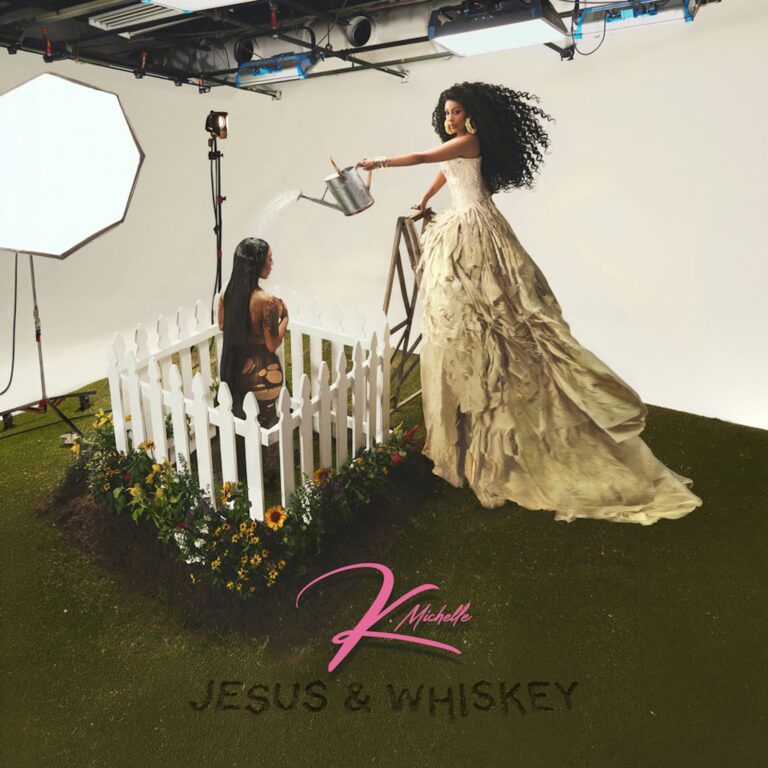
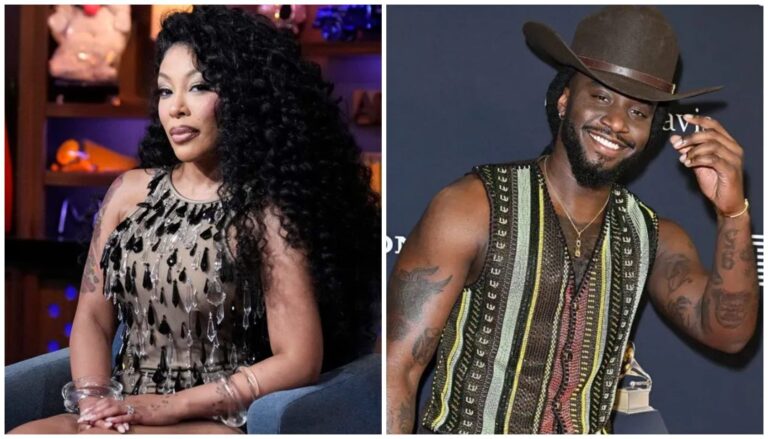
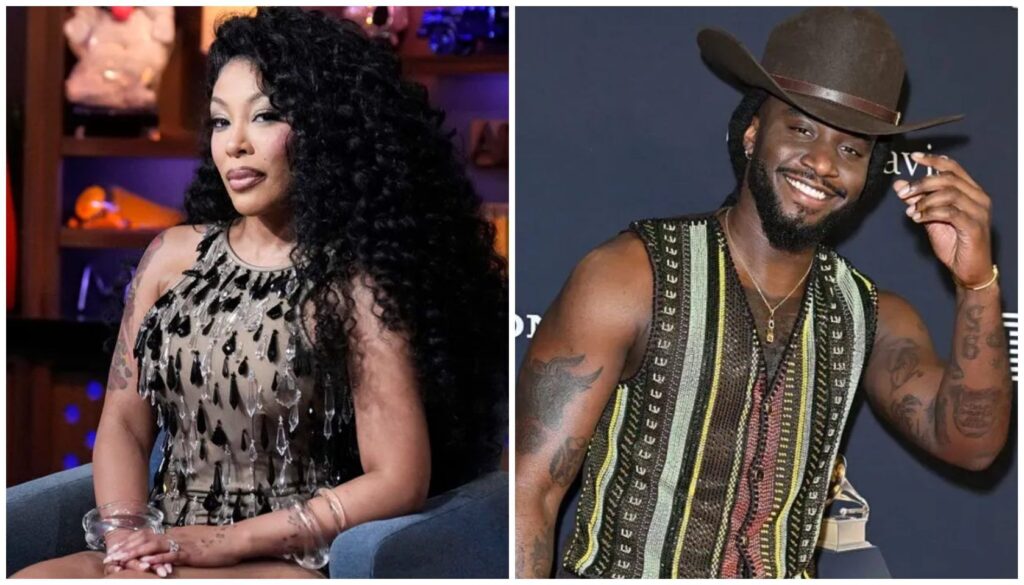
K. Michelle has never been one to mince words, and when she feels slighted, she’s got no problem letting the world know. Her most recent target? Rising artist Shaboozey. In a candid moment on ‘The Breakfast Club,’ K. Michelle didn’t hold back as she called out Shaboozey for allegedly ghosting her after she requested a feature. But it was more than just the professional snub that got her heated—she went so far as to suggest that Shaboozey’s actions might reflect a deeper issue, claiming he ‘doesn’t like Black women.’ That’s a heavy allegation in any context, especially in an industry that already grapples with equity and representation issues.
The music scene, particularly hip-hop, has long been a battleground of public beefs and personal grievances aired out for the world to see. This isn’t the first time we’ve seen artists airing dirty laundry in public. Think back to the days when Jay-Z and Nas traded lyrical shots, or when 50 Cent seemed to have a feud with just about everyone. But in K. Michelle’s case, the stakes feel different. Her comments touch on sensitive cultural issues, ones that resonate deeply within the Black community.
The claim that a Black artist might harbor anti-Black sentiments, particularly against Black women, hits a nerve. Hip-hop has been criticized for its treatment and portrayal of women, and there’s an ongoing dialogue about how Black women are often the backbone of the culture yet frequently sidelined or disrespected. K. Michelle’s comments feed into that broader narrative, sparking a conversation that goes beyond the music and into the heart of societal issues.
Now, whether Shaboozey intended any disrespect is another question. Artists, especially those on the rise, often find themselves overwhelmed with requests and obligations. It’s entirely possible that this was a misunderstanding, a missed message amid the chaos that is an artist’s life. But K. Michelle’s reaction is a reminder of how personal and emotional these industry interactions can become, especially when identity and representation are at play.
In the wake of this public call-out, fans and industry insiders alike are left to ponder the implications. Shaboozey, who’s known for his work on tracks like ‘Tipsy,’ will likely feel pressure to address these accusations, either to clarify his side of the story or to offer some form of reconciliation. The ball, as they say, is in his court. But as history has shown, the hip-hop community loves a comeback story, and there’s still room for this situation to find resolution.
This dynamic between established artists like K. Michelle and emerging voices such as Shaboozey speaks to a larger theme in the music industry: the push and pull of collaboration versus competition. In a culture that thrives on collaboration and mutual upliftment, moments like these remind everyone of the importance of communication and respect. It’s a lesson as old as the genre itself, one that’s been seen time and again, whether it’s in the realm of feature requests or live performances, like when Kelly Rowland stopped her Chicago show.
K. Michelle’s bold claims also serve as a rallying cry for fans and artists to reflect on the systemic issues that persist within the industry. There’s a call to action here, an opportunity for the culture to examine how it treats its own, particularly the women who are so often its most ardent supporters and most passionate voices. This isn’t just about one artist’s perceived snub; it’s about a pattern of behavior that the community has the power to change.
As fans await Shaboozey’s response, whether it comes in the form of a social media post, an interview, or even a new track, the conversation around this incident will likely continue to evolve. It’s a moment that could redefine both artists’ trajectories if handled thoughtfully. For K. Michelle, who has never shied away from speaking her truth, this might be another notch in her belt as a truth-teller in the industry.
Looking ahead, there’s potential for growth and understanding if Shaboozey chooses to address the situation directly. The industry thrives on second chances and reinvention, and this might just be a pivotal moment for him to demonstrate a commitment to inclusivity and allyship. In the meantime, it’s essential for fans to keep the dialogue alive, to question, and to demand better for the culture they love. After all, it’s these conversations that shape the future of hip-hop and ensure that it remains a space where everyone feels seen and heard.
About The Author