By Marcus Ellison, PowerVault Staff
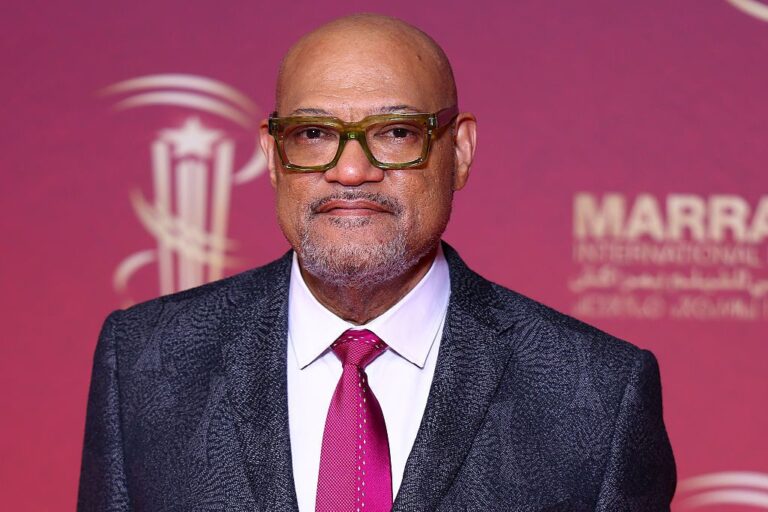
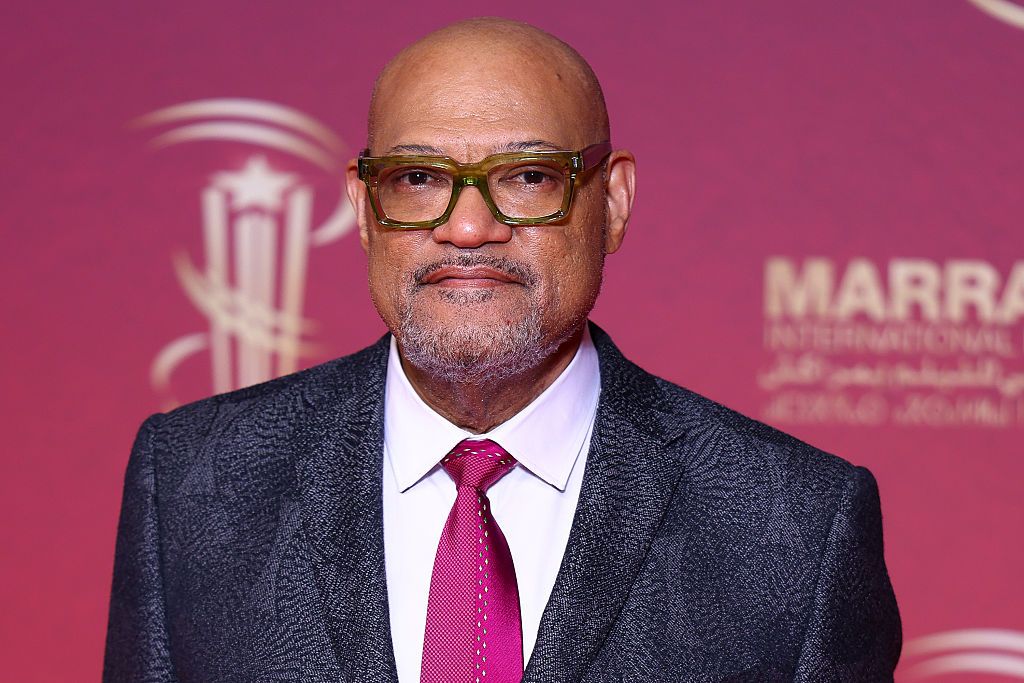
Picture this: a dimly lit room, a sleek pair of sunglasses, and the enigmatic voice of Morpheus introducing Neo to the reality of The Matrix. That scene alone is etched into the annals of pop culture, but it’s just one chapter in the incredible journey of Laurence Fishburne. For over 50 years, Fishburne has been the stalwart force in Hollywood, embodying roles that are both iconic and transformative, not just for his characters but for Black cinema as a whole.
Laurence Fishburne isn’t just an actor; he’s a bridge between generations. From the commanding presence of Morpheus in ‘The Matrix’ to the heartfelt portrayal of Furious Styles in ‘Boyz n the Hood,’ Fishburne has consistently delivered performances that resonate with the audience. His ability to switch between genres, to dive deep into the psyche of his characters, and to bring authenticity and gravitas to every role, underscores why he remains an enduring figure in the industry.
In ‘The Black Watch,’ Fishburne’s filmography is celebrated as a testament to the versatility and depth that he brings to the screen. The man who once started as a young soldier in ‘Apocalypse Now’ has matured into a cinematic legend. His portrayal of Ike Turner in ‘What’s Love Got to Do with It’ was a masterclass in embodying complexity, evoking both revulsion and sympathy from audiences worldwide. This role, among others, opened up conversations about domestic abuse, shedding light on issues that were often brushed under the carpet.
What makes Fishburne’s career even more significant is how his characters often reflect broader narratives within Black culture. Furious Styles wasn’t just a father in ‘Boyz n the Hood’; he was a symbol of wisdom and guidance against the backdrop of systemic challenges faced by Black communities. His teachings on gentrification and self-empowerment echoed real-life conversations that were happening in neighborhoods across America. Just like Medgar Evers’ impactful yet often overlooked contributions, Fishburne’s roles remind us of the power of storytelling in shaping and reflecting cultural dialogues.
Fishburne’s choices in roles also mirror the evolution of Black cinema over the decades. While earlier films often pigeonholed Black actors into certain stereotypes, Fishburne broke these molds, demanding depth and dignity in his portrayals. This evolution parallels the rise of hip-hop, where artists like 21 Savage redefine narratives and expand boundaries, bringing raw, unfiltered stories to the limelight. Much like how pivotal hip-hop albums achieve diamond certification, Fishburne’s filmography represents milestones in cinematic history.
It’s also worth noting Fishburne’s influence beyond the big screen. His voice and perspective on social issues have often mirrored the sentiments of the Black community. Whether it’s advocating for equal representation in Hollywood or speaking out about socio-political issues, Fishburne stands as a respected figure whose voice carries weight. This is reminiscent of other cultural icons who have used their platforms to demand change and recognition, such as the relentless pursuit for justice and accountability, akin to the 2026 March on Washington for defending voting rights.
As we look at the trajectory of Fishburne’s career, one can’t help but wonder what the future holds. He has set a high bar, not just through his acting but through the stories he chooses to be a part of and the truths he insists on telling. With new projects on the horizon and an industry increasingly aware of the need for diversity and authenticity, Fishburne’s methodology offers a blueprint for both established actors and aspiring newcomers.
In the grand scheme of things, Laurence Fishburne isn’t just a name in a film credit; he’s a pioneer who continuously shapes Black cinema’s landscape. As younger generations draw inspiration from his work, his legacy serves as a reminder of the power of representation and the importance of telling our stories. So the next time Morpheus offers you a choice between the red or the blue pill, remember that it’s not just a metaphor for questioning reality; it’s a call to engage with the narratives that define who we are and who we aspire to become.
About The Author