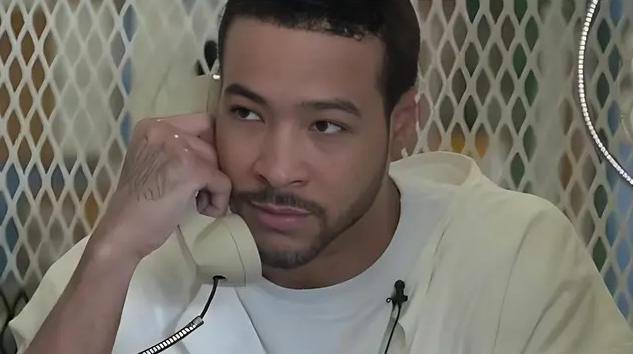
On April 30, 2026, James G. Broadnax was executed in Texas, his death marking a controversial chapter in the ongoing discourse about the intersection of art and justice. After spending nearly two decades on death row, Broadnax’s case has reignited fierce debates over the use of rap lyrics as incriminating evidence in courtrooms across America. Initially convicted by a predominantly white jury for robbery and double murder in 2009, Broadnax’s legal team argued that the removal of all Black candidates from the jury pool undermined his right to a fair trial, raising serious questions about racial discrimination in the judicial process.
Broadnax’s case is emblematic of a larger trend where law enforcement and prosecutors have increasingly turned to the lyrics of rap artists as supposed confessions of guilt. Critics point out that these lyrics, often steeped in metaphor and artistic expression, can be misinterpreted and weaponized against Black artists, reinforcing harmful stereotypes. The chilling implication is that the very essence of hip-hop—its raw storytelling and commentary on societal issues—can become a double-edged sword in the courtroom, where nuance is frequently lost in the pursuit of conviction.
As Broadnax’s story fades into the annals of Texas history, it serves as a potent reminder of the exhilarating yet perilous nature of rap as an artistic form. For many artists, their lyrics encapsulate the struggles and triumphs of their communities, a reflection of life’s complexities rather than straightforward confessions of criminality. The courtroom’s acceptance of such evidence raises alarms about the implications for freedom of expression, particularly in a genre deeply rooted in the Black experience.
This tragic turn in Broadnax’s life underscores an urgent call for reform in how rap lyrics are perceived in legal contexts. There is an undeniable need for a paradigm shift that honors the art form while protecting the rights of artists—especially those from marginalized communities. The hope is that Broadnax’s story will inspire discussions that lead to more equitable practices in the justice system, where art is celebrated, rather than condemned, and where the scales of justice are balanced not just by law, but by understanding and empathy.
As we navigate this complex landscape, the death of James G. Broadnax should serve as a dire warning. If we allow judicial systems to utilize cultural expressions against artists, we risk erasing not only individual voices but an entire genre that has powerfully shaped American culture and identity. The fight for justice continues, and it is crucial that we engage in conversations that challenge the status quo and protect the narratives that define us.
About The Author