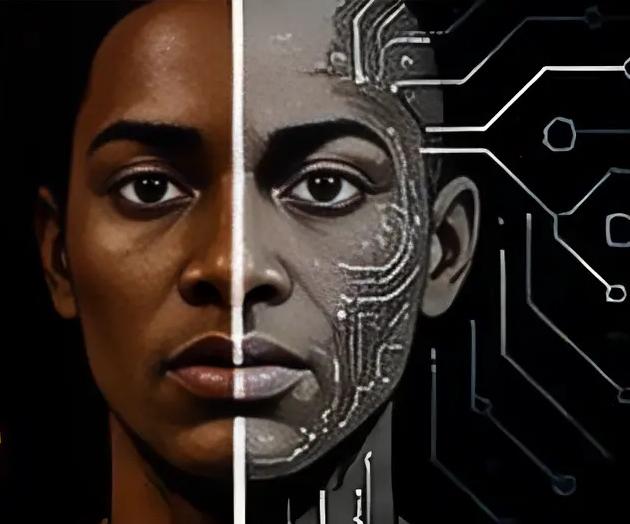
Artificial Intelligence is not the devil. Let us begin there. AI is not some evil machine sent to destroy humanity, nor is it a mysterious force beyond our control. It is, however, another industrial revolution—perhaps the most powerful one since the cotton gin, the steam engine, and the internet itself. In this new era, the implications of technology on Black culture demand our attention, as they often lead to what can be described as tech lynchings and cyber discrimination.
The troubling truth is that as powerful as AI can be for innovation and creative expression, it also holds the potential for systemic bias, reinforcing stereotypes and perpetuating inequalities. For instance, facial recognition technology has been shown to misidentify Black individuals at alarming rates, leading to wrongful accusations and unjust treatment. This is not merely an oversight; it’s a manifestation of how deeply embedded racism can seep into even the most advanced technologies, echoing the historical injustices faced by our communities.
Moreover, the AI algorithms that dictate our digital experiences—from the ads we see to the shows we watch—are often trained on data that lacks diversity and representation. This results in a feedback loop where Black voices remain muted, our stories untold, and our contributions overlooked. It’s a digital landscape that mirrors the systemic barriers we’ve fought against for generations, now rebranded in sleek code and complex algorithms.
The challenge lies not in dismissing AI as purely harmful but in holding accountable those who develop and implement these technologies. We must advocate for inclusivity in tech development and demand that the people creating these algorithms reflect the diversity of the world they aim to serve. If we want to harness the power of AI for good, we have to ensure that it amplifies our voices rather than silencing them even further. As we navigate this cyborg chapter of our collective story, it’s crucial that we engage with technology on our terms, shaping it to uplift rather than discriminate.
In this ongoing revolution, let us not forget that while we may be living in a digital age, the implications of our actions can have very real, human consequences. The narrative around AI is still being written, and it is our duty to ensure it is one that honors our past and propels us toward a future where we are not only included but celebrated.
About The Author