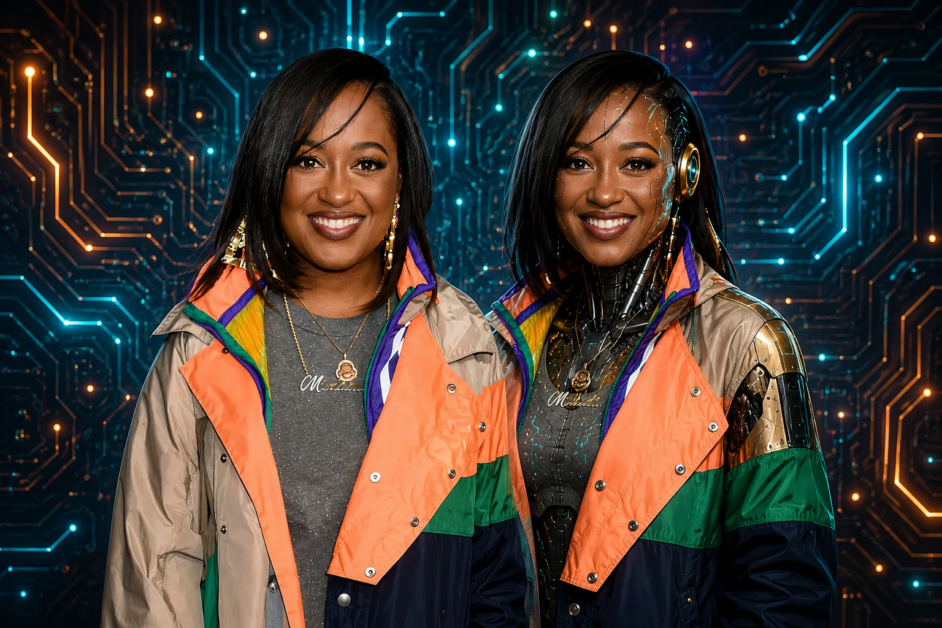
In the ever-evolving landscape of hip hop, Rapsody has always stood tall as a fierce advocate for authenticity and artistry, and her recent remarks regarding AI-generated music have ignited a fiery conversation. As technology continues to intrude into creative spaces, Rapsody called out a new AI tool that attempts to mimic the essence of hip hop—an endeavor that many feel crosses a sacred line. For an artist like Rapsody, who pours her heart and soul into every verse, the idea of a machine trying to replicate the raw emotion and lived experience that define her craft is nothing short of alarming.
The debate surrounding artificial intelligence in music isn’t just about the mechanics of production; it’s about the very soul of the culture. Hip hop was born from the streets, shaped by real stories, struggles, and triumphs. To think that a computer can synthesize this experience, mimicking the flows and cadences that have taken years to hone, is disheartening. Rapsody’s outspoken critique isn’t merely a rejection of technology but a passionate plea for preserving the human element that fuels creativity. She’s reminding us that while technology can enhance our art, it should never replace the genuine voices that have emerged from the community.
Moreover, Rapsody’s challenge to AI-generated music is indicative of a larger trend within the industry. As artists grapple with the proliferation of digital tools, they are forced to ask tough questions about their own authenticity and the future of their craft. Rapsody’s insistence on staying true to her roots serves as a clarion call for artists everywhere: we must safeguard the sanctity of our stories and ensure that our voices remain central to the narrative. The risk of losing that authenticity to machine-generated content is not just a personal issue for Rapsody; it’s a collective concern for the entire hip hop community.
As we watch this battle unfold, it’s essential to understand that Rapsody’s call to action goes beyond her own artistry. It’s about the larger implications of AI in creativity, shedding light on the necessity of dialogue around technology’s role in the future of music. In an era where streams and algorithms often overshadow the artistry, Rapsody’s stance provokes a fundamental question: what does it mean to be an artist in a world increasingly dominated by artificial intelligence? While the machines may be learning our rhythms, the heart of hip hop will always beat to the pulse of its people, and that’s a rhythm that no algorithm can replicate.
About The Author