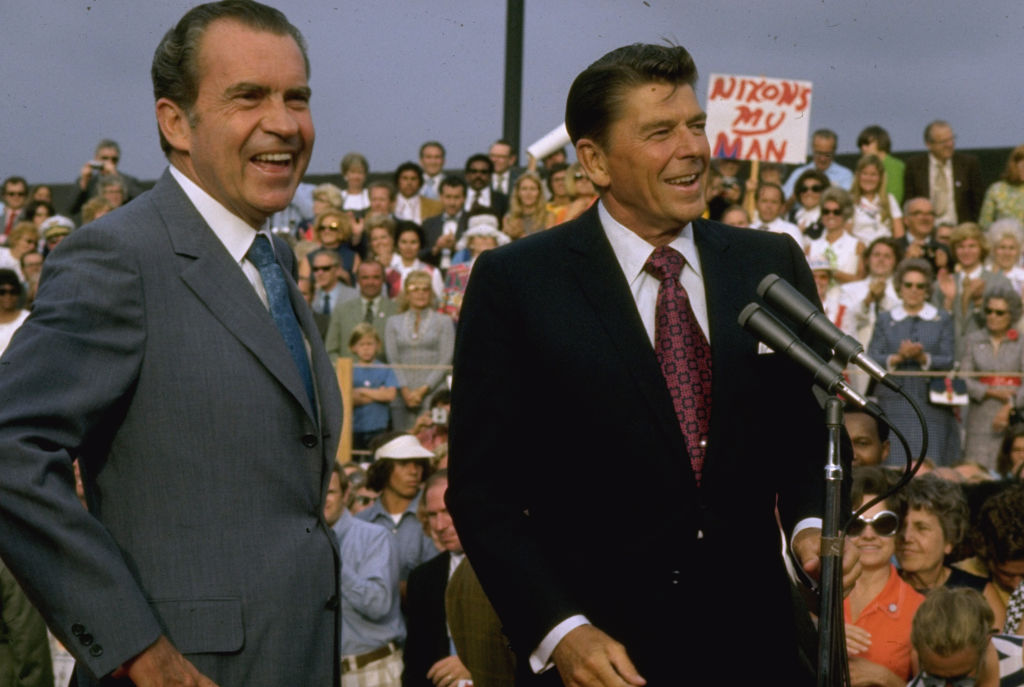
Politicians Ronald Reagan (R) and Richard Nixon campaigning. (Photo by Dirck Halstead/Getty Images)
Throughout history, the American presidency has been a position of immense power and influence, and regrettably, it has been marred by instances of overt racism towards Black people. From the earliest days of the republic, when Thomas Jefferson’s views on race and slavery were deeply intertwined, to the more recent rhetoric of Donald Trump, we can trace a troubling pattern where the highest office in the land has often been a platform for racist ideologies. Jefferson, in his writings, articulated a belief in white superiority while simultaneously owning enslaved Black people, showcasing a profound hypocrisy that would resonate through generations.
Fast forward to the 20th century, and we see Woodrow Wilson’s administration reinstating segregation in federal offices, an action that hurt countless Black workers and laid the groundwork for systemic discrimination. Wilson’s promotion of Jim Crow policies directly contradicted the values of equality and justice that are supposed to underpin this nation. He also held a disturbing admiration for the Ku Klux Klan and depicted Black people as inferior in numerous ways, revealing the extent to which racism was ingrained in the political discourse of his time.
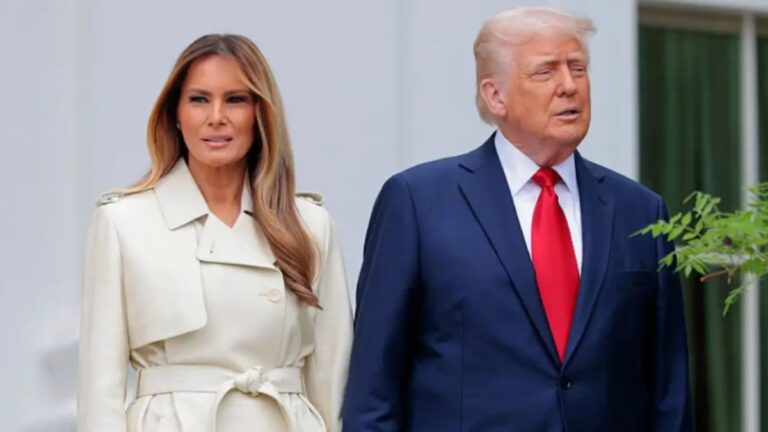
This troubling legacy continued into the late 20th and early 21st centuries. Richard Nixon’s infamous War on Drugs disproportionately targeted Black communities, leading to mass incarceration that has had lasting effects on generations of Black Americans. More recently, Donald Trump’s presidency was characterized by a number of racially charged comments and policies, including his dismissive rhetoric towards Black Lives Matter, coupled with a consistent pattern of divisive statements that many saw as reinforcing systemic racism.
It is crucial to confront these uncomfortable truths about the presidency’s history with racism, as they remind us of the work still needed to be done in achieving genuine equity and justice. The impact of these racist attitudes persists today, shaping policies and societal attitudes that continue to disadvantage Black communities. As we reflect on the actions and words of past presidents, we must commit to holding our leaders accountable and ensuring that the narrative of our nation includes all voices, particularly those that have been historically marginalized.
About The Author