Erica Campbell Responds After Fan Calls Out Mary Mary for Past Rudeness
By Marcus Ellison, PowerVault Staff Picture this: a young fan approaches her idol, hoping for a memorable encounter that will last a lifetime. Instead, she walks away feeling dismissed, her excitement overshadowed by...
By Marcus Ellison, PowerVault Staff
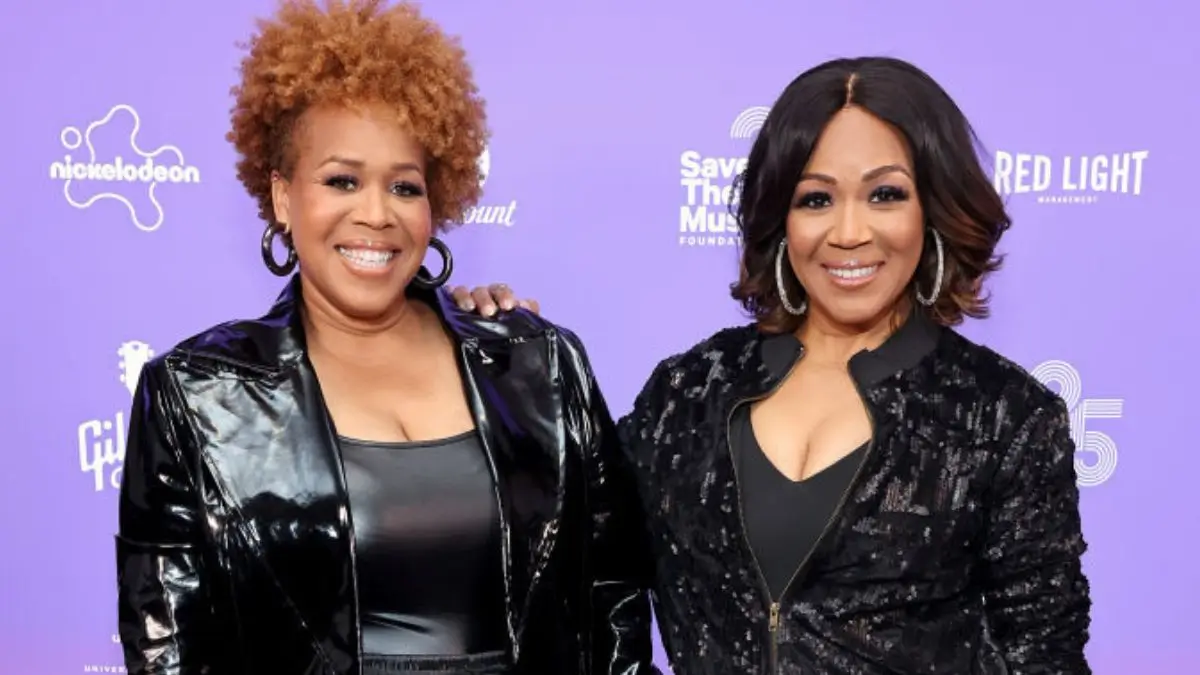
Picture this: a young fan approaches her idol, hoping for a memorable encounter that will last a lifetime. Instead, she walks away feeling dismissed, her excitement overshadowed by a celebrity's indifference. This is the reality that surfaced when Erica Campbell, one half of the gospel duo Mary Mary, found herself in the crosshairs of a 27-year-old grievance recently unearthed by a social media user. It’s a classic tale of nostalgia meeting disappointment, where the gleaming veneer of celebrity often hides uncomfortable truths.
The dust-up began when a man took to Twitter to recount an experience from nearly three decades ago, claiming that Erica and her sister Tina Campbell were rude to him at a concert. In a time when fans are emulating their idols, this accusation struck a chord, compelling Erica to step forth and address the situation. In the spirit of grace, she offered an apology, remarking, “I don’t remember that,” but still acknowledging the impact of that moment on a young fan.
While the apology may have been gracious, it also sparked a conversation about the long-lasting effects of celebrity interactions on fans, particularly in the Black community. This isn’t just about a single instance of rudeness,it's a reflection of how we expect our stars to treat us. When you’re in the limelight, every interaction counts, and a moment of unkindness can resonate long after the incident is forgotten by the celebrity.
Social media has become a powerful platform for fans to voice their experiences, both good and bad. This incident is a reminder that the era of “we don’t air our dirty laundry” is over. Fans now hold celebrities accountable, and with the swipe of a finger, stories of rudeness or unkindness can go viral. It’s a double-edged sword: on one hand, fans gain a voice, while on the other, celebrities may find themselves defending decades-old actions. It’s as though we are demanding not just talent, but also kindness from those we look up to. And given that many fans invest their emotions and money into these artists, it’s no wonder when such grievances arise.
This incident raises questions not only about celebrity accountability but also about the collective responsibility of fans. Are we romanticizing our idols to the point where we overlook their humanity? What if we, too, have had unkind moments that could be shared? As much as we love our faves, they're not infallible,the pressure of fame can lead even the best of us to slip up. But what happens when our idols don’t meet our expectations? The response can be swift and brutal.
For Black artists especially, navigating fan expectations is a delicate dance. Culture places high demands on representation and behavior, pushing entertainers to embody ideals that may not align with their authentic selves. Erica Campbell, alongside Tina, has always embodied resilience and faith within their music, but that doesn't exempt them from the human experience of having a bad day or reacting poorly in a moment. It's crucial to recognize that public personas are often crafted carefully, while private lives can be messy and human,just like ours.
Moreover, the conversation expands beyond mere fan interaction. It speaks to a broader cultural dynamic where Black excellence is simultaneously celebrated and scrutinized. This pressure can lead to performances that are less about artistic expression and more about maintaining an immaculate image. Erica’s journey in the industry, alongside her sister Tina, sheds light on how Black women navigate a world that often fails to recognize their humanity. They’ve triumphed through challenges, including personal struggles and public scrutiny, which increases the weight of each interaction they have with fans.
In the wake of this revelation, there’s an opportunity for growth. Erica Campbell’s response is not just an apology but an invitation for discourse. It opens the floor for fans to share their experiences while encouraging celebrities to reflect on their behaviors during fan encounters. This could lead to a healthier relationship between artists and their audiences, rooted in understanding rather than idolization. At the end of the day, we are all human,even our heroes.
Looking ahead, this incident could be a catalyst for how the industry approaches fan interactions. Artists might begin to prioritize personal connections with their audiences, recognizing the deep-seated influence they wield. For fans, this could mean reassessing expectations, acknowledging that their stars are navigating the same world of stress and anxiety. The aim should be to foster a mutual respect that could pave the way for more meaningful engagements.
As the months roll on, the real challenge lies in holding our faves accountable without losing sight of their complexities. Erica Campbell’s moment of humility sets a precedent, but it also begs the question: how can we engage in a way that uplifts while still demanding excellence? It’s a tightrope walk, but one that could redefine the landscape of celebrity interactions for the better.
So, the next time you find yourself approaching an idol, remember that they’re just as human as you are. And to our celebrities,please keep in mind that a moment of kindness could be the difference between a cherished memory and a lifelong grudge. Let’s strive for a culture that celebrates not just talent but also grace, humility, and genuine connection.
Let this story serve as a reminder to both fans and artists: every interaction matters. The bar for kindness and understanding is high, and together, we can create a cultural environment that celebrates our shared humanity. After all, it’s not just about the music; it’s about the moments we create together.