Courtney Clenney's Plea Deal: What Does It Mean for Justice in Violent Relationships?
By Tanya Brooks, PowerVault Staff On a warm April evening in Miami, the luxury condo that housed Instagram model Courtney Clenney and her boyfriend, Christian Tobechukwu “Toby” Obumseli, transformed into a scene of ch...
By Tanya Brooks, PowerVault Staff
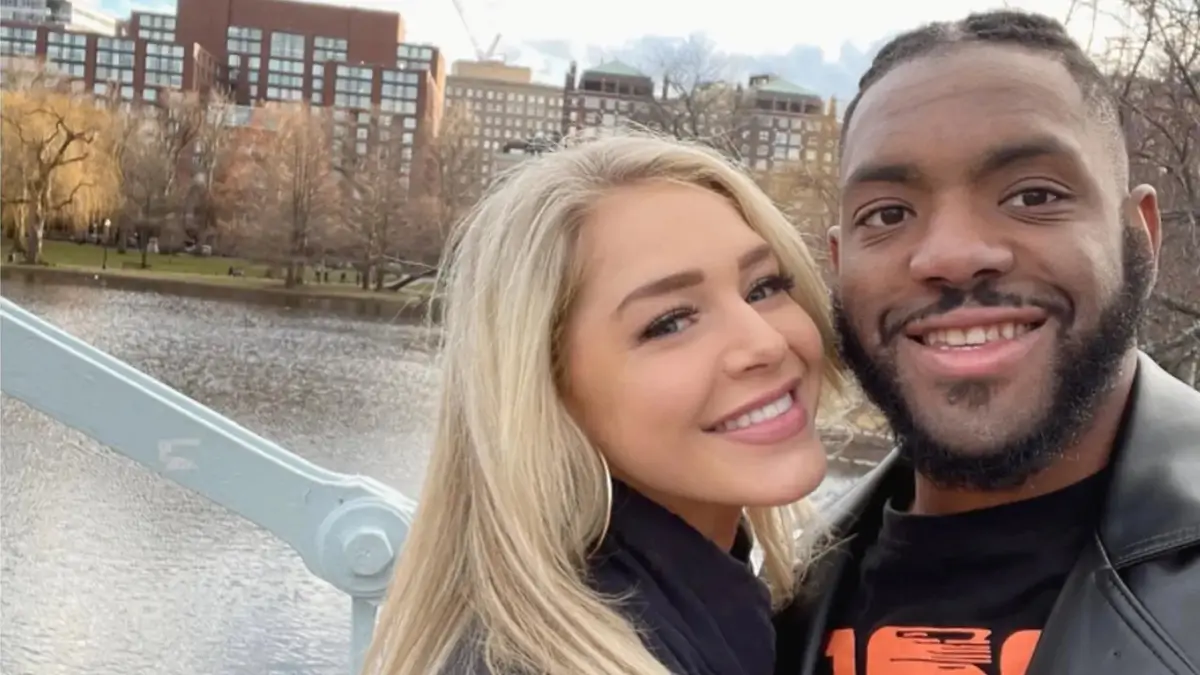
On a warm April evening in Miami, the luxury condo that housed Instagram model Courtney Clenney and her boyfriend, Christian Tobechukwu “Toby” Obumseli, transformed into a scene of chaos. What began as a routine night spiraled into tragedy when Clenney stabbed Obumseli, leading to his death. Clenney’s subsequent arrest drew national attention, not only for the high-profile nature of the individuals involved but also for the questions it raised about race, justice, and the weight of privilege in the legal system. And now, after accepting a plea deal, Clenney has been sentenced to a mere six years in prison, igniting outrage and skepticism about the fairness of her sentence.
This case is a modern tragedy steeped in layers of social dynamics. Clenney, a white woman with a substantial following, was accused of killing her Black boyfriend. The racial components of this story are impossible to ignore. When incidents of violence occur within interracial relationships, they often invoke broader discussions about societal norms and privileges. Clenney was not just an Instagram model; she was a woman who had access to resources and legal support that many do not. This disparity raises critical questions: who benefits from systemic failures in the justice system? And who gets silenced in the process?
Clenney's legal narrative paints a picture of a desperate woman acting in self-defense, a storyline that aligns with societal stereotypes of female victims. Her plea deal, which allowed her to circumvent a potentially harsher sentence, has led many to wonder whether her race and celebrity status influenced the decision. This imbalance is glaring when juxtaposed against cases in which marginalized individuals face harsher penalties for far less violent crimes. In light of the emotional turmoil surrounding Obumseli’s tragic death, it seems that the scales of justice have tipped heavily in favor of Clenney, creating a perception of unequal treatment under the law.
The plea deal accepted by Clenney not only signifies a legal resolution but subtly reinforces a narrative that allows privileged individuals to evade the full consequences of their actions. The six-year sentence, which may be served with the possibility of parole, raises a fundamental question: is this justice? Or merely a slap on the wrist for someone who took a life? For many, particularly within the Black community, this case exemplifies a recurring theme of how the justice system often fails to hold its own accountable, especially when race and privilege intersect.
Moreover, there is a distressing pattern emerging in cases involving domestic violence, especially those that culminate in death. Victims, often women themselves, face a system that can be indifferent or antagonistic. It’s crucial to note that this case involved allegations of abuse on both sides, yet the narrative has primarily focused on Clenney's perspective. This raises another uncomfortable question: how many other victims are there who have not received the same level of attention or legal recourse? What does this say about societal views on domestic violence, particularly in relationships that cross racial lines?
Historically, the stories of Black individuals, especially men, who are victims of violence seldom receive the same media coverage or public outrage as those of their white counterparts. The aftermath of Obumseli's death has been a stark reminder of this reality. Clenney’s sentencing has elicited reactions that underscore a growing frustration with a legal system that seems to favor certain demographics while neglecting others. The narrative surrounding this case serves as a microcosm of broader societal issues, wherein the color of one’s skin and socio-economic status can determine the trajectory of their life or death.
As we reflect on this tragic case, it's essential to consider what comes next. The plea deal accepted by Clenney was not simply a resolution to a painful narrative but a reflection of systemic shortcomings within the justice system. The question of accountability remains pertinent. What happens to the families of victims like Obumseli, who are left grappling with loss while witnessing what they perceive as an injustice? Moving forward, it is crucial for communities and advocates to demand a more equitable legal process,one that does not allow privilege to overshadow the pursuit of justice.
Ultimately, the sentencing of Courtney Clenney has opened a Pandora's box of discussions that extend beyond individual culpability. It challenges us to confront uncomfortable truths about race, justice, and privilege in America. As society grapples with these complex issues, one must ask: can there be true justice when the scales are so heavily weighted? The legacy of this case, and the memory of Christian Obumseli, should compel us to strive for a system that honors truth and equity,one that does not simply serve those with the loudest voices or the most privilege.
As we move forward, the community must remain vigilant. The outcome of this case reverberates beyond Clenney and Obumseli; it prompts us to consider our collective accountability in demanding justice for all. This incident serves as a reminder that the fight for equality in the justice system is far from over. True change requires a commitment to questioning the status quo and advocating for those who have been silenced. By doing so, perhaps we can start to dismantle the insidious structures that allow privilege to overshadow justice.