Wes Watson's Aggravated Battery Case: What It Reveals About Race, Justice, and Accountability
By Renee Fontaine, PowerVault Staff On a summer day in June 2024, a video surfaced that would ignite discussions across social media platforms. White social media influencer Wes Watson, a former inmate turned fitness...
By Renee Fontaine, PowerVault Staff
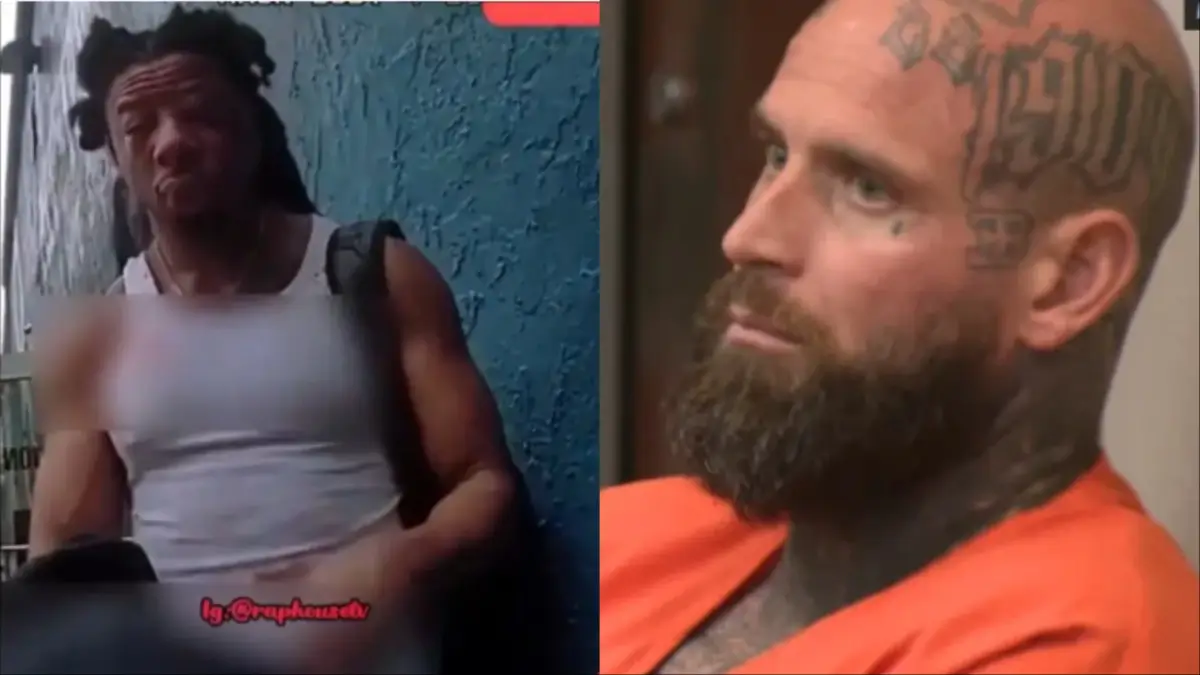
On a summer day in June 2024, a video surfaced that would ignite discussions across social media platforms. White social media influencer Wes Watson, a former inmate turned fitness coach, was caught on tape brutally assaulting a Black man in a parking lot. The footage showed Watson delivering a series of punches and kicks, while he casually remarked to officers on the scene that he "didn't care" about the charges he might face. Fast forward to last week, and Watson has pleaded guilty to aggravated battery. This incident raises important questions about privilege, accountability, and the systemic issues plaguing our justice system.
Wes Watson is known for his YouTube channel, GP Penitentiary Life, where he shares fitness tips and motivational advice, boasting over 516,000 subscribers. His transformation story , from prison inmate to influencer , has been celebrated in some corners as a testament to resilience. However, the violent episode that unfolded in the parking lot calls into question the underlying narratives of redemption and the societal expectations of behavior, particularly in the context of race.
The incident, captured on cellphone cameras, starkly contrasts the public persona Watson has cultivated. The video showed him physically overpowering the victim without apparent remorse. Footage from the scene captured not just the violence but also the chilling indifference with which Watson treated the situation. It raises an unsettling question: How does a person with a platform, who has shared messages of self-improvement, devolve into such an act of aggression?
In the aftermath of the altercation, Watson's narrative shifted from influencer to defendant. While discussing his guilty plea, he positioned himself as a victim, claiming that a lengthy prison sentence would impact his ability to support his family. The juxtap of his prior imprisonment with his current plea paints a picture of a man who appears to leverage his past to garner sympathy. The implications of this are profound.
Racial dynamics play a significant role in this case. Throughout history, there have been numerous instances where white individuals have committed acts of violence against Black individuals with minimal repercussions. Watson's behavior and subsequent legal strategy can be examined within this troubling context. The disparity in how justice is dispensed based on race is not merely anecdotal; it is well-documented. In many cases, white defendants receive leniency that their Black counterparts do not. This case presents an opportunity to interrogate those patterns and ask: what message does this send to the victims and the community at large?
As Watson navigates the legal waters post-plea, questions about sentencing loom large. According to reports, he is petitioning for a lighter sentence, relying on his influencer status and the narrative he has crafted around his life experiences. This tactic is not uncommon in cases involving individuals who hold social capital. It reflects a broader systemic issue: individuals with platforms often receive different treatment compared to those without them, particularly when race is a factor. Will the courts recognize the brutality of Watson's actions, or will they be swayed by his narrative and influence?
The incident also serves as a reminder of the broader societal tendency to tolerate aggression in certain contexts , particularly when a white male is involved. The intersection of race and class in legal outcomes cannot be ignored. For many Black individuals who experience violence, the legal system often fails to serve as a means of justice. Instead, it can act as another layer of oppression. The question remains: how can true accountability be achieved in a system that shows clear favoritism based on race?
In the court of public opinion, Watson's actions have not gone unnoticed. Many have expressed outrage over the light sentences often afforded to those like Watson, while others have raised concerns about how incidents like this one can perpetuate cycles of violence. The victim in this case, whose name has not been widely publicized, finds himself in a system that may not offer the justice he deserves. His experience is symbolic of many Black individuals who have been victimized and then left to navigate a fraught justice landscape.
As the case unfolds, there is a widespread expectation that the justice system will address Watson’s actions with the severity they warrant. But, as history has shown, that expectation may not be realized. The potential for a lenient sentence raises broader issues about how society values Black lives compared to white lives, particularly within the context of violence. The way this case is resolved could either reinforce or challenge these systemic inequities.
Additionally, the societal repercussions of Watson's plea deal could echo beyond this single case. Will it embolden other influencers to act with impunity, believing they can escape the full consequences of their actions? Or will it serve as a wake-up call about the need for accountability among those with platforms? The community and those who seek justice on behalf of the victim must remain vigilant, advocating for a fair outcome that reflects the gravity of the crime.
Watson's case is not an isolated incident; it’s reflective of deeper issues at play in our legal system. The disparities in how justice is served, particularly when it intersects with race and class, provoke a call to action for systemic reform. More than just a story about a social media influencer gone awry, this case serves as a microcosm of the ongoing struggles faced by marginalized communities in seeking justice. As observers, it's essential to demand answers. Who truly benefits from the outcome of this case? Who gets silenced in the process, and will justice ultimately be served?
As the public continues to engage with this case, it becomes crucial to challenge the narratives being spun around it. Activism and awareness are needed, not only for the victim but for all who find themselves in similar situations. The potential fate of Wes Watson’s case hangs in the balance , a moment for justice or another example of inequity. The resolution may set a precedent for how cases of violent crime, influenced by race and social status, are treated moving forward.
For those following the story, the next steps in the legal process will be crucial. Watch for updates on Watson's sentencing and the public's reaction. Ultimately, the outcome will reflect much more than just the fate of one influencer; it will signal how society views accountability, justice, and the ongoing necessity for change in the system.