David Vander Meer's Death: Unpacking the Tragic Cliffside Case of His Wife's Murder
By Marcus Ellison, PowerVault Staff In the quiet hours of a Las Vegas morning, a grim narrative unfolded within the walls of the Clark County Detention Center. David Vander Meer, a former youth pastor, was found dead...
By Marcus Ellison, PowerVault Staff
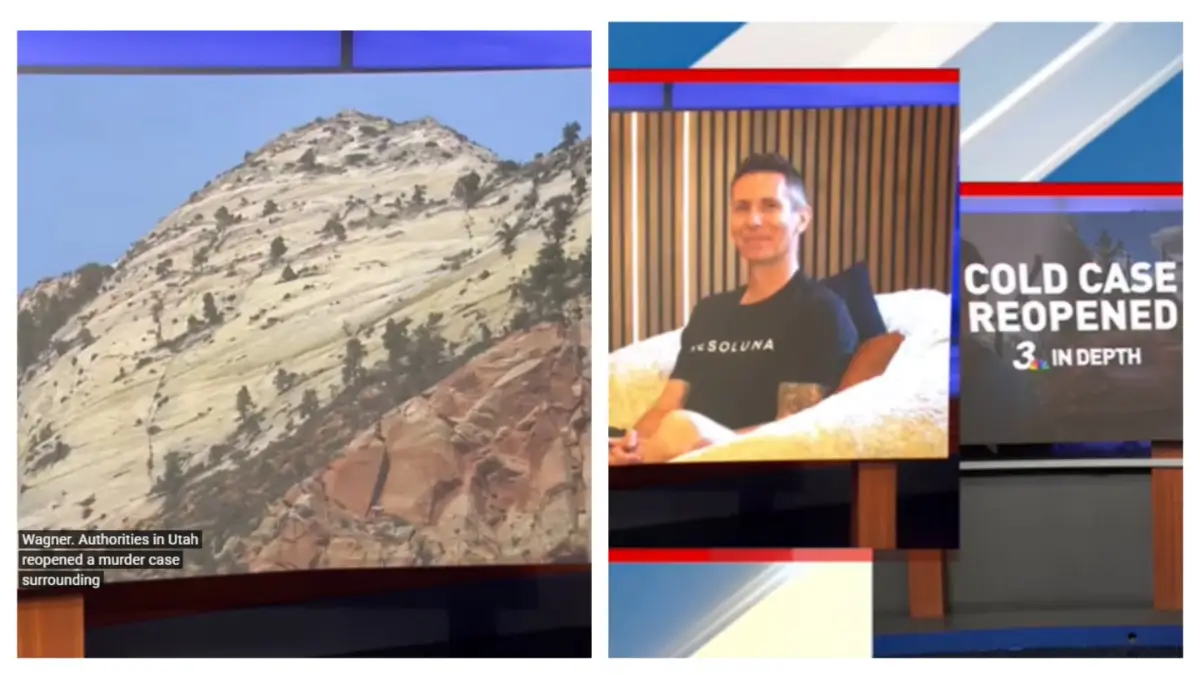
In the quiet hours of a Las Vegas morning, a grim narrative unfolded within the walls of the Clark County Detention Center. David Vander Meer, a former youth pastor, was found dead by suicide,a development that left the community reeling. Just days prior, Vander Meer had been charged with murdering his wife, a crime rooted in a suspicious fall from a 1,200-foot cliff in 2006. The irony dripped from the headlines: a man charged with taking a life ended his own days later, leaving behind a suicide note that hinted at a complex, troubling psyche.
Vander Meer's case had long been shrouded in mystery and public speculation. In June 2023, as authorities finally moved to hold him accountable after years of unanswered questions, the weight of the past crashed down on the present. His wife, 39-year-old Angela Vander Meer, died in what was initially deemed an accident during a hike at Angels Landing in Zion National Park. However, a deeper investigation illuminated a chilling narrative: David had reportedly encouraged her to pose for a sunrise photo at the edge of the cliff before she fell,a detail that cast suspicion on his involvement. Was it a tragic accident or a calculated act of violence? The once-revered youth pastor now stood on the precipice of justice, accused of a grave crime.
The release of the suicide note added another layer of complexity to an already tangled web of events. What could drive a man to leave such a note after being charged with murder? Sources suggest that the note expressed feelings of despair and remorse, but its full contents remain undisclosed. In the wake of this tragedy, questions swirl not just about Vander Meer's mental state, but about the broader implications of his actions. Who benefits from the silence of the dead? Who was silenced in life?
This case brings to light the systemic failings within the justice system, especially regarding how domestic violence and suspicious deaths are investigated. With Vander Meer’s death, the community is left without answers and, in a broader sense, the echoes of his wife's case fade into unresolved silence. The police's initial handling of Angela's death had been marked by skepticism; many wondered why it took over fifteen years to bring charges against Vander Meer. This delay highlights a troubling trend in law enforcement, where cases involving intimate partner violence often receive inadequate attention, allowing perpetrators to roam free while survivors are left without justice.
From an analytical perspective, Vander Meer's suicide raises questions about the effectiveness of our legal system in addressing domestic violence. Why did the authorities not intervene sooner? If Vander Meer was a danger to his wife, why was he not a greater risk to himself when the charges were finally brought forth? The systems meant to protect victims failed not just Angela, but also David, who ultimately succumbed to despair instead of facing the justice that might have cleared his name or revealed his guilt. The pain doesn’t just end with his death; it reverberates through the community, leaving a wake of loss and unresolved trauma.
The cultural implications are equally troubling. As a youth pastor, Vander Meer occupied a position of trust and authority within his community, a reality that complicates the narrative further. How often do we see individuals in power exploit their position to manipulate and harm those around them? The juxtaposition of faith and betrayal here is stark. This case forces a reckoning with the cult of celebrity that surrounds some religious figures, highlighting how community trust can be squandered in an instant.
In many ways, David Vander Meer's story is an indictment of the societal structures that prioritize image over accountability. The question remains: how do we create a system that prioritizes the safety of individuals over the reputations of institutions? The hesitance of authorities to charge him sooner speaks to a larger issue regarding the investigation and prosecution of crimes against women. In cases of domestic violence and suspicious deaths, there often exists a gap between justice and the reality of victims’ experiences. Angela Vander Meer’s story is just one of many where systemic failures leave families shattered and communities searching for answers.
The reality is that the community is left to grapple with the aftermath. As they mourn Angela and reflect on David's shocking end, the case also serves as a call to action. There needs to be a push for more thorough investigations and a re-evaluation of how such cases are prioritized. What happens when a person is accused of such heinous acts but is allowed to slip away into silence? The cycle of trauma continues, and the victims,both the deceased and the living,remain without closure.
Moving forward, this case challenges all of us to think about the systems at play within our communities. Are we doing enough to protect the vulnerable? Are we courageous enough to hold powerful figures accountable, even when it threatens to shatter the very fabric of our community? As Vander Meer's story fades from the headlines, the questions it raises refuse to be silenced. The community deserves justice, and the conversation about domestic violence and accountability must not end with Vander Meer's tragic death. It is a challenge to be vigilant, to demand change, and to ensure that the voices of the silenced are heard. Looking ahead, one must ask: how do we prevent the next tragedy from happening? What can be done to ensure that justice is served before it’s too late?