OutKast's 'ATLiens': How 30 Years Later It Still Shapes Hip-Hop Culture
By PVN Staff · August 31, 2026 · Straight From the Bench
By DeShawn Price, PowerVault Staff
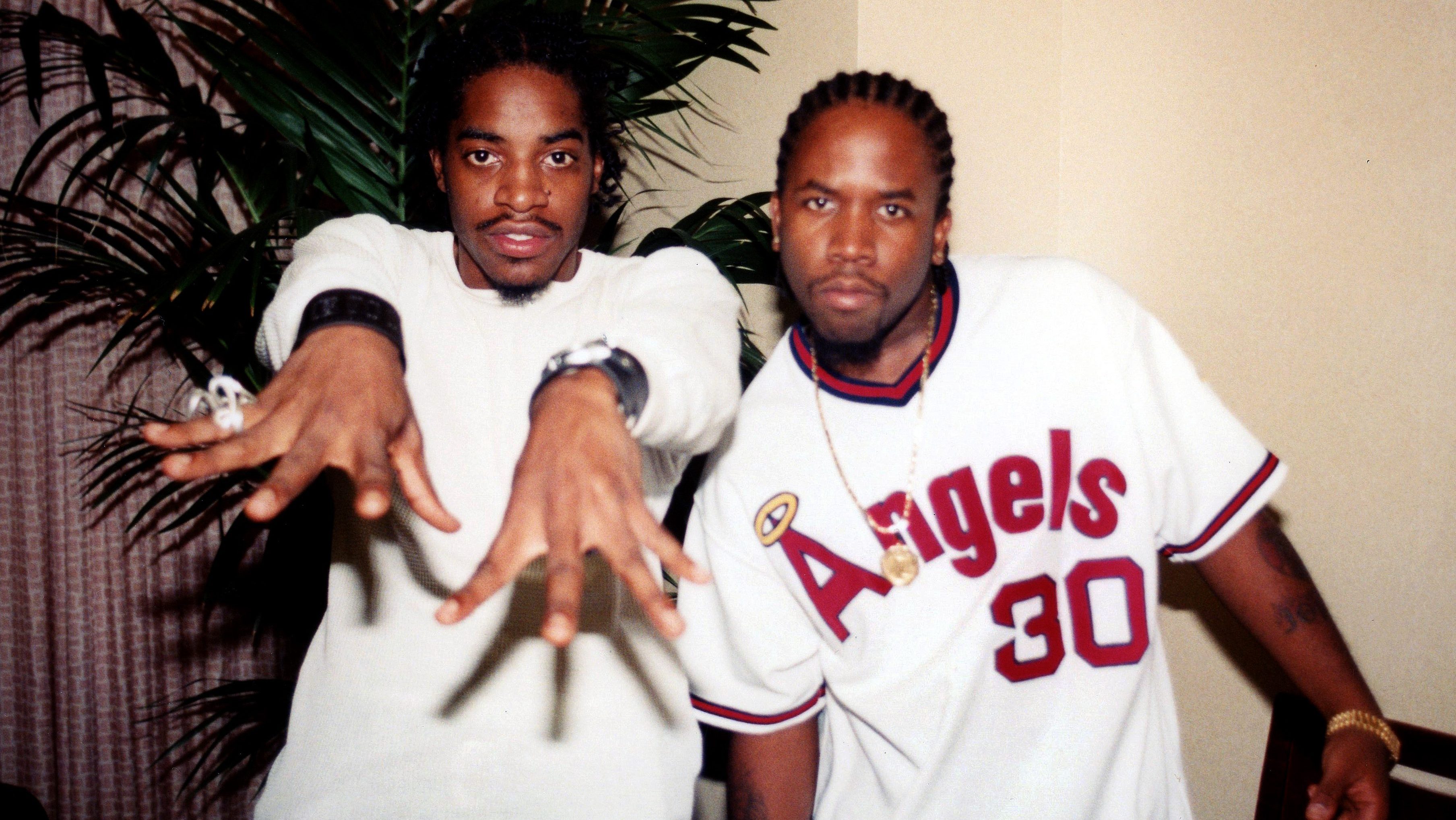
It was the humid summer of 1995, and the air was thick with anticipation in the basement of Rico Wade's southwest Atlanta mansion. This was the sanctum of Organized Noize, the powerhouse production team that had already sent tremors through the hip-hop world. In this creative crucible stood two young men who would soon redefine what southern hip-hop could be. Antwan 'Big Boi' Patton and Andre 'Dre' Benjamin,collectively known as OutKast,were on the brink of creating an album that would not only change their careers but alter the course of music history forever.
The duo's sophomore album, 'ATLiens,' dropped like an extraterrestrial visitor into the cultural landscape,unexpected, otherworldly, and immediately unforgettable. Released on August 27, 1996, it was a project that didn’t just ask for attention; it demanded it. This wasn’t just music; it was a statement of identity, a proclamation that the South was here to stay. In an era dominated by East Coast lyricism and West Coast funk, OutKast carved out a niche that was uniquely Atlantan, infusing cosmic themes with Southern sensibilities.
Fast forward three decades, and 'ATLiens' remains just as relevant, if not more so. The album stands as a testament to OutKast's foresight and creativity, embodying both the struggles and triumphs of Black southern life. It was a bold declaration that mainstream hip-hop could not only include but celebrate diverse voices and perspectives from the less-commercially acknowledged parts of America.
But 'ATLiens' is more than just its beats and rhymes; it's a cultural artifact that continues to speak to the complexities of Black identity. Tracks like 'Elevators (Me & You)' capture the duo's rise from obscurity to stardom, painting vivid pictures of their journey. This was music that made you feel; it was soul food for the ears. The album's eponymous single 'ATLiens' was a clarion call for all who felt othered, a reassurance that they, too, had a place in the cosmos.
And let's not overlook the album's prophetic impact on the industry. In a time when geographic allegiances in hip-hop were strong, OutKast broke the mold, proving that southern artists could offer more than just club anthems. They delivered introspective, socially aware, and sonically innovative music that resonated with listeners far beyond Atlanta. It's no wonder that their work laid the groundwork for future Southern juggernauts like Lil Wayne, T.I., and J. Cole. They didn't just put the South on the map; they drew a whole new one.
In reflecting on 'ATLiens,' it's essential to discuss its contribution to the landscape of Black culture. The album foregrounded issues like systemic inequality, personal struggle, and cultural pride, all wrapped up in a futuristic aesthetic. This blend of themes gave voice to a generation that felt both anchored in tradition and unbound by it. OutKast managed to navigate the nuanced realities of being Black in America while offering hope and inspiration for a brighter future.
From a broader perspective, 'ATLiens' serves as a pivotal moment in the evolution of hip-hop as a genre that can tackle complex themes without sacrificing entertainment value. The album challenged the industry to confront its biases and to make room for the multifaceted stories emerging from the South. It was a call for inclusivity long before the term became a buzzword.
As we celebrate the 30th anniversary of 'ATLiens,' it's crucial to acknowledge the social dynamics and industry politics that surrounded its release. At the time, Southern rap was often dismissed by the coastal elites who dominated the airwaves and tastemaker circles. OutKast's success was a direct challenge to those prejudices, proving that talent and authenticity couldn't be confined by geography. Their relentless pursuit of excellence forced the industry to pay attention to voices it had long ignored.
Looking ahead, the legacy of 'ATLiens' challenges us to continue expanding the boundaries of what hip-hop can be. If OutKast taught us anything, it's that innovation and authenticity are timeless. As the industry grapples with issues of representation and diversity, 'ATLiens' offers a blueprint for how to succeed on your own terms. So here's to OutKast and 'ATLiens',may their influence continue to inspire the next generation of artists to reach for the stars while keeping their feet firmly planted in the red clay of the South.