Human Remains Found Near Where Derek Samuel Vanished — What His Friends' Videos Reveal
By Simone Walker, PowerVault Staff The woods behind the Reserve at Redwine Apartments, just a stone's throw from a Target in East Point, Georgia, have become an ominous backdrop in a tragic story. On a Sunday that ini...
By Simone Walker, PowerVault Staff
The woods behind the Reserve at Redwine Apartments, just a stone's throw from a Target in East Point, Georgia, have become an ominous backdrop in a tragic story. On a Sunday that initially seemed like any other, a Georgia Emergency Search & Rescue team, alongside local detectives, uncovered human remains near the same location where 20-year-old Derek Samuel vanished. It’s a gut-wrenching development in a case that has shocked the community and left many unanswered questions.
Derek had last been seen outside that very Target store, a familiar place for many residents. His sudden disappearance on a late spring day in May sparked a desperate search led by friends, family, and community members, who held vigils and offered rewards to locate him. Days turned into a month, and with each passing week, hope faded. Now, the grim discovery forces a harsh reckoning for those who loved him, as well as for the systems designed to protect and serve their community.
As authorities confirmed the discovery of the remains, an unsettling atmosphere enveloped East Point. The search for Derek was not just a local story but a reflection of broader societal issues , how young Black men often vanish from public consciousness, their cases inadequately addressed unless they explode into viral campaigns. Questions swirl around whether the investigation was thorough enough from the beginning and if systemic failures in policing contributed to Derek's fate.
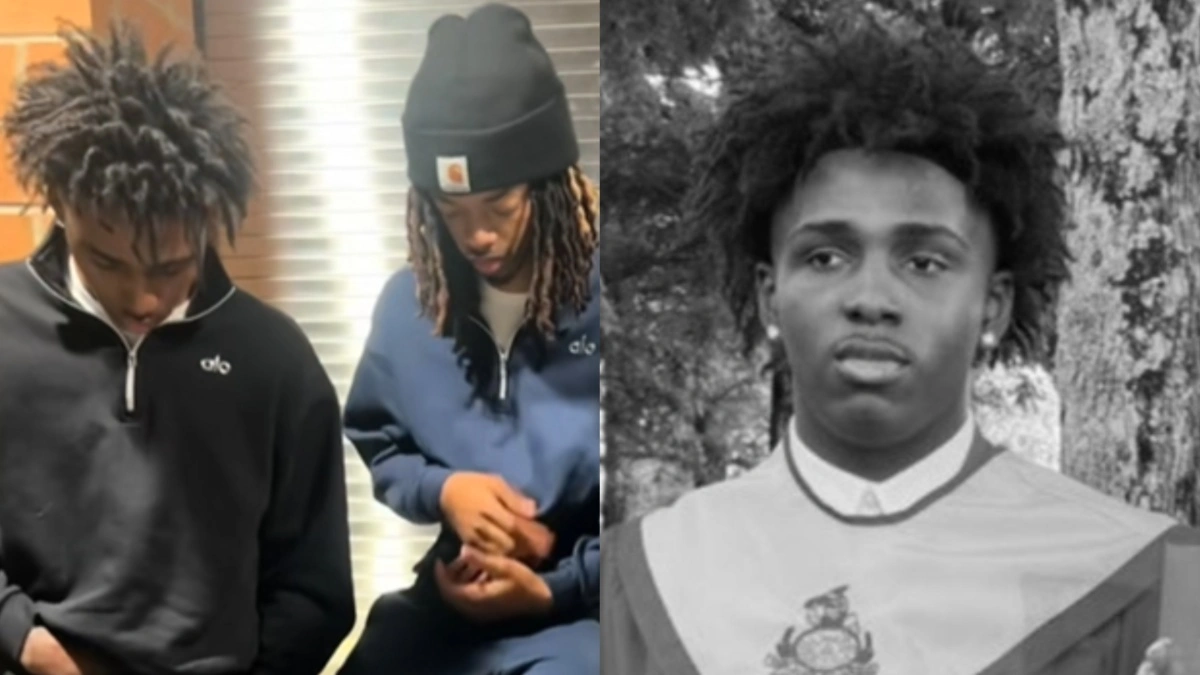
The friends of Derek have been vocal since his disappearance. Their use of social media platforms, particularly TikTok, has raised eyebrows. Some accounts suggest that they may have insights into his disappearance that haven’t been shared with authorities. Recent videos, posted in tribute to Derek, feature them in emotional states, grappling with their loss, yet also hinting at deeper knowledge. This raises complex questions about accountability and whether those closest to a victim hold keys to unraveling the mystery or whether they themselves are complicit in an unspoken tragedy. Contrary to public expectation that friends would channel grief into dedicated assistance, their online presence has at times seemed more performative than purposeful, leaving many to wonder what really happened.
In cases of missing persons, particularly involving young Black men, the response from law enforcement often falls short. The absence of immediate action can lead to devastating consequences, as seen in Derek’s case. Despite community efforts to raise awareness and engage law enforcement, it took too long for the search to gain the urgency it warranted. This case serves as a potent reminder of systemic inequities that plague the justice system, where the value of a life is often assessed based on race and socioeconomic status. The contrast between missing persons reports involving white victims and those of people of color illustrates a disturbing trend: Black lives are frequently marginalized until they erupt into public outcry.
Furthermore, what does the disappearance of Derek Samuel reveal about the social dynamics at play in East Point? This mixed community, with its rich cultural fabric, hides a harsher reality underneath. When a young Black man goes missing, it’s critical to interrogate how systemic racism and class disparities inform the public's reaction and the inertia in law enforcement response. Is it a lack of resources or a lack of resolve? The answers may lie in the community's history and in the way marginalized voices are often silenced in matters of public safety.
The manner in which Derek's case unfolded also reflects a culture increasingly reliant on social media for advocacy yet fraught with risks. Friends creating content in tribute can be therapeutic, but it can also blur the line between mourning and manipulation. When grief is commodified for views and likes, it transforms into a spectacle rather than a solemn observance. Derek’s friends’ TikTok videos raise ethical questions about how narratives are constructed online. Are they sharing genuine reflections of loss or performing for an audience? Each post creates a digital artifact that, while capturing a moment of shared grief, may also distract from seeking justice.
As for the future, the community must wrestle with the implications of this tragedy. What lessons does the discovery of Derek’s remains impart about vigilance in protecting the most vulnerable among us? Will it be a moment that galvanizes the community and law enforcement into action, or will it be another chapter in the chronicle of unresolved pain? The quest for justice must continue not only for Derek but for those who feel the ever-present threat of invisibility.
Moving forward, the focus must be on healing and accountability. Community leaders should leverage this tragedy to advocate for systemic change in how missing persons cases are handled, particularly those involving people of color. Collaboration with law enforcement needs to improve, ensuring that the urgency applied to some cases is extended uniformly. It’s crucial to cultivate an environment where all lives, regardless of race or background, are valued equally.
In closing, the community must remain vigilant. Seek answers, demand transparency, and remember Derek not just as a lost life but as a catalyst for change. Only then can his story contribute to a larger narrative about justice, accountability, and the commitment to ensuring that no young life is rendered invisible.