Eric Pierwsza: Why Did a Pennsylvania Man Use an Excavator to Tear Down His Home Over a Marriage Dispute?
By Malik Carter, PowerVault Staff In an unsettling scene that seemed ripped from the pages of a low-budget thriller, Eric Pierwsza, a 48-year-old Pennsylvania man, allegedly took a Kubota excavator to his family home,...
By Malik Carter, PowerVault Staff
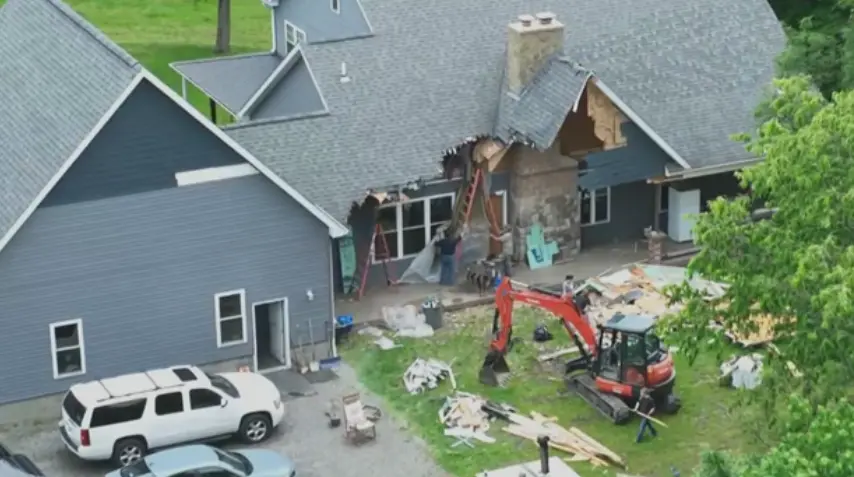
In an unsettling scene that seemed ripped from the pages of a low-budget thriller, Eric Pierwsza, a 48-year-old Pennsylvania man, allegedly took a Kubota excavator to his family home, all while his wife and two daughters were still inside. The actions of this man raise pressing questions about impulsivity, emotional volatility, and the deeper issues that can lurk beneath the surface of domestic life.
The incident unfolded when Pierwsza's wife informed him that their marriage was over. Instead of seeking a dialogue, he reportedly reacted with rage, choosing to destroy the very place meant to be a sanctuary for his family. As he ripped apart the structure, it wasn’t just wood and bricks that were damaged; the very fabric of a family was threatened. Reports state that the family managed to escape unharmed, yet the psychological impact of witnessing such destruction is far more insidious and lasting.
The sheer absurdity of this event raises critical questions about the state of mental health awareness and resources available for individuals grappling with emotional crises. Pierwsza's actions, while extreme, are not entirely isolated in the context of domestic disputes. They reflect a disturbing trend where men, often conditioned by societal expectations to suppress vulnerability, explode in volatile ways when faced with emotional turmoil. This incident forces us to confront the broader implications of how emotional distress can manifest into destructive behavior.
With news articles echoing the details of the event,like how Pierwsza allegedly used heavy machinery to dismantle his home,one cannot help but ponder the societal and cultural factors that contribute to such explosive reactions. The dynamics of toxic masculinity, where emotional expression is often viewed as weakness, must be scrutinized. Pierwsza’s desperate act of tearing his house apart underlines a profound disconnect with healthy emotional expression and conflict resolution strategies.
This tragic episode stands as an unfortunate reminder of the consequences of unaddressed emotional pain. In a culture that often equates masculinity with stoicism and aggression, men like Pierwsza may feel they have no outlet for their distress. The family structure can become a battleground where unresolved issues clash, sometimes leading to destructive outputs like this one.
The psychological dimensions of domestic disputes are rarely discussed in mainstream narratives, often overshadowed by sensationalism. Individuals are complex beings shaped by their experiences. Pierwsza's actions could indicate a failed support system,whether familial or societal,that might have intervened before he resorted to such extreme measures. It prompts a reflection on how communities and social structures can do better to foster healthy communication, emotional literacy, and conflict resolution.
While the legal outcomes of Pierwsza's actions will unfold in court, it is crucial to examine the systemic failures that allowed this situation to escalate. The justice system often grapples with domestic disputes that expose the vulnerability of individuals involved. In many cases, victims of domestic violence,be it emotional or physical,feel trapped in a cycle of silence due to fear of retaliation or a lack of resources to find help.
As the details of this incident continue to emerge, a broader inquiry into the local community’s responses to such domestic crises comes to the forefront. Are there adequate resources for mental health support? Are there domestic violence prevention programs in place that can intervene before situations spiral out of control? These are essential questions that go beyond this particular case and tap into the broader systemic challenges in our society. Understanding these dynamics offers a pathway toward prevention, breaking the cycle of anger and destruction.
This incident also sparks a conversation around how we define home and safety. The home is typically viewed as a refuge, yet it can become a site of fear and turmoil when relationships disintegrate. This duality,of home being both a sanctuary and a battleground,demands a reevaluation of how families navigate emotional challenges. The failure to foster healthy environments for emotional expression can lead to tragic outcomes like Pierwsza's, where the sanctity of home is irrevocably shattered.
As the trial progresses, it will be vital to keep an eye on the repercussions of Pierwsza's actions within his family and the community. What resources will be made available to them? How will the legal system appropriately address both accountability and the underlying issues of mental health that contributed to this breakdown? The answers to these questions will impact not just the individuals directly involved but also serve as a reflection of societal values surrounding mental health, masculinity, and familial relationships.
This incident serves as more than just a shocking headline; it is a window into the struggles many face behind closed doors. It challenges readers to think critically about the support systems,or lack thereof,that exist within their own communities. As we watch this case unfold, the challenge lies in recognizing that beneath the surface of every domestic dispute, there is a complex interplay of emotions, societal pressures, and systemic failures that need to be addressed collectively.
The need for empathy and understanding becomes increasingly crucial in light of events like this. It is an invitation to all of us to consider how we can contribute to creating environments where emotional health is prioritized, and where individuals feel safe to express their struggles rather than resort to destruction. As the narrative surrounding Eric Pierwsza develops, let it prompt a broader movement towards fostering mental health awareness and supportive community structures that can mitigate the risk of such tragic events in the future.
Ultimately, this case illustrates a moment of crisis that could either serve as a wake-up call or a point of dismissal. It is up to the community, the justice system, and each individual to decide which path to take. The lingering question remains: how many more families must experience such chaos before we collectively prioritize emotional well-being, conflict resolution, and genuine support within our communities?