
50 Cent Cyberstalking Case: What Tia Kemp Risks Next
By Malik Carter, PowerVault Staff 50 Cent appeared on Zoom for his cyberstalking case against Tia Kemp, but she skipped the hearing and answered on TikTok instead. That contrast tells plenty about where this dispute s...
Advertisement

By Malik Carter, PowerVault Staff
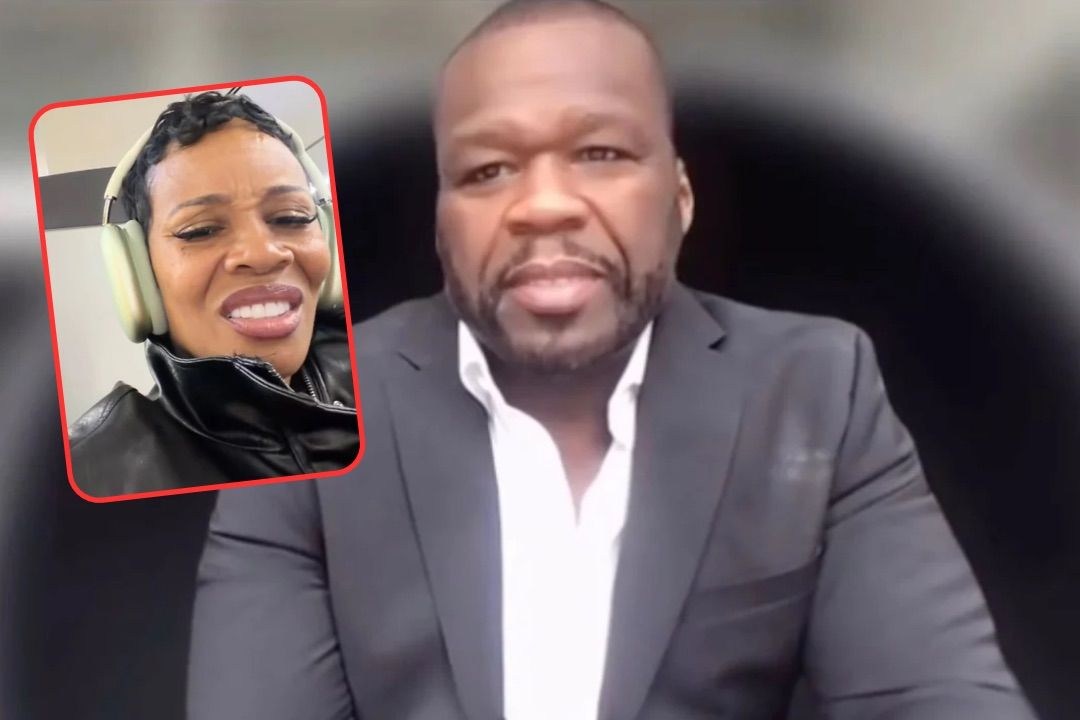
50 Cent appeared on Zoom for his cyberstalking case against Tia Kemp, but she skipped the hearing and answered on TikTok instead. That contrast tells plenty about where this dispute stands. One side showed up before a judge. The other kept talking to an audience. Neither move settles whether a permanent protective order should be issued. The hearing on Tuesday, Nov. 3, ended with more time for 50 to decide whether to proceed. The serious part sits underneath the familiar insults: his complaint seeks protection for his 14 year old son, Sire Jackson, who has become a target in an adult feud.
According to XXL's reporting on the hearing, 50 filed the complaint in October against Tiallondra “Tia” Kemp, Rick Ross' former girlfriend. He sought a permanent injunction aimed at stopping alleged harassment, stalking or cyberstalking involving Sire. Those are allegations, not findings established by the reporting provided. XXL identified TMZ as the outlet where footage of the Zoom appearance first surfaced. No order granting permanent protection was reported. That distinction matters when court clips hit entertainment pages. A famous face on a court screen can make a filing feel final before anything has been decided. Filing a complaint means someone has asked a court to intervene. It does not mean the judge has already accepted every accusation inside it.
During the hearing, 50 told the judge he would have dismissed the complaint if Kemp had stopped publicly disparaging him and his son, XXL reported. The judge acknowledged his position and allowed another 30 to 45 days for him to determine whether to pursue the protective order further. His explanation tied the decision to continued public comments, rather than presenting the filing as something he considered unavoidable. That is the actual development, not a reported victory on the merits. Kemp's absence also should not be inflated into a finding against her. The supplied reporting does not establish why she missed the hearing or describe any penalty for it. The social post below belongs to the public coverage of this dispute, not the judge's findings.
A circulating clip can document someone's words without resolving the legal questions those words create. Kemp addressed her absence on TikTok after her Instagram account was deactivated, according to XXL. The reporting does not establish why Instagram deactivated the account. “You know what?” she said before launching into insults directed at 50 and dismissing the complaint. Calling him “Curtis 15” also kept the response in the familiar register of a personal roast, not courtroom argument. Her response communicated defiance, not a detailed legal defense. That difference deserves attention. Refusing to take an opponent seriously on camera might play well with supporters. It does not answer whether particular conduct warrants court intervention, and a social media audience cannot make that determination for either side.
Separate from the protective order request, 50's legal team filed a $6 million federal lawsuit against Kemp in California on Oct. 26, XXL reported. The amount is a demand, not money a court has awarded. The supplied account does not detail the federal claims, so those should not be guessed from the price tag. The conflict began in October after 50 mocked Kemp and Ross' son for contacting police about a man accused of attacking him. The alleged attack involved pistol whipping, a serious accusation beneath all the online jokes. XXL also reported that 50 put up money to get that man out of jail. Kemp then targeted Sire. The accompanying video belongs to this public dispute, separate from any ruling.
That public back and forth fits a history much older than TikTok. The feud between 50 Cent and Rick Ross dates to 2009, when diss records and personal attacks turned into competing entertainment campaigns. Family connections became part of the ammunition. By 2015, a privacy lawsuit brought by Lastonia Leviston, the mother of another of Ross' children, produced a $7 million verdict against 50. That case involved different conduct and proves nothing about Kemp's alleged actions. Still, it shows how personal material can carry costs beyond a rap feud. Fans may remember these battles as eras of memorable disrespect, but relatives pulled into them have stakes beyond whose punchline lands hardest on a given afternoon. PVN's look at Nick Cannon revisiting his Eminem feud poses a related question: who benefits when old hostility keeps finding fresh distribution?
The hardest question here is whether either adult can stop treating family as leverage.
A child does not become fair game because his father knows how to make somebody trend.
50 has every right to seek lawful protection for his son. That does not put his own role in starting this exchange beyond criticism. Mocking Kemp's son for going to police helped move the argument toward family before she targeted Sire, according to the reported sequence. Those actions are not legally interchangeable, and one does not excuse the other. They do establish a standard worth applying consistently. Turning somebody's decision to report an alleged assault into a credibility test does not settle what happened or make the alleged violence less serious. A child does not become fair game because his father knows how to make somebody trend. Kemp can defend her son without attacking Sire. Likewise, 50 can pursue protection without pretending his earlier public conduct has no place in the discussion.
The attention economy rewards the exact behavior a protective order seeks to interrupt: repeated contact, repeated references and another round of circulation. That does not mean platforms have committed a legal wrong in this case. It means their incentives deserve scrutiny. A court wants relevant facts. An entertainment feed wants the next clip. Those goals can pull in opposite directions when a dispute becomes dependable programming. Kemp's move to TikTok after losing access to Instagram illustrates how an argument can find another stage without reaching any resolution. Creators and publishers should resist turning a child's name into a recurring engagement tool. No earnings figures are available here, so claims that anyone profited from these posts would be speculation. The accompanying video is worth watching with that distinction in mind.
What a clip shows should guide the discussion, not become permission to invent what happened outside it. Fans also have a choice about what they reward. Laughing at an adult's insult is different from circulating attacks involving a minor. So is enjoying a veteran rapper's wit versus applauding every escalation because his opponent is unpopular. The old rule about keeping children out of beef only means something when it applies to somebody the audience dislikes. Reposting an attack to condemn it can still give it another audience, especially when the caption makes the child the headline. Readers should also keep money demands separate from proven liability. PVN's coverage of Cardi B challenging a $2.5 million show claim offers another occasion to practice that discipline: a dollar figure needs documentation, not automatic belief.
Money changes the practical shape of these fights long before any judgment. A wealthy entertainer can retain counsel and sustain litigation in ways many people cannot. That imbalance does not make a complaint false, nor does it establish Kemp's finances. Legal representation, preparation and repeated appearances require time and resources that a viral response cannot substitute for, however confidently somebody delivers it. It means the court offers a very different arena from TikTok, where personality can outweigh resources. Black public figures also face an audience trained to consume their family conflict as spectacle. Black media should refuse that easy assignment. There is room to report the insults without making humiliation the product. The useful work is explaining what was alleged, what the judge actually did and whose privacy keeps getting spent.
Advertisement
Next comes a decision about whether 50 will continue pursuing the protective order after the additional 30 to 45 days. The separate federal lawsuit also needs to be tracked through filings and rulings, not assumptions drawn from its $6 million demand. Nothing in the supplied reporting establishes a final outcome in either matter. Watch for court documents clarifying the allegations, any response from Kemp and any restrictions a judge actually imposes. Another heated video may arrive before any of that. Readers do not have to mistake the fastest update for the most meaningful one. The adults can keep score; their children should not be the scoreboard.
More from PowerVault Network:
