Who is Edward James Porter? The Unraveling Threats in the Nolan Wells Case
By Malik Carter, PowerVault Staff On a sweltering Mississippi afternoon, a campus once filled with the laughter of a promising athlete fell eerily silent. Nolan Xavier Wells, an 18-year-old college freshman, was found...
By Malik Carter, PowerVault Staff
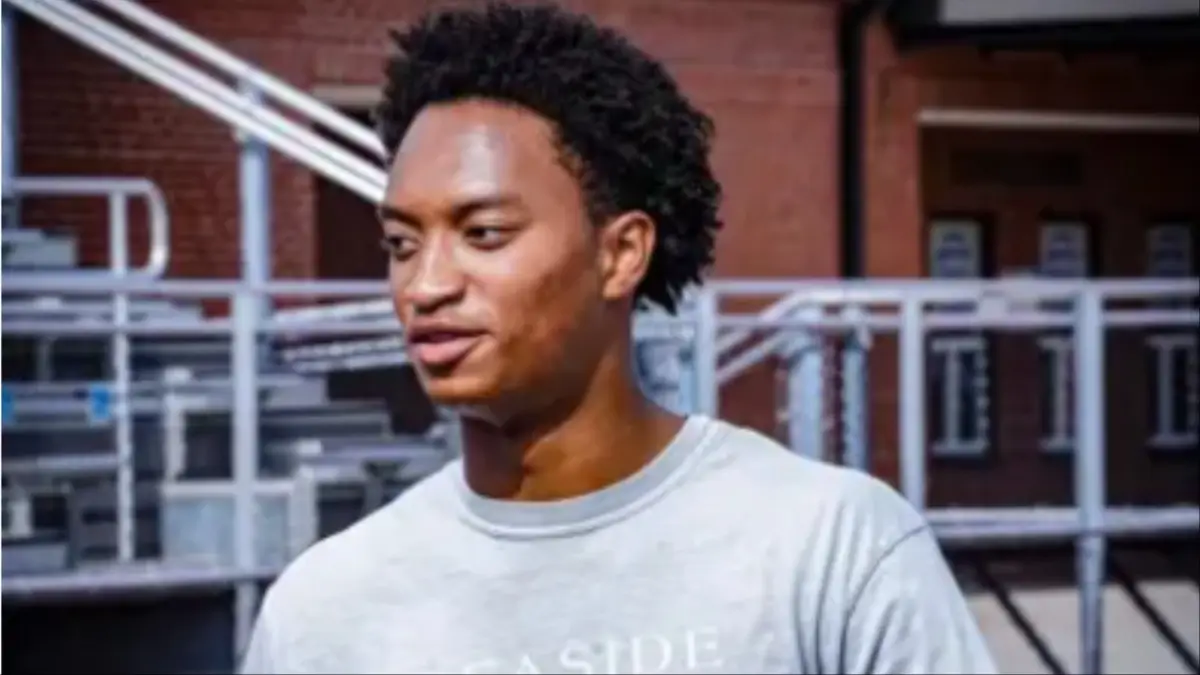
On a sweltering Mississippi afternoon, a campus once filled with the laughter of a promising athlete fell eerily silent. Nolan Xavier Wells, an 18-year-old college freshman, was found dead under circumstances that have since sparked outrage, confusion, and now, a series of sinister threats directed at those who dared to speak out. Witness intimidation has reared its ugly head in a case that increasingly reflects deeper societal issues, placing the spotlight not solely on the tragedy of a young life lost but on the culture of silence that often surrounds such events.
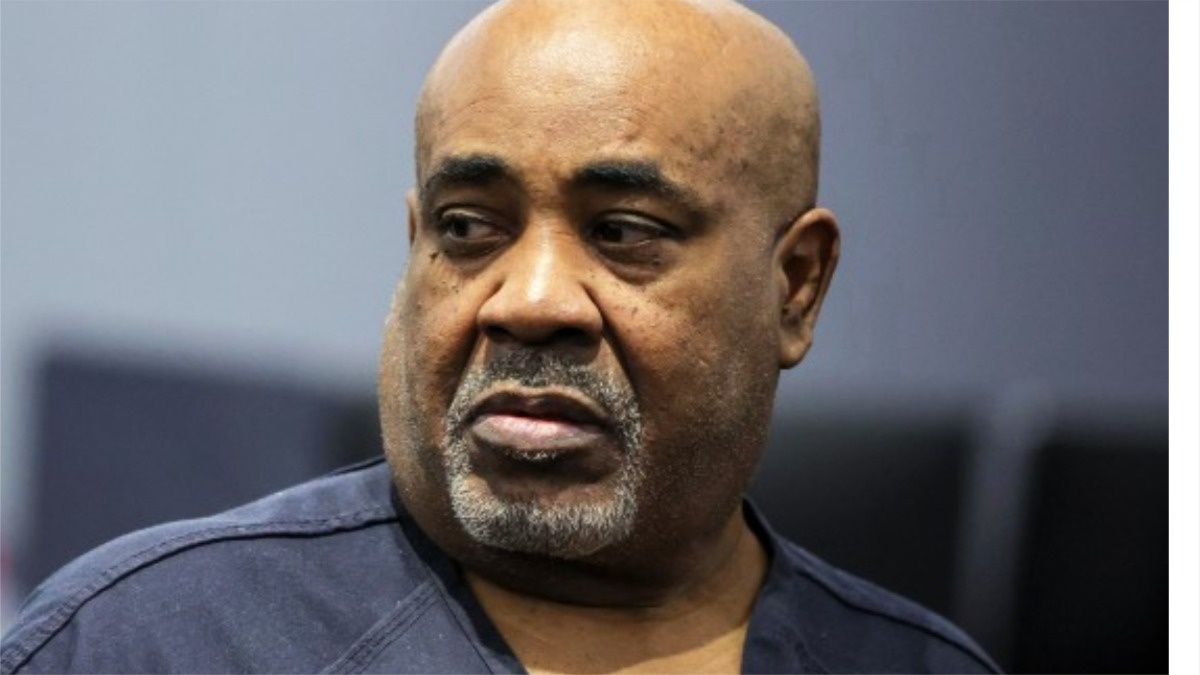
The third arrest connected to threats against witnesses in the Wells investigation is of Edward James Porter from Berwyn, Illinois. The federal charges against him are serious, alleging that he transmitted threats over phone calls and text messages, aiming to intimidate two witnesses and their families. This development is chilling, but it begs the question: Why is the focus shifting to those who might help the investigation, rather than the investigation itself?
The landscape of the Nolan Wells case has transformed from a tragedy to a potential criminal case against those who are meant to help unravel the truth. The original incident surrounding Wells’s death, still clouded in ambiguity, now takes a backseat to these threats that seem designed to stifle any chance of accountability. As these arrests accumulate, they signal not just a flailing attempt to silence the truth but a deeper epidemic of fear that permeates communities often overshadowed by violence and intimidation.
Witness intimidation is not a new phenomenon, but its occurrence in high-profile cases is particularly alarming. The act of threatening individuals involved in legal proceedings is a clear violation of justice. It strikes at the very core of the legal system, which relies on the willingness of witnesses to come forward and share their experiences without fear of retribution. This case, seemingly isolated, reflects a larger cultural issue where silence is often enforced through fear, particularly in communities of color.
The historical context behind such intimidation cannot be ignored. The civil rights movement stands as a stark reminder of the threats faced by those who dared to speak against oppression. The legacy of racially charged violence lingers, with many communities not only contending with the trauma of systemic racism but also living under the shadow of potential violence when attempting to seek justice. The Wells case serves as a modern mirror, reflecting how the threat to whistleblowers,whether they are witnesses to a crime or advocates for social justice,remains all too prevalent.
The implications of this case stretch far beyond the immediate arrests. They reveal a justice system grappling with its effectiveness in protecting those who step forward. When the focus shifts to those trying to expose wrongdoing, it raises critical questions about the adequacy of protective measures in place for witnesses. Those who would seek to provide testimony are left wondering if they are putting themselves and their families at risk, further perpetuating a cycle of silence.
Porter’s arrest represents just one piece of this troubling puzzle. As investigations continue, it is vital to consider the systemic failures at play. Are law enforcement agencies equipped to handle the complexities of witness intimidation? How can they ensure that those with vital information can come forth without fear? The Wells case may act as a catalyst for reevaluating these protective measures, sparking conversations around the need for better support structures for witnesses.
The social dynamics at play here cannot be understated. This isn’t just about one young man's death or the repercussions faced by those involved in the investigation. It speaks volumes about the culture of fear and distrust that persists in many communities, particularly among marginalized populations. The racial undertones are palpable; they echo a heritage of disenfranchisement and the struggle against powers that seek to suppress dissent and truth. A young Black man’s death has ignited a series of retaliatory threats, exposing the fragility of justice in the face of intimidation.
As the state grapples with this unsettling truth, the case of Nolan Wells evolves. It transforms from a narrative of loss to one of survival against a backdrop of intimidation. The federal authorities will need to navigate the delicate terrain of a community already in distress. How they address these threats could either bolster or shatter faith in the justice system.
Moreover, the focus must also remain on the investigation itself. While the threats loom large, they serve to distract from the core questions surrounding Wells's death. What happened to this young man? What systemic failings allowed such a tragedy to transpire? The arrests surrounding intimidation cast a shadow, yet they should not overshadow the need for accountability regarding the circumstances of Wells’s death.
This case, and the growing number of threats tied to it, provides an opportunity for reflection on the broader implications of how society treats its most vulnerable. What steps can be taken to ensure that voices are heard, protected, and respected? As long as individuals remain at risk of intimidation for speaking the truth, the fabric of justice remains frayed.
As the investigation continues, everyone has a role to play. Watching how this situation unfolds,and demanding accountability for those involved,could shape the future of not just this case but of witness protection in America. This is not merely a legal issue; it is a societal one, and it requires collective awareness and action. As we reflect on the lessons this case imparts, it challenges us to rethink how we nurture a culture where truth is not silenced by fear.
The tragic circumstances of Nolan Wells’s death and the ensuing threats against witnesses stand as a stark reminder of the ongoing struggle for justice in a world riddled with intimidation and suppression. Moving forward, the question remains: how will society respond to ensure that justice does not come at the cost of those who dare to speak?