Angel Reese's Perfect Game Highlights WNBA's Cultural Shift While Kelsey Mitchell Makes History
By Jasmine Reed, PowerVault Staff Under the bright lights of the WNBA arena, amidst the roars of passionate fans, there was a moment that felt transcendent. Angel Reese, in her prime, executed a perfect game, leaving...
By Jasmine Reed, PowerVault Staff
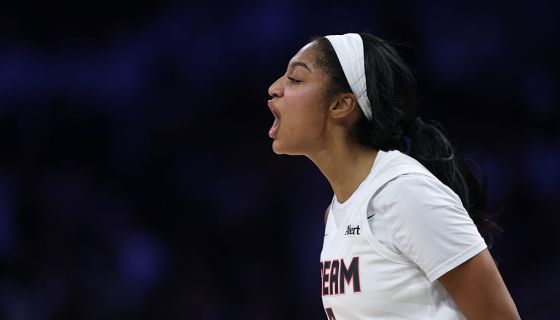
Under the bright lights of the WNBA arena, amidst the roars of passionate fans, there was a moment that felt transcendent. Angel Reese, in her prime, executed a perfect game, leaving opponents and spectators alike in awe. She wasn’t just scoring; she was rewriting narratives. This isn’t just about basketball; it’s about what her performance represents in a league that has historically been shadowed by biases and systemic hurdles, especially for Black women athletes. Reese's presence on the court echoed much deeper than the scoreboard.
Meanwhile, Kelsey Mitchell positioned herself in the annals of history, etching her name as one of the league's all-time greats. As the playoff picture began to take shape, seven teams solidified their spots, and the pressure mounted for the remaining contenders. The stakes couldn't be higher, as athletes faced not only the challenge of their opponents but also the weight of expectations that come with being a Black athlete in a predominantly white sports landscape.
The 2026 WNBA season has been an awakening. There’s a palpable shift in the air, a sense of urgency that transcends the hardwood. Within this, the Black athletes are not just players; they are symbols of resilience and power. Angel Reese's perfect performance serves as a reminder that excellence can shine brightly, even when the odds are stacked against you. In a sport that fights for visibility and equity, her game transcended personal achievement. It was a message to the world: Black women can dominate on any stage.
However, the sports media landscape often fails to provide the necessary context around such performances. The reality is that Reese and others like her are not just athletes; they are pioneers navigating a maze of stereotypes and expectations. The money and visibility that come with success in sports are often offset by the pressure to conform to narratives that downplay their capabilities, especially when they deviate from the hyper-feminine portrayals often assigned to women in sports.
Mitchell’s historical milestone is equally significant. As she made her mark, it wasn’t just about the numbers. It was about being a trailblazer who continues to redefine what it means to play in the WNBA. Her success pushes against the stereotypes that have long haunted Black athletes, suggesting they can excel but must also fit into a certain box. This notion is particularly damaging as it impacts how Black athletes perceive their worth and how they’re viewed by others.
The WNBA has always been a stage for activism. As the league gains momentum heading into the playoffs, the narratives surrounding these athletes are crucial. They are not only playing for a championship; they are playing for representation, for visibility, and for recognition in a society that often overlooks their contributions. As the league expands and evolves, these women are at the forefront, demanding respect and recognition. They understand the power of their platforms, and they’re using them.
In moments like these, it’s essential to reflect on the historical context. The struggle for equality in sports is not new. From the days of the late, great Maya Moore defying norms and making waves off the court to the current generation of young athletes like Reese and Mitchell, the fight continues. The WNBA represents a microcosm of the broader battle for recognition and equality in sports, where Black excellence is often met with skepticism and, at times, hostility.
As the playoffs loom, it’s critical to pay attention to how narratives are framed. The media's role can often shift the focus from celebration to scrutiny, especially when it comes to Black athletes. The pressure to perform can lead to mental and emotional strain, particularly for athletes like Reese who are scrutinized at every turn. Every missed opportunity or perceived mistake is amplified, while success is often downplayed or tied to external factors rather than their skill and hard work.
The future is bright for the WNBA, but it’s also fraught with challenges. As teams like Dallas and Portland fight for the final playoff spot, there’s an underlying question: how will these athletes continue to navigate their journeys amidst the complexities of race, gender, and sport? The league must not only celebrate their successes but also create spaces where they can thrive without the weight of societal expectations holding them back.
This moment, filled with promise and challenge, lays the groundwork for what’s next. As fans, it’s vital to engage with these stories beyond the box score. The realities Black athletes face extend far beyond the court or field. It’s about representation, opportunity, and the right to be seen and celebrated for their talents. With the playoff field shaping up, the question remains: how will these narratives evolve? Will we continue to see Black women like Reese and Mitchell rewriting the rulebook, or will they be boxed in by the limitations of a system that has historically marginalized their voices?
As the WNBA enters the playoff gauntlet, all eyes should be on these outstanding athletes. Their journeys reflect the broader struggles of Black athletes striving for success in an industry where systemic barriers are still prevalent. The pressure is real, but so is the potential for greatness. Each game is an opportunity not just for individual glory, but also for a collective rise, pushing against the confines of a dominant narrative that often seeks to undermine their achievements.
The WNBA is more than a league; it represents a movement. Those who follow the journey of these athletes must commit to amplifying their stories, celebrating their victories, and acknowledging the systemic challenges they face. As the dust settles over the 2026 season, remember that each perfect game and every historical achievement is a step toward dismantling the barriers that have long kept Black athletes from their rightful place in the spotlight.