By Andre Coleman, PowerVault Staff
The air was electric. A sea of purple and gold filled the arena, the kind of fervor you can feel in your bones. The spotlight was on the court, where young women were not just playing basketball; they were rewriting narratives long held by a sports industry that often overlooks their brilliance. It was the much-anticipated clash between the Dallas Wings and the Minnesota Lynx, and all eyes were glued to Caitlin Clark, the WNBA rookie who promised to change everything. Fans cheered as she hit a three-pointer that left the crowd in awe, sending shockwaves through an arena that was already charged with anticipation. This was not just another game; this was history in the making.
As Clark emerged on the scene, the buzz wasn’t just about her stats, impressive as they were. It was about what she represented for a league that has often been marginalized in conversations about professional sports. The WNBA has endured years of being a side note, yet here in front of a raucous crowd, Clark stood as a symbol of potential and promise. In her historic debut, she dropped 44 points, breaking rookie records and drawing comparisons to legends. This was more than just personal achievement; it was part of a larger narrative suffused with the challenges and triumphs faced by Black athletes in predominantly white sports.
The WNBA has long navigated a complex landscape. On one side, it fights tooth and nail for recognition and respect in a world that often relegates women’s sports to the background. On the other, there exists a profound richness in the stories of its players, many of whom have continuously pushed against the grain of societal expectations. Caitlin Clark's achievements bring to the forefront a critical conversation about representation, opportunity, and equity in sports. It’s not lost on fans that her stardom shines a light on the ongoing struggle for visibility that Black athletes in all sports face, as they strive to break through barriers both on and off the court.
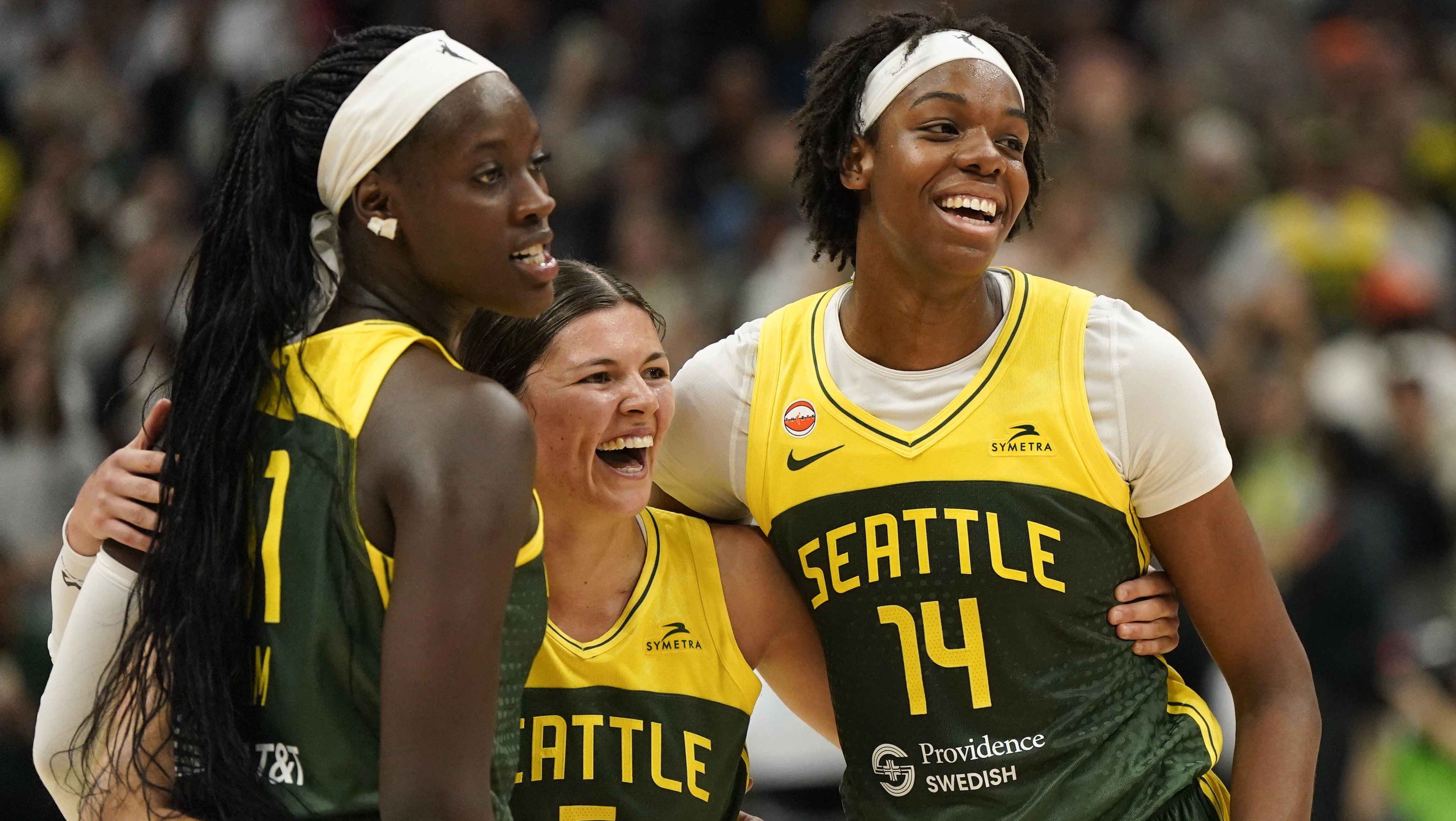
Clark's arrival coincides with a moment in the WNBA where the spotlight is finally where it needs to be. This season has seen a resurgence in talent that echoes the league’s rich history while simultaneously pushing its boundaries. From players like Arike Ogunbowale, who has electrified the court for the Wings, to Allisha Gray, there’s a significant drive to showcase not only skill but a narrative that resonates with fans. These women are not just athletes; they are role models speaking to a generation about resilience, passion, and purpose. However, the systemic challenges persist. Even as the WNBA celebrates its stars, there are subtler undertones of inequality that still pervade the league.
Consider the contracts and sponsorship deals. The pay gap between the WNBA and the NBA continues to be a glaring disparity, one that’s hard to ignore. While players like Clark garner attention and accolades, many of their counterparts still struggle to make ends meet, despite their immense contributions to the game. The financial support from sponsors has not kept pace with the proliferation of talent showcased each season. The WNBA has made strides, but the reality of where these athletes stand in terms of compensation often feels like a lingering shadow over their success.
This disparity does not merely reflect a business model; it speaks volumes about society's valuation of women in sports and the systemic issues that uphold these inequities. A primary concern is the larger societal context in which Black female athletes operate. When they excel, it can be a double-edged sword. Their success often becomes a talking point, a way for the mainstream media to showcase 'progress,' yet the systemic barriers remain largely intact. Black women in sports face a unique set of challenges, grappling not only with expectations and biases but also with the need to represent a community that has historically been sidelined.
What makes this moment even more significant is the visibility of the WNBA's budding stars like Caitlin Clark. She is not merely a flashpoint of talent; she embodies a growing movement within women's sports. As more fans tune in, as more organizations recognize the value of women's sports, the question emerges: will this newfound focus on the WNBA translate into a more equitable future for its players? How will the league and its stakeholders ensure that the hard work, dedication, and excellence of Black athletes are properly compensated and celebrated?
Moreover, Clark's rise can symbolize hope for young Black girls dreaming of making it in sports, not just in basketball but in all arenas. Her story resonates, as it reflects a broader cultural shift towards equity and acknowledgment of talent, regardless of gender or race. This moment in the WNBA offers a glimpse into how the landscape can change when voices are amplified and diversity is celebrated.
Looking ahead, the trajectory of the WNBA will be crucial to watch. With Clark's impactful debut, the narrative is shifting. Fans are demanding more, and sponsorships are starting to follow suit. It’s vital for the league to capitalize on this momentum and push for a future where Black women are not just celebrated for their athleticism but are also equitably compensated for their contributions. The ripple effect of this could reshape not just the WNBA but also influence how all female athletes are perceived and treated across sports.
In a world that often seeks to silence marginalized voices, the WNBA stands as a beacon of what can be achieved when athletes dare to excel. Caitlin Clark's debut is just the beginning of a rich narrative that intertwines with the quests for equity and representation. As fans, communities, and the sports industry rally around these athletes, it becomes essential to challenge the status quo, advocate for fairness, and uphold the spirit of the game. The challenge lies not just in celebrating these moments but in sustaining this energy long after the final buzzer sounds. The rise of the WNBA, marked by Clark and her peers, is not just about basketball. It’s about redefining narratives, uplifting voices, and ensuring that the history of this era reflects the resilience and brilliance of Black athletes who continue to break barriers and rewrite the rules of the game.