Deshaun Watson's Complicated Legacy: Can Fans Support a Quarterback With a Troubled Past?
By Simone Walker, PowerVault Staff The air buzzed with anticipation at FirstEnergy Stadium as the Cleveland Browns prepared for the upcoming season. Fans were ready for the return of football, but amidst the excitemen...
By Simone Walker, PowerVault Staff
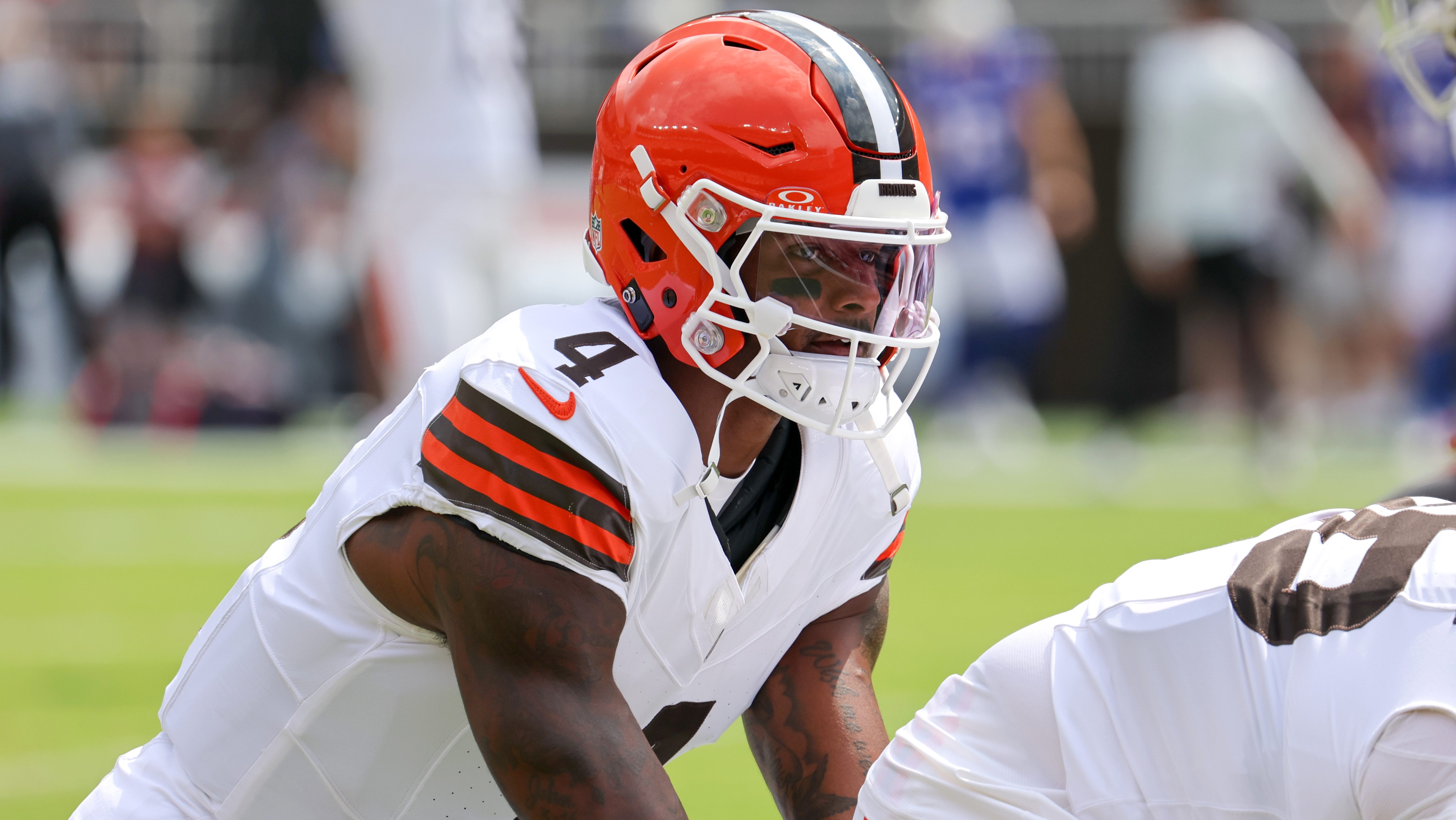
The air buzzed with anticipation at FirstEnergy Stadium as the Cleveland Browns prepared for the upcoming season. Fans were ready for the return of football, but amidst the excitement, a storm of controversy loomed over the franchise. Deshaun Watson, once a beacon of hope for the team, stood at the center of an ethical quagmire. How does one reconcile the desire for a winning quarterback with the weight of his troubling past? This isn’t just about football; it’s a moral dilemma that reverberates through our community, one that forces us to confront uncomfortable truths.
Watson’s journey has been anything but straightforward. After a series of civil lawsuits alleging sexual misconduct, his reputation took a massive hit. He was suspended for a significant portion of the previous season due to these allegations, leaving many to wonder if he deserved a second chance. Yet, here we are, with Watson officially named the Browns' starting quarterback as the season kicks off. This decision has split fans down the middle, igniting passionate debates across social media. Can you genuinely support a player while grappling with the implications of his past? Does cheering for him mean endorsing bad behavior?
This conflict is particularly pronounced within the Black community, where the stakes are higher. Watson's story isn’t just about one man; it mirrors a larger narrative involving Black athletes navigating predominantly white institutions. A player’s success can lead to increased visibility and representation, but it can also amplify discussions regarding accountability and the historical treatment of Black men within sports. For many fans, supporting Watson on the field feels like a betrayal of the values that we hold dear off the field.
In the NFL, where a player's conduct is often swept under the rug in favor of sheer talent, the contrast couldn't be starker. Watson's past raises critical questions about the league's priorities. Are we valuing performance over integrity? The answer seems to lie in how franchises prioritize marketability over morality. This pattern has long been evident: players like Ray Rice and Antonio Brown faced consequences, but only after their actions became impossible to ignore. For Watson, the legal battles have been tumultuous, yet he remains at the helm of a franchise desperate for wins.
While some Browns fans have embraced Watson as their quarterback, others remain staunchly opposed, viewing his actions as reprehensible. The Browns organization has made their choice, banking on Watson's ability to help them compete in the fiercely competitive AFC North. That decision speaks volumes to the influence of status and money in the sports industry. The narrative of redemption is a powerful one, but it becomes deeply problematic when the same system that benefits from a player's prowess doesn't demand accountability for their actions.
The response to Watson’s past is also a reflection of the broader racial dynamics at play. In sports, Black athletes often face harsher scrutiny for their off-field behavior compared to their white counterparts. The fact that a predominantly Black audience is grappling with this situation underscores the complexities of race within a white-dominated NFL. Many fans are forced to choose between their loyalty to a team and their principles, a dilemma that is not lost on the players themselves. Watson's situation exemplifies how the weight of expectations can be drastically different for Black athletes versus their peers.
Moreover, the cultural implications surrounding this moral dilemma extend beyond Cleveland. The NFL claims to promote a culture of inclusivity and accountability, but instances like Watson’s raise the question of whether these values are genuinely held or merely performative. Fans are left to grapple with the contradiction between the league’s message and its actions, creating a fractured relationship with a sport that many love deeply.
Watson, for his part, has made attempts to rehabilitate his image. He has expressed remorse, although the sincerity of these statements remains open to interpretation. His path to redemption is fraught with obstacles, and the pressure to perform is immense. The clearest barometer of success will be wins on the field. But the question remains: what will it take for Watson to regain the trust of his supporters?
The Cleveland Browns as an organization have a history of struggles and missteps. They have endeavored to reclaim their identity as a respected franchise but have repeatedly fallen short. By placing their faith in Watson, they are taking a gamble, one that could either pay off with playoff success or result in further scandal. The pressure is on not just for Watson, but for the team and its fan base. This is more than a football season; it's a test of character.
As the season unfolds, all eyes will be on Watson. The hope for Browns fans is that he can put the past behind him and lead them to glory, but there’s also a palpable fear that the shadows of former allegations will loom large. Each game will serve as a microcosm of the larger conversation about accountability, race, and the nature of redemption in sports.
Ultimately, this moral dilemma forces fans to confront the realities of their identities as supporters. Are they willing to compartmentalize Watson's past for the sake of their team’s success? Or will they choose to hold him accountable for his actions, demanding more from the players they root for? As Watson takes to the field, the stakes extend well beyond touchdowns and wins; they touch on the very foundations of what it means to support an athlete in the complex landscape of professional sports.
Going forward, fans must engage in the broader conversation about accountability, ethics, and the representation of Black athletes in sports. As the NFL encourages stories of redemption and resilience, it also has a responsibility to ensure that such narratives are grounded in genuine reflection and change. Only then can the sport evolve into a space that values both talent and integrity, allowing fans to support their teams without compromising their values. It’s time for everyone involved to hold the conversation and ultimately reshape the culture that exists within the league.