HBCU Football: A New Era Begins and the Talent That Could Change the Game
By Renee Fontaine, PowerVault Staff The sun beats down on Bobby Dodd Stadium in Atlanta, where the air crackles with anticipation. Fans sporting Howard University colors mesh with Alabama A&M supporters as the whistle...
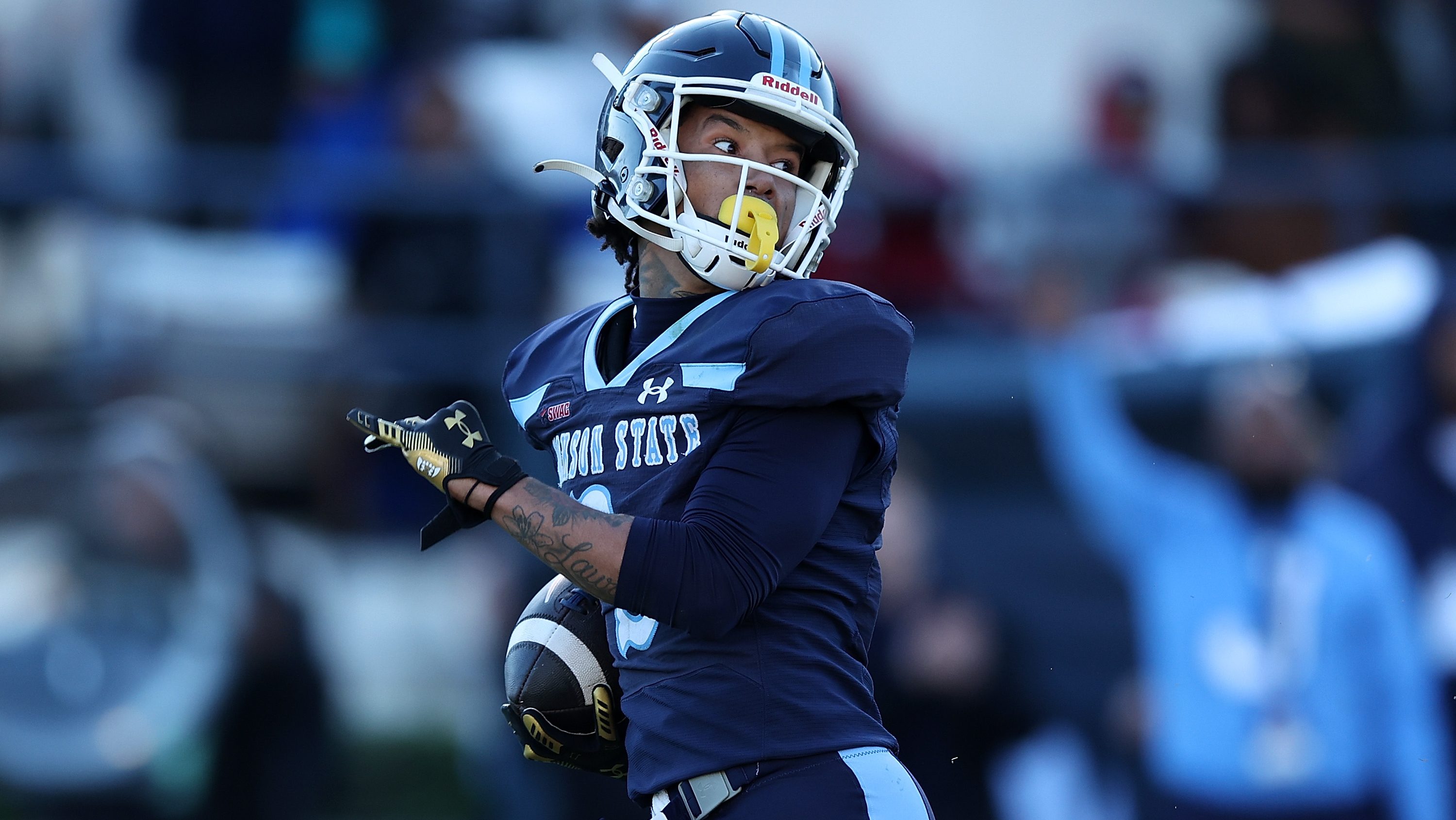
By Renee Fontaine, PowerVault Staff
The sun beats down on Bobby Dodd Stadium in Atlanta, where the air crackles with anticipation. Fans sporting Howard University colors mesh with Alabama A&M supporters as the whistle blows, marking the beginning of the 2026 HBCU football season. This isn't just a game; it's a spectacle layered with history, hope, and a collective yearning to see Black athletes succeed within a system that has often overlooked their talents. As Howard faces off against Alabama A&M, the stage is set for athletes who are not merely looking to play but looking to redefine what success looks like in college football.
At the heart of this burgeoning narrative is a host of players who possess the skill and grit to leave a lasting impact on the field. The Southwestern Athletic Conference and Mid-Eastern Athletic Conference are loaded with returning talent, and the stakes couldn't be higher. Coaches and scouts alike are tuning in, knowing that the next greats in football could emerge from these storied programs, which have been instrumental in nurturing young Black talent often denied opportunities in larger, predominantly white institutions.
For many years, the narrative surrounding HBCU football was one of struggle,underfunded programs, outdated facilities, and a pervasive belief that these schools couldn't compete with their Power Five counterparts. But as the tide shifts, with increasing visibility and support for HBCU programs, those narratives are being rewritten. More eyes are on the sidelines, and more dollars are flowing into these institutions, spurred by movements advocating for equity and recognition.
Howard's new head coach, Ted White, is emblematic of this change. A former NFL quarterback, White understands the landscape from both a player's and a coach's perspective. He knows the challenges his athletes face, entrenched in a culture often less forgiving of their missteps compared to their counterparts in predominantly white institutions. His arrival signifies not just a change in leadership but a beacon of hope for athletes who have often had to fight harder for the same recognition that others receive freely.
On the field, players like Alabama A&M's Eden James step into the spotlight with aspirations beyond football. The son of NFL legend Edgerrin James, Eden carries not just a legacy but also the weight of expectations. As Black athletes, they know the eyes of the world are upon them, and every move is dissected. Their performance is about more than just winning games; it's a chance to challenge stereotypes, to showcase the potency of talent that has long been relegated to the margins.
The cultural significance of HBCUs in American history cannot be overstated. These institutions have been a haven for artistic expression, intellectual pursuit, and athletic excellence for generations. In a society where Black success is often met with skepticism, HBCUs have produced icons across all sectors, including the NFL. The fight for recognition and respect has always been a part of the HBCU ethos, and as we creep into a new season, there's a palpable sense of camaraderie among these players, knowing they represent not just their schools but their communities.
It's crucial to highlight the systemic challenges that still exist. While the media has started to pay attention to the talent at HBCUs, the question remains: will this newfound spotlight translate into real opportunities? The gap in resources compared to Power Five conferences is still significant, and the pressure on these players to perform at elite levels can be overwhelming. They carry the weight of their communities, the legacy of their institutions, and the hopes of future generations who look up to them. Failing to succeed means not just a missed opportunity for personal accolades but a setback for young athletes dreaming of following in their footsteps.
As the season unfolds, fans must ask themselves what it truly means for Black athletes to excel in a landscape that often feels hostile. The pressure cooker of expectations, the relentless scrutiny from media and fans, and the overarching dynamics of race and class create a unique environment for these players. They are not just competing against other teams; they are battling against a legacy of systemic inequity and striving to carve out a space for themselves. HBCUs offer a unique platform to showcase their skills but also come with their own set of challenges that cannot be ignored.
The upcoming showdown between Alabama A&M and Howard is not merely about the scoreboard; it reflects a larger cultural shift that is slowly taking shape. With growing support from the NFL, businesses, and communities rallying behind HBCU programs, there is hope that this season could be a transformative one. Investors are beginning to recognize the untapped potential and rich tradition of HBCU football, which could lead to improvements in facilities, recruitment, and ultimately, a higher caliber of play.
However, as the fanfare builds, so does the need for accountability. The commitment to uplift HBCUs must transcend token gestures and superficial support. The industry must assure that resources and opportunities are distributed equitably, allowing these athletes not just a chance to compete but a genuine path to success in their careers, whether that leads to the NFL or into other forms of professional achievement. The stakes are high: the future of Black athletes hinges on how they are perceived today.
As the whistle blows and the season kicks off, the focus should be on more than just touchdowns and tackles. It should be about recognizing the broader implications of HBCU football on society, the culture, and the narrative of Black excellence. Fans must engage with the stories behind the names on the jerseys and the struggles that have shaped these young men into who they are.
This season marks an inflection point in HBCU football. It is an opportunity not only for players to showcase their talents but for everyone involved to redefine what it means to be successful in a world that has often been dismissive of Black greatness. The hope is that this season can serve as a springboard for further progress in both sports and in the broader society. How will fans, the media, and the institutions respond? As the season unfolds, all eyes are on HBCU football,this is just the beginning of a new chapter, and it’s time to pay attention.