Keffe D on Trial: Will the Truth about Tupac's Murder Finally Emerge?
By Renee Fontaine, PowerVault Staff The lights of Las Vegas blinked against the night sky on September 7, 1996, but for many, the promise of a vibrant future dimmed when Tupac Shakur was gunned down in a drive-by shoo...
By Renee Fontaine, PowerVault Staff
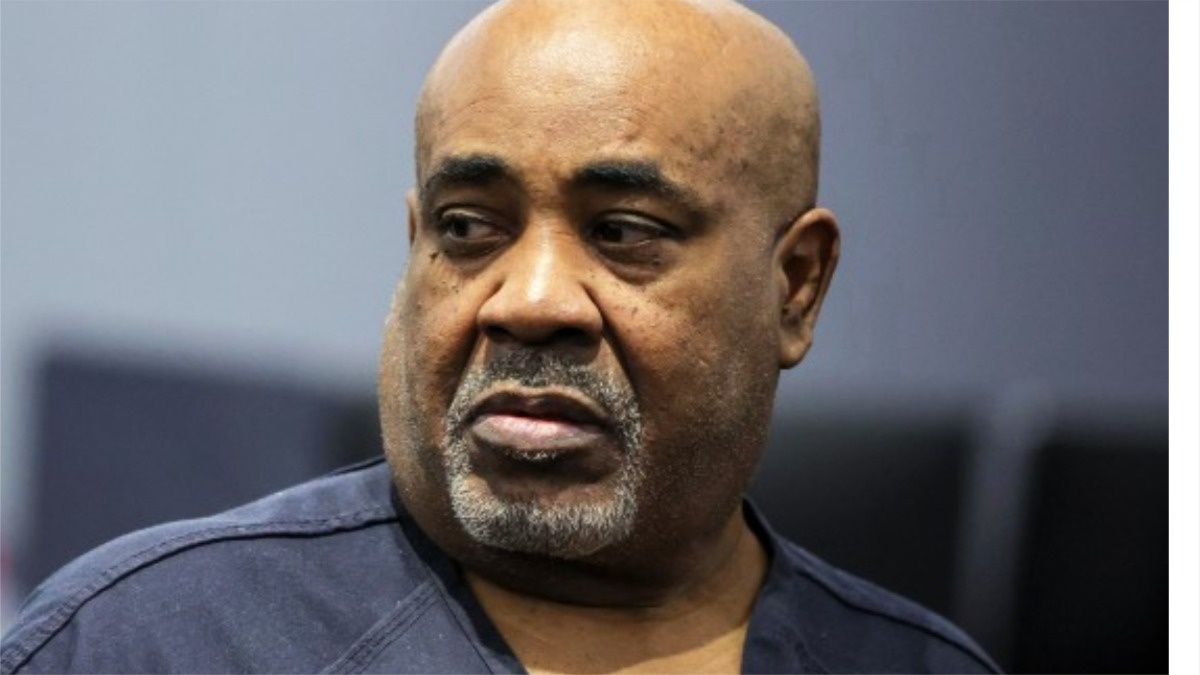
The lights of Las Vegas blinked against the night sky on September 7, 1996, but for many, the promise of a vibrant future dimmed when Tupac Shakur was gunned down in a drive-by shooting. Nearly three decades later, the trial of Duane 'Keffe D' Davis, the man charged with orchestrating Tupac's murder, begins. As court proceedings unfold, the specter of Tupac's legacy looms large, and the question arises: will justice finally prevail?
Davis, 63, stands accused of murder with the use of a deadly weapon in furtherance of a criminal gang. The implications of his charge are profound, not just for his own fate, but for the countless lives forever altered by Tupac's death. Despite his indictment, Keffe D has publicly claimed a different narrative, asserting that he is not the true perpetrator and that prosecutors have arrested the wrong person. His assertions call into question the motives behind the decades-long investigation and the systemic failures that have allowed this case to languish.
From the outset, the investigation into Tupac's murder has been marred by controversy. The police's initial response was criticized as insufficient, leading to accusations of negligence and incompetence. Over the years, various individuals have come forward with their own hypotheses regarding the crime, many of them conflicting. This trial could serve as a reckoning not just for Keffe D, but for a justice system that often seems more focused on narrative and celebrity than on exposing the truth.
As the trial begins, the courtroom will likely serve as a battleground for competing narratives. On one side stands the state, armed with evidence and a desire for accountability. On the other, a man who claims innocence and asserts that the truth is deeper than the charges against him. This tension encapsulates a larger issue: the way the justice system often fails to deliver clarity in the most chaotic of circumstances.
The cultural significance of Tupac's life and death extends far beyond the music charts. He represented the voice of a generation grappling with systemic racism and violence. His lyrics spoke to the struggles of marginalized communities while challenging the societal status quo. Thus, his murder is not merely a criminal case; it is a reflection of systemic issues in policing and justice in America that continue to this day.
The racial undertones of Tupac's murder and the subsequent investigation cannot be overlooked. The narrative surrounding police engagement with Black communities has long been fraught with tension and distrust. The initial investigation into Tupac’s shooting was riddled with failures, raising questions about whether the authorities were adequately equipped or willing to seek justice for a Black man gunned down in a major American city. The disparity in the resources allocated to solving cases involving marginalized individuals compared to those involving more privileged victims speaks volumes about a systemic bias that pervades the justice system.
Moreover, the rise of gang culture in the 1990s created an environment where stories of violence became almost normalized, particularly in the context of hip-hop. The media often painted narratives of gang affiliations and rivalries, which sometimes overshadowed the individual tragedies and losses that resulted from this violence. In Tupac's case, his very identity became entangled in the mythology of street life, further complicating the pursuit of justice. Keffe D's claims of fiction surrounding his confessions may serve as an attempt to reframe that narrative, but it does not escape the harsh reality of a life lost.
The upcoming trial is expected to reveal more than just the circumstances surrounding Tupac's murder; it is an opportunity to examine the failures of the justice system itself. The question lingers: after decades of speculation, who truly benefits from the continued obscurity of the facts? Is it the individuals who perpetuate the cycle of violence, or is it the justice system that has repeatedly failed to deliver accountability?
As this trial unfolds, the eyes of the world will turn to the courtroom, and the legacy of Tupac Shakur will continue to shape the narrative. Whether Keffe D's claims hold merit or are mere distractions, the case invites a broader reflection on justice, representation, and the pursuit of truth. The trial may very well serve as a litmus test for the current state of the judicial system and its ability to confront its past failures.
The stakes are high, not just for Keffe D and the prosecutors, but for all those who continue to seek justice for Tupac Shakur and those who have suffered similar fates. The outcome of this trial may not only determine the future of one man but could also signal a turning point in how society reckons with its history of violence, racial injustice, and the ongoing quest for truth.
As we await the revelations that this trial may bring, it remains imperative for the cultural conversation around Tupac's legacy to push beyond music and celebrity. It must probe the systemic failures that allowed his murder to go unresolved for so long. The trial is a chance for the community to demand not just accountability for Keffe D, but accountability from a system that has let many down. The truth, however complex it may be, deserves to be uncovered.