Ex-Cop Christopher Gillum's Planned Mass Shooting Against Black People: What Does This Say About Amerikkka?
By PVN Staff · August 31, 2026 · Depths of Evidence
By Simone Walker, PowerVault Staff
The sun was setting over New Orleans, casting long shadows on the vibrant city, a place known for its rich culture and soul-stirring music. But beneath the surface, a sinister plot was allegedly unfolding , one that could have turned a celebrated festival into a scene of unimaginable tragedy. Christopher Gillum, a former police officer, was accused of planning a mass shooting targeting Black people. The shocking part? He walked free after a grand jury found insufficient evidence to charge him with state terrorism.
In an era where viral news cycles can make or break public perception, this story feels like a punch to the gut. It's yet another bitter reminder of how systemic racism continues to rear its ugly head in the so-called land of the free. Imagine the outrage if roles were reversed, and this was a Black man plotting violence against any other race. The narrative would be different, the response swifter, the consequences harsher.
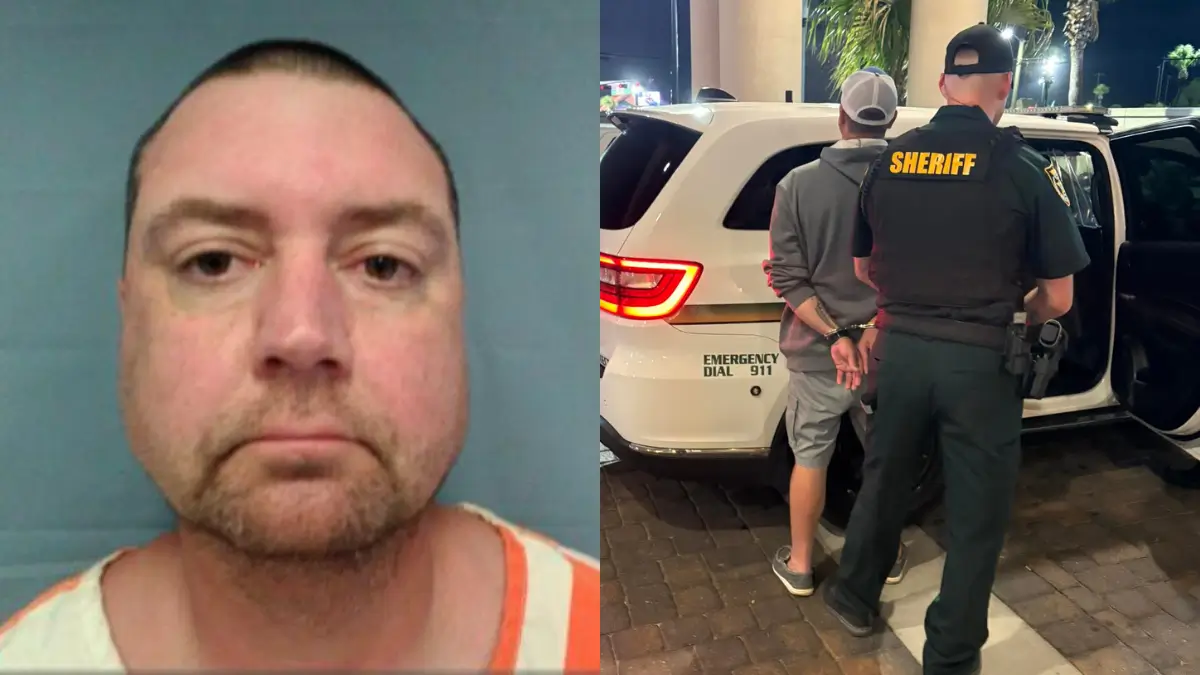
Gillum was arrested in April a hotel in Destin, Florida, with a cache of over 200 rounds of ammunition. Law enforcement officials detailed his disturbing discussions about harming Black people at the New Orleans festival. Yet, as reported by the Atlanta Black Star, the justice system allowed him to slip through its fingers, citing a lack of evidence. The decision by the Louisiana grand jury feels like salt in the wound for those tirelessly fighting for equality and safety in our communities.
This case isn't just about one man’s vile intent; it's a chilling example of how Black lives are often devalued and dismissed. The same system that should protect us seems to have a blind spot when it comes to crimes against Black people. Gillum's release is a stark reminder of America’s two-tiered justice system , one for us and another for them.
Think about it. The very institutions built to uphold justice and maintain order often end up perpetuating the very injustices they claim to fight. This isn't an isolated incident; it's part of a larger pattern where Black pain is minimized, where Black threats are magnified, and where Black potential is stifled.
It's no secret that this isn't just about Gillum. It's about the pervasive fear that permeates Black existence in America. It's about the mothers praying their sons come home safe, the fathers teaching their children survival tactics for police encounters, and the endless cycle of trauma that's passed down through generations. The fact that someone with Gillum's background and alleged intentions could even momentarily escape accountability speaks volumes.
And then there's the media. Often, stories involving Black victims and white perpetrators are buried beneath the latest celebrity scandal or political drama. As Black-owned media, we're here to say enough is enough. We're shining a light on this injustice, asking the questions mainstream outlets won't, and holding the powers that be accountable.
The social dynamics at play here are intricate and deep-rooted. The racial undertones of Gillum's alleged plot highlight the persistent threat of white supremacy in our society. It's a toxic ideology that continues to find a foothold, often ignored or downplayed by those with the privilege to remain unaffected. But for us, there's no looking away. This is our reality , our fight for survival, for respect, for equality.
So, what happens next? Will we continue to let stories like this fade into obscurity, or will we rise up, demand answers, and push for change? It's time for us to take control of the narrative, to push for reforms in a system that wasn't built to protect us, to challenge a culture that too often looks the other way.
This isn't just a moment; it's a movement. Let's keep the conversation going , not just for Gillum's victims who thankfully were spared, but for all the Black lives that remain undervalued. We owe it to ourselves, our ancestors, and our future generations to keep fighting, to keep demanding more, and to never settle for less than the justice and equality we deserve.