Angel Reese's 'Protect Black Women' Shirt: More Than a Statement Before WNBA Finals Game 5
By Tanya Brooks, PowerVault Staff Angel Reese arrived at the pinnacle of the WNBA season with more than just her game face. The Atlanta Dream star turned heads before Game 5 of the WNBA Finals by donning a T-shirt emb...
Advertisement

By Tanya Brooks, PowerVault Staff
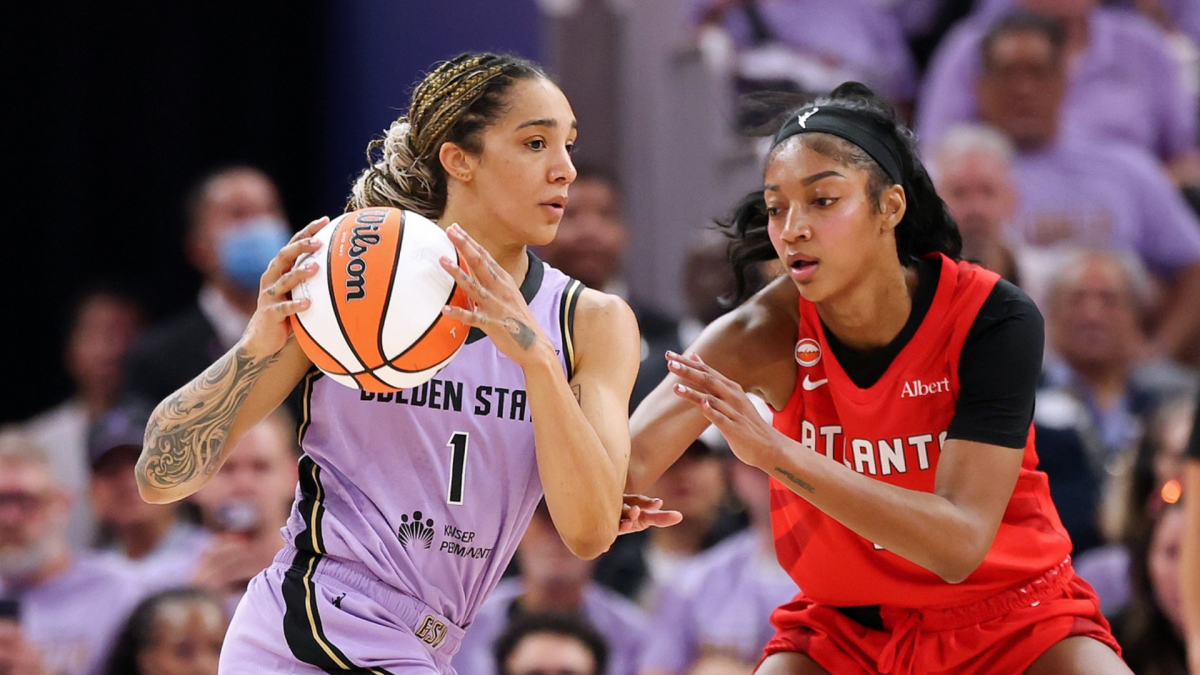
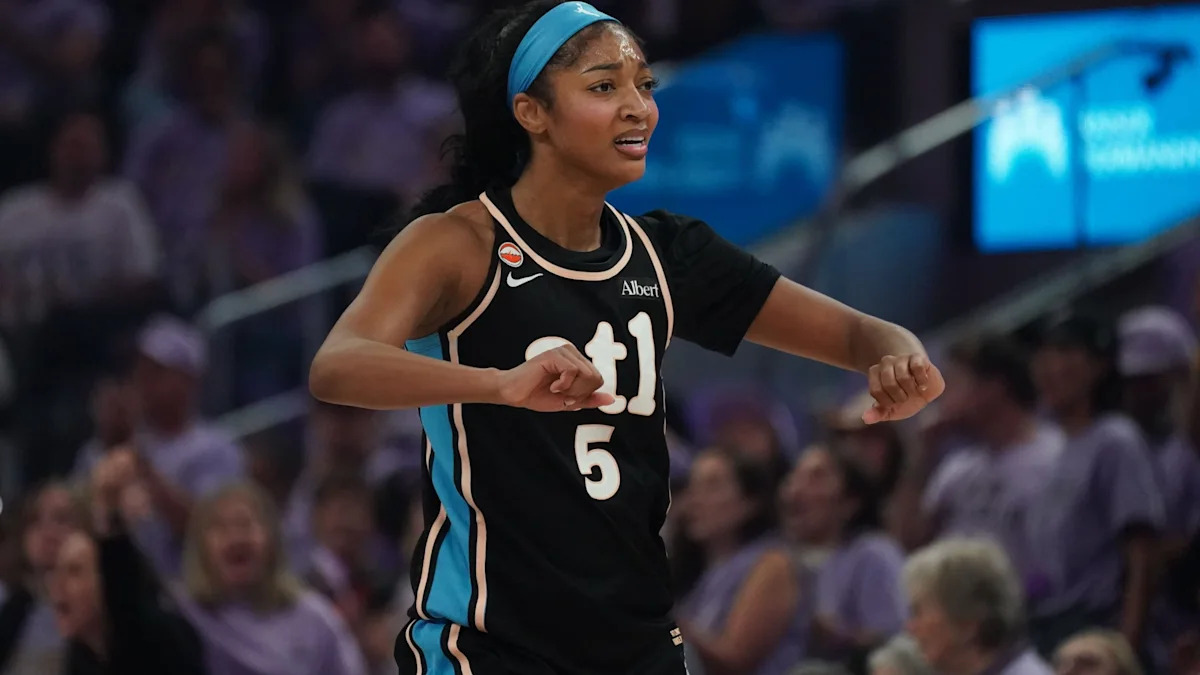
Angel Reese arrived at the pinnacle of the WNBA season with more than just her game face. The Atlanta Dream star turned heads before Game 5 of the WNBA Finals by donning a T-shirt emblazoned with the words "Protect Black Women." This sartorial choice wasn't merely a fashion statement; it was a powerful declaration of identity and intent. In a league that constantly fights for visibility and respect, Reese's message resonated deeply, reminding everyone of the ongoing struggle for recognition that Black women face both on and off the court. Her decision to wear the shirt was a calculated move, aimed at sparking conversation and demanding acknowledgment of the unique challenges Black women encounter in the sports world.
As reported by Sports Illustrated, Reese’s choice of attire was as much a rallying cry as it was a reminder of the systemic issues at play. At a time when Black women are often marginalized, even amid their achievements, her statement was an act of defiance and solidarity with those who have been overlooked or oppressed. The WNBA, while a beacon of diversity and inclusion, isn't immune to the broader societal issues that affect its players, who still face significant barriers to true equality. Reese’s fashion choice was her own form of protest, an expression of a truth that’s all too familiar in the world of sports and beyond, where Black women must repeatedly assert their worth and demand the respect they deserve.
Reese, known for her unyielding spirit on the court, brought that same energy off the court, amplifying a message often drowned out by the noise of the mainstream sports media. Her actions before the game were a bold reminder that beneath the athlete is a person with a voice and a cause, a person who refuses to be silenced or sidelined. The shirt she wore was not just about making a statement but about fostering a dialogue around the challenges Black women face in sports and society at large. The tweet linked below shows the response and the buzz it generated online, as fans and followers rallied around her message, recognizing the importance of what she had to say and the courage it took to say it.
Her decision to wear the shirt wasn’t just about style; it was a statement on the systemic challenges Black women face in sports. Reese’s message came at a time when the sports world is grappling with issues of race, gender, and equity. From pay disparities to media representation, Black female athletes continue to fight for the same recognition and respect as their counterparts, who often enjoy more visibility and financial reward. Reese's choice to highlight these disparities wasn't just a personal stance but a call to action for everyone involved in sports to acknowledge and address the inequities that persist, ensuring that Black women receive the same opportunities and accolades as others in the field.
In the WNBA, these challenges are particularly pronounced. Players like Reese are not just battling for points on the scoreboard but for a more equitable playing field, where their efforts are valued and compensated fairly. As they push for higher salaries and better media coverage, their struggle is emblematic of a broader fight for justice and equality that resonates beyond the confines of the basketball court. The tweet below shows what is often at stake, highlighting the tension between the league's progressive image and the reality its players face, where advocacy is as much a part of their job as their athletic performance. Reese's actions serve as a poignant reminder of the work still needed to achieve true equality.
To fully grasp the weight of Reese’s statement, consider the historical context. The call to 'Protect Black Women' echoes back to the Civil Rights movement, when figures like Fannie Lou Hamer and Angela Davis emphasized the importance of centering Black women in the fight for equality. In sports, the narrative is no different. From Wilma Rudolph in the 1960s to Serena Williams today, Black women athletes have long fought not only against their competitors but also against systemic biases that seek to diminish their achievements and undermine their contributions. In 2023, Reese is not just a player; she's part of a legacy of women who have stood at the forefront of change, demanding respect and recognition in a world that often ignores their voices.
But here's the shift: Reese's message is more relevant now than ever.
Reese's bold message highlights the dual pressures of being an athlete and an advocate within a system that often prioritizes profit over people.
This is more than about Reese. It's about the message she's sending to the younger generation watching her, the young Black girls who see themselves in her and are inspired by her courage. In a culture that often sidelines women's voices, especially Black women's voices, Reese has become a symbol of resilience and strength, showing that it’s possible to excel both as an athlete and an advocate. Her shirt was a reminder that advocacy in sports doesn’t stop at the edge of the court but extends into every aspect of life. For young Black girls who idolize her, it was a lesson in courage and conviction, teaching them that their voices matter and that they too can be agents of change in their communities.
For the WNBA, her message is a call to action. The league, which prides itself on progressive stances and community engagement, must now confront these issues more directly and with greater urgency. Reese’s bold message highlights the dual pressures of being an athlete and an advocate within a system that often prioritizes profit over people, challenging the WNBA to live up to its ideals of inclusivity and equality. As the league grows in prominence and influence, so too does its responsibility to ensure that its players are supported and valued both on and off the court. The video below captures the candid reactions of fans and players alike, underscoring the impact of Reese’s statement and the broader need for systemic change.
For the broader sports community, Reese’s statement is a challenge to examine its own biases and shortcomings. While the NBA and NFL boast lucrative contracts and global visibility, the WNBA still grapples with financial struggles and inadequate media coverage, highlighting a stark disparity in how male and female athletes are treated. Reese's actions serve as a reminder that the fight for equality extends beyond the court and into the very structures that define professional sports. It’s about creating a sports industry that values all its athletes equally, regardless of gender or race, and ensuring that the voices of Black women are heard and respected in every arena. Her message demands a reevaluation of priorities and a commitment to genuine equity.
Advertisement
On a deeper level, Reese's actions expose the racial and gender dynamics at play in sports, where Black women athletes are often scrutinized more harshly, their achievements overshadowed by controversy or criticism. Yet, they remain unwavering in their pursuit of excellence and advocacy, challenging the status quo and demanding the respect they deserve. Reese’s T-shirt was more than just a piece of clothing; it was a statement against these ingrained disparities, a call for a shift in how Black women are perceived and treated within the sports industry. Her bold stance serves as a beacon of hope and proof of the resilience of those who continue to fight for justice in the face of adversity.
As the WNBA Finals conclude and the season wraps up, the impact of Reese’s statement lingers, serving as a powerful reminder of the work that remains to be done. For the WNBA and its fans, the challenge is to turn these words into action, to create a league that truly values and protects its players, ensuring that their voices are heard and their contributions acknowledged. Reese’s message is a rallying call for change and reflection, urging everyone involved to consider what more can be done to support Black women in sports. And as the off-season begins, the conversation she started is far from over, continuing to inspire and provoke thought long after the final buzzer has sounded.