
B2K Returns With Eclipse: Can the Reunion Outlast Hype?
By Renee Fontaine, PowerVault Staff B2K has released “Eclipse,” a 12 track album ending a gap of more than two decades between studio projects. Their last full length release was “Pandemonium!” in 2003, before streami...
Advertisement

By Renee Fontaine, PowerVault Staff
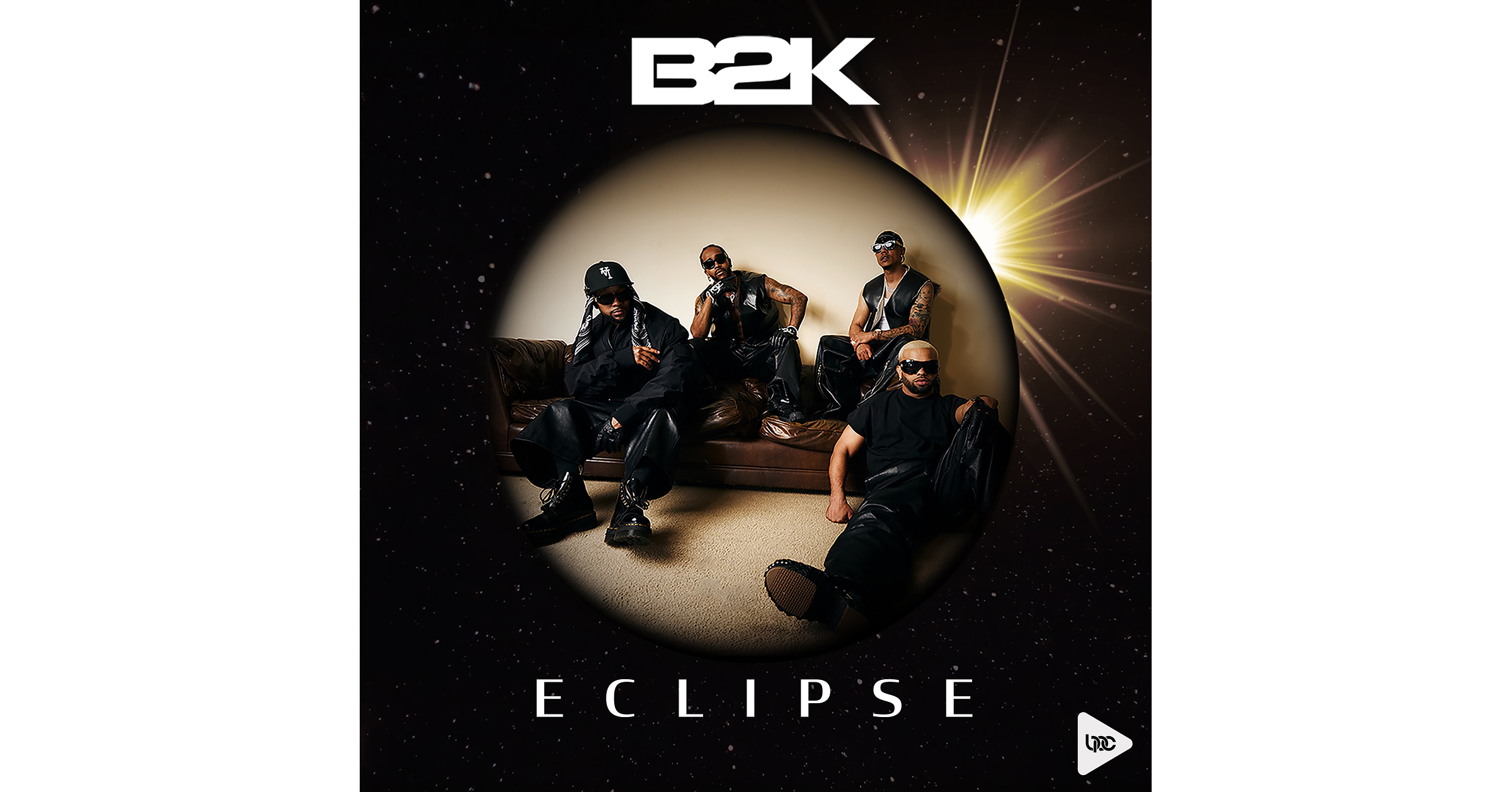
B2K has released “Eclipse,” a 12 track album ending a gap of more than two decades between studio projects. Their last full length release was “Pandemonium!” in 2003, before streaming rewrote the business. Omarion, J-Boog, Raz-B and Lil’ Fizz are back together on record, not merely sharing a concert bill. That distinction matters. Reunion tickets sell memories, but new music asks fans to make room for who these men are now. The group that helped soundtrack school dances and bedroom phone calls has returned to an audience with bills, children and sharper expectations. Getting everybody back in the booth creates the opening. What they build together determines whether this comeback has legs.
According to release reporting provided to PowerVault Network, “Eclipse” arrived Friday and is available across major streaming platforms. A news release cited in that reporting describes a more mature sound, aimed at longtime supporters and younger R&B listeners. That is the promotional pitch, not a substitute for hearing the record. The confirmed lineup includes all four members, and the track list includes “Mileage,” “Lil Freak” and the Bow Wow collaboration “Boyfriend.” The first two singles introduce the adult direction the announcement emphasizes, rather than promising a teenage rewind. No label agreement, ownership terms, recording budget or royalty splits were supplied with the announcement. Those missing details matter when evaluating the business, even if they cannot tell listeners whether a hook lands.
The Bow Wow feature gives “Eclipse” a specific connection to the group's wider musical family. “Boyfriend” recalls “Girlfriend,” the 2007 single from Omarion and Bow Wow’s joint album, “Face Off.” That song should not be confused with B2K’s own earlier hit of the same name. The distinction puts Omarion’s career outside the group into the reunion conversation without pretending those separate years disappeared. Bow Wow also connects the album to the touring audience these artists have cultivated together. His presence bridges the original group story and the collaborations that kept its members in rotation afterward. Familiar names can get listeners through the door. Whether they stay depends on the songs, not the guest list. The source supplied video below gives readers another entry point.
That video is an entry point, not enough evidence to declare the entire album a creative breakthrough. The broader rollout includes public appearances that put B2K beside other familiar R&B voices. The supplied reporting places the group at a June BET Weekend musical showdown with R.S.V.P., featuring Ray J, Sammie, Bobby V and Pleasure P. It also describes a June Verzuz appearance with Pretty Ricky. Those events create opportunities for friendly competition and renewed attention. They also remind viewers how much personality helped sell this generation of performers. For fans raised on video countdowns, seeing these acts share space carries its own emotional charge. The harder assignment comes afterward, when an audience stops comparing old favorites and starts judging unfamiliar material.
The live business gives this release another foundation. The source reports that B2K completed “The Millennium Tour Presents: The Boys 4 Life Tour,” celebrating the group’s 25th anniversary, with Bow Wow sharing top billing. The lineup included Jeremih, Waka Flocka Flame, Amerie, Yung Joc, Crime Mob, Dem Franchize Boyz, Pretty Ricky and B5. That bill reaches beyond one group’s fan base into several overlapping memories of Black radio and television. R&B hooks and club rap share an audience here, just as they shared space in listeners’ lives. A crowded package can bring supporters into the same building without proving demand for every performer’s new album. Concert interest and recording interest are related, but they are different tests. The second source supplied video follows below.
The second video belongs to a comeback with a much longer history than this release cycle. B2K’s self titled debut arrived in 2002, when BET’s “106 & Park” helped turn video premieres into daily events. “Uh Huh” and “Bump, Bump, Bump” belonged to an era when choreography, coordinated looks and radio access could build a group together. Fans learned the moves alongside the lyrics, making performance part of the attachment, not just decoration around a single. The 2004 film “You Got Served” extended that reach into dance and movie culture. The 2019 Millennium Tour later demonstrated the group's continuing pull as a live attraction. Each stage used a different vehicle: television exposure, film crossover, then reunion touring. There is no single countdown couch holding everybody’s attention now. “Eclipse” now faces streaming discovery, where attention is plentiful but sustained listening must be earned.
The reunion gets them attention; the record has to give listeners a reason to stay.
An audience can honor its teenage memories without surrendering its adult standards.
For the four members, the strongest version of this return leaves room for adulthood without making maturity sound like a marketing costume. Nobody needs performers approaching middle age to recreate teenage chemistry on command. They do need a convincing reason these particular voices belong together now. That means shared musical purpose, space for individual strengths and songs that do more than announce the reunion. The reporting describes teenagers who faced fame and personal challenges becoming adults with separate experiences to bring into the room. Personal growth cannot be verified by a press release, and a group photo cannot prove lasting trust. Nor does the public need access to every private disagreement. The fair question is simpler: can B2K make its present feel as compelling as the past fans already know?
For the industry, “Eclipse” tests whether a reunion audience can support new recordings beyond a release weekend. Touring reconnects artists with paying customers, but those ticket purchases do not automatically become repeat streams. A platform needs listeners to return, save songs and seek out the next release. Playlist placement can introduce a track; it cannot make somebody choose that track again tomorrow. The distinction also matters in PVN’s coverage of Bruiser Wolf and Conductor Williams’ album: a project needs a reason to exist beyond an announcement. B2K’s promotional team can sell recognition immediately. Building a current catalog takes more patience, especially if the strongest response comes from people revisiting “Bump, Bump, Bump” instead of trying “Mileage.” Attention is useful only when something follows it.
For listeners, loyalty should not become an obligation to approve everything carrying a familiar name. An audience can honor its teenage memories without surrendering its adult standards. Fans who once defended B2K at the lunch table can now ask for stronger writing, clearer performances and an album worth replaying. Younger listeners deserve the same freedom. They should not have to study an entire reunion history before deciding whether a song works. A teenager discovering “Lil Freak” through a shared clip is entering through the music, not necessarily through anybody’s childhood attachment. Older fans can offer context without treating every lukewarm reaction as disrespect. The useful exchange runs both ways: introduce somebody to the catalog, then let them judge the new material. History earns a hearing, not a guaranteed standing ovation.
The money question deserves equal attention because Black nostalgia creates value for more people than the artists onstage. Promoters, venues, platforms and advertisers can all benefit when familiar names bring audiences back. PVN’s examination of who benefits from Aggie pride at GHOE offers a related question about community attachment and commercial reward. For B2K, the announcement establishes no answer about master ownership or publishing shares. A distributor’s involvement would not, by itself, establish ownership either. Recording income, songwriting income and concert revenue follow different agreements. An advance can also be recoupable against specified royalties, which makes a headline payment different from money an artist ultimately keeps. Fans should resist assuming that a successful looking comeback necessarily gives every member equal control or equal financial security. Visibility and ownership are separate achievements.
Advertisement
The next phase should make the case through performances, sustained releases and clear communication about what B2K wants this era to become. Watch which new songs remain in the conversation after the initial reunion excitement settles. Watch whether future set lists give “Eclipse” room beside the established hits. Any disclosed business details would also help distinguish creative independence from promotional language, without requiring fans to speculate about private contracts. The opportunity is real: four familiar artists have another chance to build something together. B2K has already earned its place in R&B history. Now the group has to make listeners reach for the new record first.
More from PowerVault Network:
