
Lil Baby Hawks Halftime Show: What Atlanta Gets Back
By Malik Carter, PowerVault Staff Lil Baby was booked to headline the Atlanta Hawks halftime show on Nov. 7, putting a hometown star inside the team’s November entertainment push. The announced appearance at State Far...
Advertisement

By Malik Carter, PowerVault Staff Lil Baby was booked to headline the Atlanta Hawks halftime show on Nov. 7, putting a hometown star inside the team’s November entertainment push. The announced appearance at State Far...
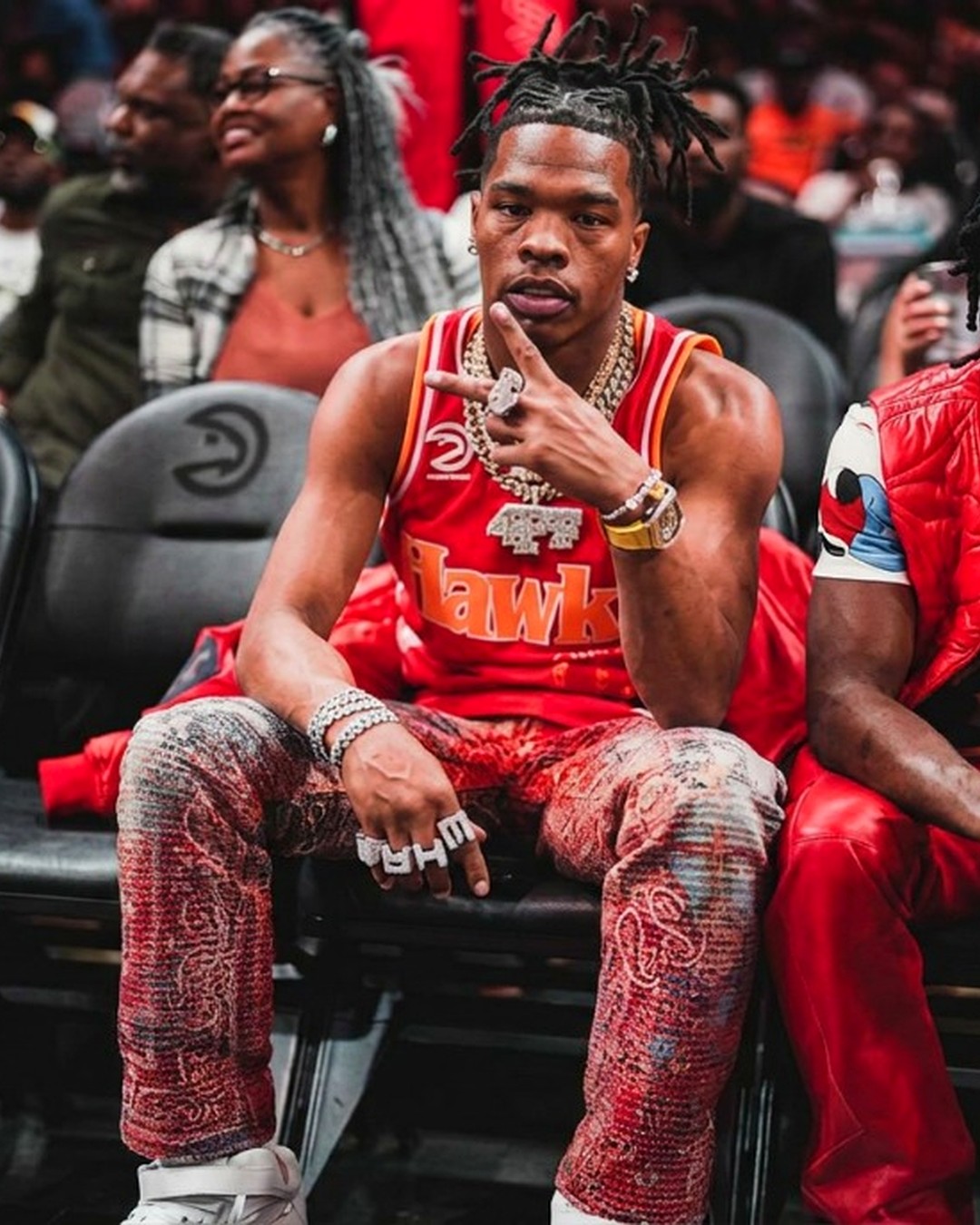
Lil Baby was booked to headline the Atlanta Hawks halftime show on Nov. 7, putting a hometown star inside the team’s November entertainment push. The announced appearance at State Farm Arena paired him with a Brooklyn Nets matchup and an evening featuring Nivea and Eric Bellinger. That is a strong bill for a basketball intermission. It also deserves a closer look than the usual celebrity courtside treatment. Atlanta supplies the sound, the personalities and much of the attitude that sports franchises sell. Here, music was part of the advertised attraction, not background noise. The question is what that relationship delivers beyond a good photograph and a loud building.
According to Atlanta News First, the Hawks announced Georgia acts for their first three November home games. Bubba Sparxxx led the Nov. 6 bill against the Washington Wizards. Lil Baby occupied the middle date, and Yacht Rock Revue was scheduled for Nov. 9 against the Los Angeles Lakers. The team also booked guest performers across the homestand. Monday’s announcement packaged those bookings as a Georgia showcase, giving each matchup a musical attraction alongside the basketball. These are announced appearances, not a verified account of completed performances. The reporting provides no attendance figures, artist fees or set lists. That distinction matters when a booking announcement can quickly get repackaged online as proof of what happened on the court.
Baby’s own explanation kept the emphasis where it belonged: Atlanta. “Atlanta has shaped my sound and the energy I bring to the stage, so getting to share that with Hawks fans means a lot,” he said in the announcement. He added, “Atlanta is who I am, and I can’t wait to give the crowd an unforgettable show.” Those words establish his connection to the booking. He framed the appearance around the city that shaped him, rather than a sales pitch for a particular release. They do not identify which records he planned to perform or whether any surprise guests were involved. The video below should not be treated as confirmation of a particular halftime set without a verified date and setting.
Separate from that video, the reported supporting lineup gives the Nov. 7 program its own identity. Nivea was scheduled to sing the national anthem, and Grammy winner Eric Bellinger was booked for a pop up performance. Nivea brings an Atlanta R&B connection that reaches listeners who remember the city before every music argument became a streaming comparison. Bellinger adds another vocalist rather than another rapper competing for the same pocket. The anthem, halftime headliner and additional appearance also give fans distinct reasons to pay attention throughout the evening. On paper, that creates room for different musical moments across the game. Whether the execution matched that promise would require performance footage or reporting from the arena, neither of which the supplied announcement establishes.
The other dates show how broadly the Hawks defined their Georgia music showcase. Sparxxx headlined the first Hawks Cup Night on Nov. 6, with Atlanta rapper Fatt Smaxk booked for an appearance during the game. “Georgia made me who I am,” Sparxxx said, describing the hometown opportunity. He also called performing for his hometown team a special moment. Yacht Rock Revue supplied a different sound for the Lakers date, promising harmonies and an atmosphere built around having a good time. The group credited the city and its fans with building its audience. That range matters: Georgia music cannot be reduced to one playlist, even when rap carries enormous local weight. A second video follows below, but the announcement does not establish its recording date or connect its contents to a completed halftime performance.
Neither embedded video is necessary to understand the longer history behind this booking. Atlanta rap fought for national respect before it became a routine soundtrack for professional sports. OutKast’s appearance at the 1995 Source Awards remains a defining marker of that struggle. The 1996 Atlanta Olympics then put the city before a global audience, though official visibility never captured every part of Black Atlanta. By 2003, OutKast’s Speakerboxxx/The Love Below had made the city’s creative reach impossible to dismiss. That history matters because Atlanta artists helped build the cultural authority that institutions now want attached to their events. Baby belongs to a later chapter. His 2020 album My Turn reached No. 1 on the Billboard 200. A Hawks booking now places an established commercial force inside another Atlanta institution, not an unknown artist seeking permission to belong there.
For Lil Baby, this booking offers something different from another chart milestone. A hometown sports crowd includes committed fans, casual listeners and people who came primarily to watch basketball. Winning that room requires direct performance skills. A halftime window leaves little space for a slow build or a sprawling concert set. Song selection, pacing and clear delivery matter when the audience has not bought a ticket specifically to see you. The strongest version of this appearance would make his Atlanta connection audible, not merely visible on an arena screen. Still, no artist owes a hometown institution a discount on his labor. Community pride and a professional fee can coexist. Treating those things as opposites is how successful Black performers get asked to subsidize somebody else’s celebration.
The business side deserves more than guesses about a promotional payday. The announcement does not disclose Baby’s fee, any label participation or terms governing performance footage. A live appearance does not automatically mean the Hawks acquired rights to his recordings. Masters concern ownership of recordings; publishing concerns the underlying songs. Performance agreements, music licensing and permission to reuse footage involve separate questions. Permission to present a show is not automatically blanket permission to turn its audio and images into future advertising. The scope of any permission matters. No reader should mistake a halftime booking for evidence about Baby’s record contract. PVN’s coverage of Kanye West’s reported rap attendance record offers a related business lens: audience attention matters, but the contracts determine who can monetize it afterward.
For the audience, access is the sharper issue. A local soundtrack does not guarantee that local families can afford seats, transportation and food at the arena. Atlanta should not have to buy a ticket to recognize itself. The Hawks’ broadcast arrangements offer one useful counterweight: games are available on WANF’s free broadcast channel 46.1. WANF is also carried by Xfinity, Spectrum, DirecTV and DISH Network, plus YouTube TV, DirecTV Stream and Fubo. Those paid options expand availability, not free access. But the source does not say every musical performance will air. Fans should not assume a game broadcast includes the entire halftime show. That gap matters when hometown celebration becomes a selling point. A franchise can reach households for free while still keeping its most marketable entertainment inside the paid experience.
Black Atlanta also deserves credit as a producer of value, not merely a customer base. Rap gives corporate partners a recognizable local identity that generic arena entertainment cannot supply. Yet recognition becomes thin when established stars get the spotlight and developing local workers remain invisible. Fatt Smaxk’s announced slot creates one opening; it does not establish a broader investment program. The harder questions concern recurring bookings, production jobs and paid chances for emerging performers. A visible slot can introduce an artist to listeners, but visibility alone does not tell us what the artist earned or what comes next. Those concerns connect with PVN’s examination of who benefits financially from NC A&T’s GHOE celebrations. Black loyalty has economic power. Institutions courting it should be willing to explain where the benefits land.
Advertisement
The next useful reporting should move beyond the announcement: what Baby performed, what viewers could watch and whether smaller local acts gained meaningful exposure. Fans seeking the games have options beyond WANF, including Peachtree Sports Network and participating Gray Media stations across Georgia. Those outlets include stations serving Albany, Augusta, Columbus, Macon and Savannah, according to Atlanta News First. That reach could make this more than an arena-only celebration, provided the music actually reaches those households too. The Hawks have a strong hometown roster to draw from. Atlanta’s sound should open doors for its people, not just help open the gates.
More from PowerVault Network:
