
Bay Area Hip Hop: Who Gets Credit for Its Influence?
By Malik Carter, PowerVault Staff E-40 and Too Short anchor a Bay Area hip hop history that challenges who gets credit when regional sounds become national currency. KQED’s yearlong exploration traces five decades of...
Advertisement

By Malik Carter, PowerVault Staff
E-40 and Too Short anchor a Bay Area hip hop history that challenges who gets credit when regional sounds become national currency. KQED’s yearlong exploration traces five decades of music, organizing, style and independent hustle. The bigger story is how a region built its own audience before the industry decided to listen. Oakland, Vallejo and San Francisco were never interchangeable scenes. Each developed voices that traveled without surrendering their hometown accents. Mobb music and hyphy belong to that history, but neither tells the whole story. That matters now, when a sound can reach millions through short videos while its originators remain outside the conversation. Reach and recognition are not the same thing.
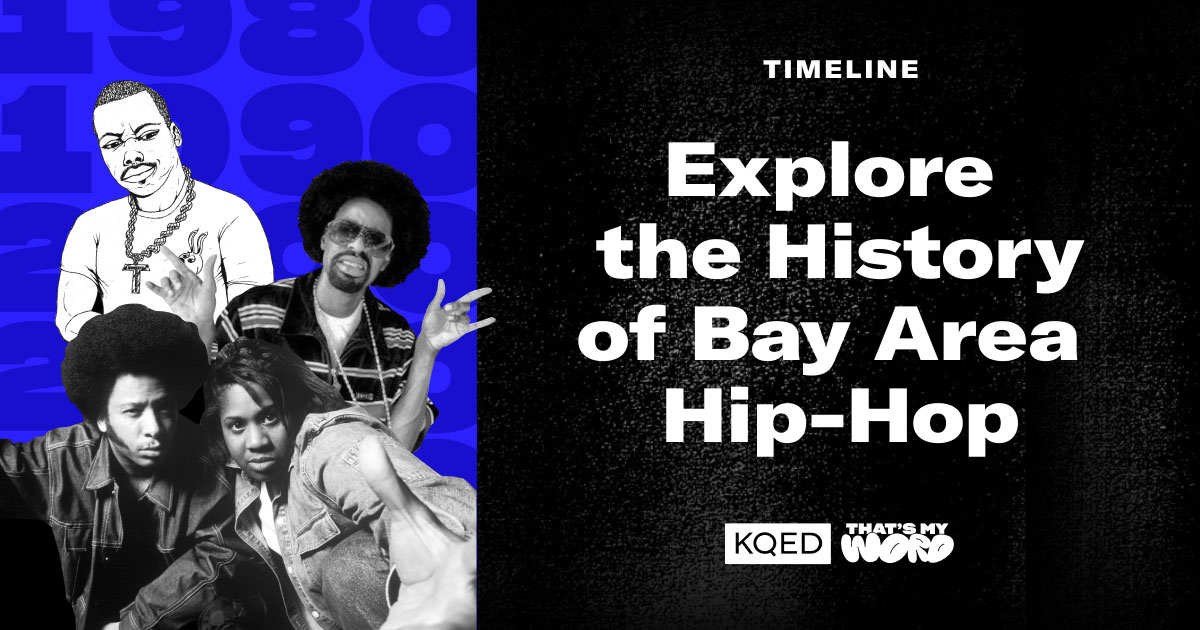
The KQED Bay Area hip hop project credits Gabe Meline, Eric Arnold, Nastia Voynovskaya and Pendarvis Harshaw as contributors. Its timeline moves from social and musical foundations through mobb music, hyphy and the digital era. Too Short, E-40, Mistah F.A.B. And Kamaiyah appear as central figures across those chapters. Crucially, the project describes the collection as evolving rather than finished. “Know of something that should be included?” its introduction asks readers. That invitation matters because regional history rarely survives through hit records alone. Its visual sources include the Oakland Tribune archive and The Jay Payton Show, widening the record beyond album covers. Local television, neighborhood photographs, independent labels and people who saved the flyers can explain what sales figures leave out.
Sly Stone belongs near the beginning of this discussion, even though his contribution predates recorded Bay Area rap. Sly and the Family Stone made funk feel communal, confrontational and loose enough to move bodies. Their influence helps explain why Bay rap’s musical family tree cannot start at a record label’s release calendar. Oakland’s Black Panther Party, founded in 1966, also belongs in the wider frame of Black self determination. That does not make every rapper a political organizer. It means the music emerged where questions about power, ownership and neighborhood responsibility already had weight. KQED’s attention to social and political foundations keeps that context from becoming a decorative footnote. The video below offers another entry point into that broader musical history.
Too Short’s catalog shows how a local identity can become a national business without first becoming polite. Born to Mack arrived through Dangerous Music in 1987 before Jive reissued it in 1988. Life Is...Too Short followed in 1988, carrying Oakland’s voice further into the mainstream. The lesson extends beyond his unmistakable delivery. Selling music locally gave artists evidence that listeners existed before national promotion arrived. That evidence could matter when negotiating with a larger company, although leverage never guarantees ownership. An audience gives an artist something to negotiate with, not automatic protection from unfavorable terms. A record deal, a distribution agreement and control of master recordings are separate issues. Calling every independent success story the same deal erases the business details.
E-40 pushed that local logic through Sick Wid It Records, the label he founded before his wider commercial breakthrough. His 1995 album In a Major Way brought Vallejo’s elastic speech and distinct rhythms to a broader audience. A decade later, the hyphy era made movement, slang and personality central to the national conversation about Bay rap. Mac Dre, Keak da Sneak and Mistah F.A.B. Belong in that discussion alongside E-40. Reducing the movement to one dance or one breakout single misses the network that made those records legible at home. KQED’s inclusion of Thizz Entertainment and YAK Films among its visual sources reflects that wider ecosystem. The next video belongs alongside that listening history, rather than standing in for the entire movement.
The Bay also complicates the idea that a region gets only one recognizable rap sound. Souls of Mischief released 93 ’til Infinity in 1993, offering intricate group chemistry and a jazz informed atmosphere. DJ Shadow’s Endtroducing..... Arrived in 1996, demonstrating another route through sampling and instrumental composition. Neither cancels out mobb music or hyphy. Together, they expose the limits of sorting entire cities into one playlist category. Later, Nef the Pharoah’s 2015 single Big Tymin’ and Kamaiyah’s 2016 mixtape A Good Night in the Ghetto showed different ways to carry local identity forward. KQED’s digital era chapter leaves room for new aesthetics rather than treating younger artists as custodians whose only job is repeating what the legends already established. Generations overlap here. The clean decade breaks help organize an archive, but they cannot explain every relationship between artists, producers and listeners.
The industry loves regional flavor until the people who created it ask for lasting power.
National recognition should not require artists to make their hometown harder to hear.
For artists, the Bay’s example challenges the pressure to treat hometown specificity as a temporary obstacle. E-40’s phrasing was never a rough draft awaiting a more marketable accent. Too Short’s directness did not need an outside translator to become recognizable. National recognition should not require artists to make their hometown harder to hear. That does not mean every regional release deserves commercial success, or that changing styles amounts to betrayal. Artists need room to experiment. The distinction is who chooses the change. An artist following curiosity is different from an executive treating local listeners as a test market to abandon once bigger money appears. Calling that erasure artist development does not make the people who built the audience disposable. Creative development should expand an artist’s options, not erase the starting point.
For the business, regional influence demands more serious questions than who borrowed whose slang. Who controls the recording when a song finds a second life? Who collects publishing when an interpolation becomes a hit? A familiar phrase alone does not automatically create a copyright claim. That distinction matters because cultural credit and legal ownership are different arguments. So are recording revenue and songwriting income. An interpolation uses an existing composition without necessarily using its original recording, so the relevant rights differ from those involved in sampling the master. PVN’s coverage of Drake’s questions about Billboard rules connects to another part of this problem: how success gets counted. A chart can measure eligible consumption. It cannot fully measure how many artists learned to rap differently after hearing someone from Vallejo.
For listeners, the responsibility starts with following a sound past the account that served it up. A viral clip can introduce a record without explaining its city, producer or original release. That discovery still has value. The next step is curiosity, not scolding younger fans for arriving late. Search the credits. Play the full project. Notice who gets named when an influence becomes fashionable. KQED’s timeline can be filtered by decade, giving listeners a way to place a discovery alongside the earlier moments that helped make it possible. PVN’s discussion of Prince’s 3121 Las Vegas Live release offers a related reason to care about archives: past work needs more than an anniversary caption. Listening across generations makes inherited sounds easier to recognize and lazy origin stories harder to sell.
The race and class question sits underneath all of this. Black neighborhoods can generate valuable sounds while the people sustaining those scenes face unstable housing and shrinking access to creative space. The Bay’s technology wealth makes that contradiction especially hard to ignore. Platforms can help a local artist find listeners worldwide, but access to an upload button does not equal bargaining power. Nor does visibility pay every producer, photographer or community documentarian who helped build a scene. Preserving a scene means valuing that labor before somebody needs an archive image to sell the culture back to us. Any celebration that praises independent hustle without asking why artists needed it leaves something out. Self reliance can express freedom. It can also be the response to institutions that never offered fair entry.
Advertisement
KQED’s invitation for additions points toward the useful next step: a history that keeps accepting evidence. Readers with dated flyers, credited photographs, recordings or firsthand knowledge can help strengthen the record. Future chapters should follow the money alongside the music, without pretending every private contract is publicly known. Watch who preserves masters, who documents local venues and who gets credited when older sounds return through younger stars. The Bay does not need a national outlet’s permission to matter. It does need its contributions recorded precisely enough that the next wave cannot casually rename them. The next generation deserves receipts, not another origin story with the originators missing.
More from PowerVault Network:
