Prince 3121 Las Vegas Live: Why This Release Matters
By Jasmine Reed, PowerVault Staff Prince’s “3121 Las Vegas Live” concert film opens in more than 500 theaters nationwide December 3, bringing a 2007 performance back into public view. Tickets are already on sale for t...
Advertisement

By Jasmine Reed, PowerVault Staff
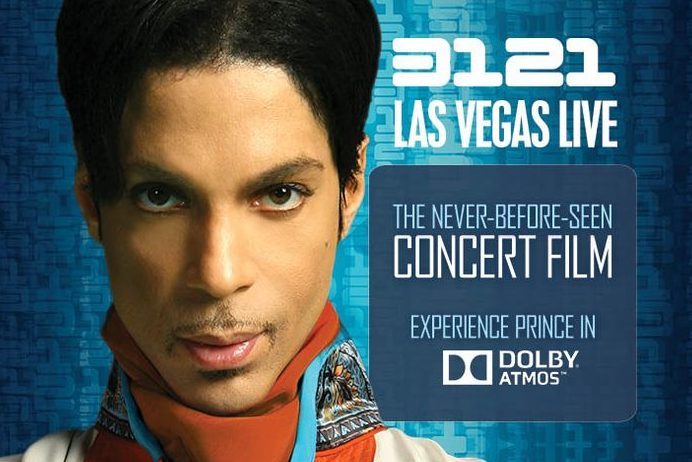
Prince’s “3121 Las Vegas Live” concert film opens in more than 500 theaters nationwide December 3, bringing a 2007 performance back into public view. Tickets are already on sale for the limited run. The theatrical release joins an expanded edition of his 2006 album “3121,” but the theater booking deserves its own attention. This is a chance to let a Black music giant command the room instead of compete with your notifications. For younger fans who never saw Prince perform, this offers something a playlist cannot deliver: time with his work as a live musician. For everybody who already knows, consider this a reason to get the group chat off the couch.
According to Variety’s reporting on the release, the concert film also comes with the physical editions of the expanded “3121,” arriving December 11. That means the big screen engagement is one part of a larger release campaign, not the only way to see the performance. The film will be presented in 4K, with Dolby Atmos available at equipped theaters. Those qualifications matter before anybody buys a ticket expecting every auditorium to offer the same setup. With a concert built around extended playing, sound deserves as much attention as the promise of a sharper picture. Check the actual listing, not just the promotional artwork. A premium presentation should come with clear information about what the theater can deliver.
The film runs 154 minutes, leaving room for hits, deeper selections, covers and extended jams. Its set moves through “Purple Rain,” “Kiss,” “If I Was Your Girlfriend” and “U Got the Look,” alongside material from “3121” and “Musicology.” The covers include “Pass the Peas,” “Crazy” and “Play That Funky Music.” That range matters because Prince’s live appeal cannot be reduced to waiting for one famous chorus. The song choices place familiar records beside opportunities to hear him work beyond his own catalog. A cover also invites a different question: what does an artist bring to a song somebody else made familiar? His name may sell the ticket, but the full program deserves attention. The trailer below introduces the concert film headed to theaters.
That preview is the invitation; the full release asks for a considerably longer commitment. Fans should also separate the concert’s different formats before spending. A live album titled “3121 Las Vegas Live” arrives November 27 for Record Store Day Black Friday, ahead of the theatrical opening. Its editions include triple LP crystal blue vinyl and a two CD set. The December 11 album reissue has its own three LP plus Blu-ray and two CD plus Blu-ray packages. Those physical reissues pair the studio album with the concert on Blu-ray. That crystal blue pressing may catch your eye, but color alone does not tell you what is included. Similar titles can blur together during a rollout, so shoppers should read the contents before checking out.
The expanded digital edition takes a different route, adding 10 raw recordings to the original album’s 12 tracks. Those additions include acoustic versions of “The Word,” “Love” and “Te Amo Corazón,” plus “Time of Ur Life,” “The Streets of Panama,” “Another Girl” and “Glass Cutter.” Digital listeners therefore have something distinct to consider, rather than simply receiving the same package without a disc. The acoustic selections offer another point of comparison: how familiar compositions register when presented in a different form. The release reporting does not establish that every format contains every extra. Nobody needs three purchases based on an assumption. Decide whether the draw is the studio material, the live audio or the filmed performance, then match the edition to that interest.
Released March 21, 2006, through NPG Records and Universal Music, “3121” became Prince’s first album to debut atop the Billboard 200. It was his fourth album to reach No. 1. That distinction puts this era beyond the usual late career footnote. His commercial power remained real decades after his breakthrough. A chart debut measures a particular moment of demand, not the total value of an artist. Still, this one challenges the lazy idea that only his earlier decades deserve serious attention. The business context matters, too: Prince adopted an unpronounceable symbol as his name in 1993 amid conflict with Warner Bros., then released “Emancipation” in 1996. Ownership and artistic freedom were public issues throughout his career. A release campaign built around his archive should be discussed against that history, without pretending the current packages settle those old fights.
The real test is whether this rollout treats Prince as an artist or merely an asset.
Black genius deserves an audience before it becomes an anniversary marketing plan.
For Prince’s legacy, the strongest argument for this film is the space it gives performance. A familiar photograph can become shorthand for an entire career. So can one hit, one outfit or one spectacular guitar moment. A 154 minute concert asks viewers to stay longer and hear more. That matters for an artist whose range can get flattened by tributes built around recognition. Extended jams give audiences time to notice pacing, musical choices and the difference between knowing a recording and following a performance somewhere less predictable. Black genius deserves an audience before it becomes an anniversary marketing plan. The opportunity here is to meet the musician beyond the image, including songs that do not arrive with instant recognition. Fans should welcome a release that makes room for that encounter.
The industry argument is less romantic: archives generate products, and products need scrutiny. Separate editions can serve different listeners, but they can also make a release harder to understand. Clear descriptions should be the minimum standard, especially when the same concert appears across theatrical, audio and home viewing formats. A coordinated campaign can build excitement across several release dates while leaving fans to untangle which purchase actually delivers the experience they came looking for. PVN’s coverage of Drake’s dispute with Billboard over YouTube streams touches another version of this larger issue: who determines how music gets valued. Here, buyers can set their own terms. Loving Prince does not require buying every edition, and choosing one format does not make anybody less of a fan. Affection should never become a spending test.
For the audience, this could become a useful exchange between generations instead of another argument about who had better music. Older fans can bring memories without turning the screening into homework. Younger fans can arrive curious without passing a Prince trivia exam first. The program offers several entry points, from widely known singles to songs that reward a second listen. Recognizing “Kiss” might get somebody through the door; leaving with questions about “If I Was Your Girlfriend” would make that invitation worth extending. A shared theater also gives people a reason to discuss musicianship rather than simply rank celebrities. Who changes the feel of a song? What makes an extended performance hold attention? Those are livelier questions than demanding that a newcomer declare somebody the greatest before hearing the whole set.
Access is where the celebration needs a practical check. More than 500 theaters sounds substantial, but that number alone does not establish affordable tickets or convenient screenings in every Black community. Travel, work schedules and accessibility can decide who actually gets inside. A limited run makes those details especially important: a nearby theater still may not help somebody whose available evening falls outside the screening schedule. Black audiences should not have to prove devotion through purchases that strain a budget. Money also deserves attention when entertainment companies promote cultural impact. PVN’s coverage of the Weeknd’s $3 million fundraising effort points toward that broader habit of asking what follows a headline number. Here, the useful measure is whether people can meaningfully access the work, not simply how impressive the rollout sounds.
Advertisement
The next dates are straightforward: November 27 for the live album, December 3 for the limited theatrical run and December 11 for the expanded “3121” editions. Before buying, check local showtimes, the auditorium’s presentation details and the contents of the chosen package. After watching, give the less familiar songs another listen. Bring that discovery back to the group chat, too. Put somebody on without making them feel late. That is where a catalog release can do more than move merchandise: it can change what somebody hears the next time Prince comes on. The best tribute will not be proving who knew him first. It will be making room for somebody to hear him fully.
More from PowerVault Network: