Caleb Williams and Caddix Cleats: Who Has the Leverage?
By Renee Fontaine, PowerVault Staff Caleb Williams wore Caddix cleats and drew $35,823 in NFL fines that the startup covered. That arrangement tells more about the shoe business than the silver patent leather pair he...
Advertisement

By Renee Fontaine, PowerVault Staff
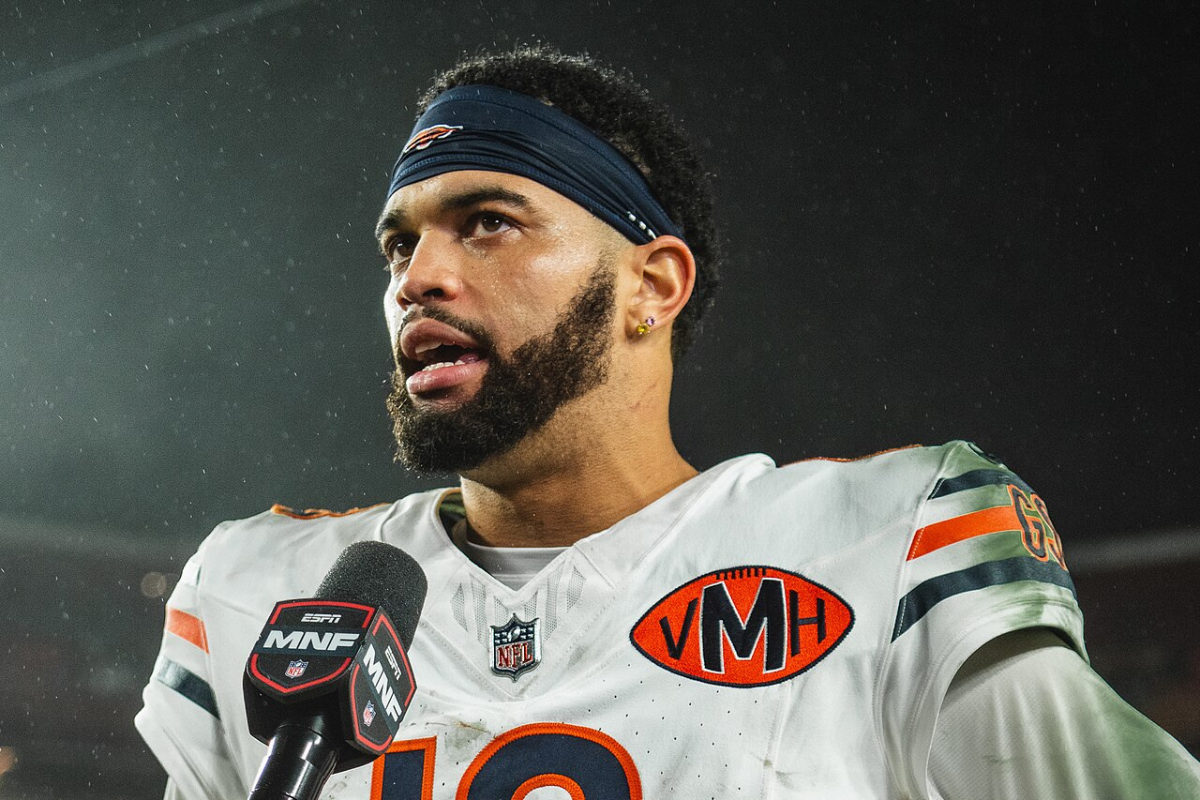
Caleb Williams wore Caddix cleats and drew $35,823 in NFL fines that the startup covered. That arrangement tells more about the shoe business than the silver patent leather pair he wore against the New Orleans Saints. Williams kept his choice of footwear. Caddix got national attention without a paid endorsement from a franchise quarterback. The NFL could still send a bill.
According to Andscape’s reporting on Caddix, Williams has worn the O.G. Low for every snap he has taken since the preseason. The company has made him all black and metallic orange versions, too. The finish changes. The shoe stays. That distinction matters because the custom pairs explain why fans might notice the cleats, but they do not explain why other players keep putting them on.
Caddix is a four person company that started in a garage. Cincinnati quarterback Joe Burrow has worn its cleats, and Andscape reported that dozens of players have backed the brand without pay. Rising NFL salaries and shrinking cleat endorsements help explain the opening. When the shoe check carries less weight against the football check, some players have more room to choose what feels right underfoot. A small company can earn a tryout without winning a bidding war.
The pitch starts with the studs. Caddix designed its SmartStuds to flex and rotate more than traditional football cleats. That describes what the company built, not what the shoe has been shown to prevent. The distinction gets more important, not less, when the person wearing it is coming back from a torn ACL.
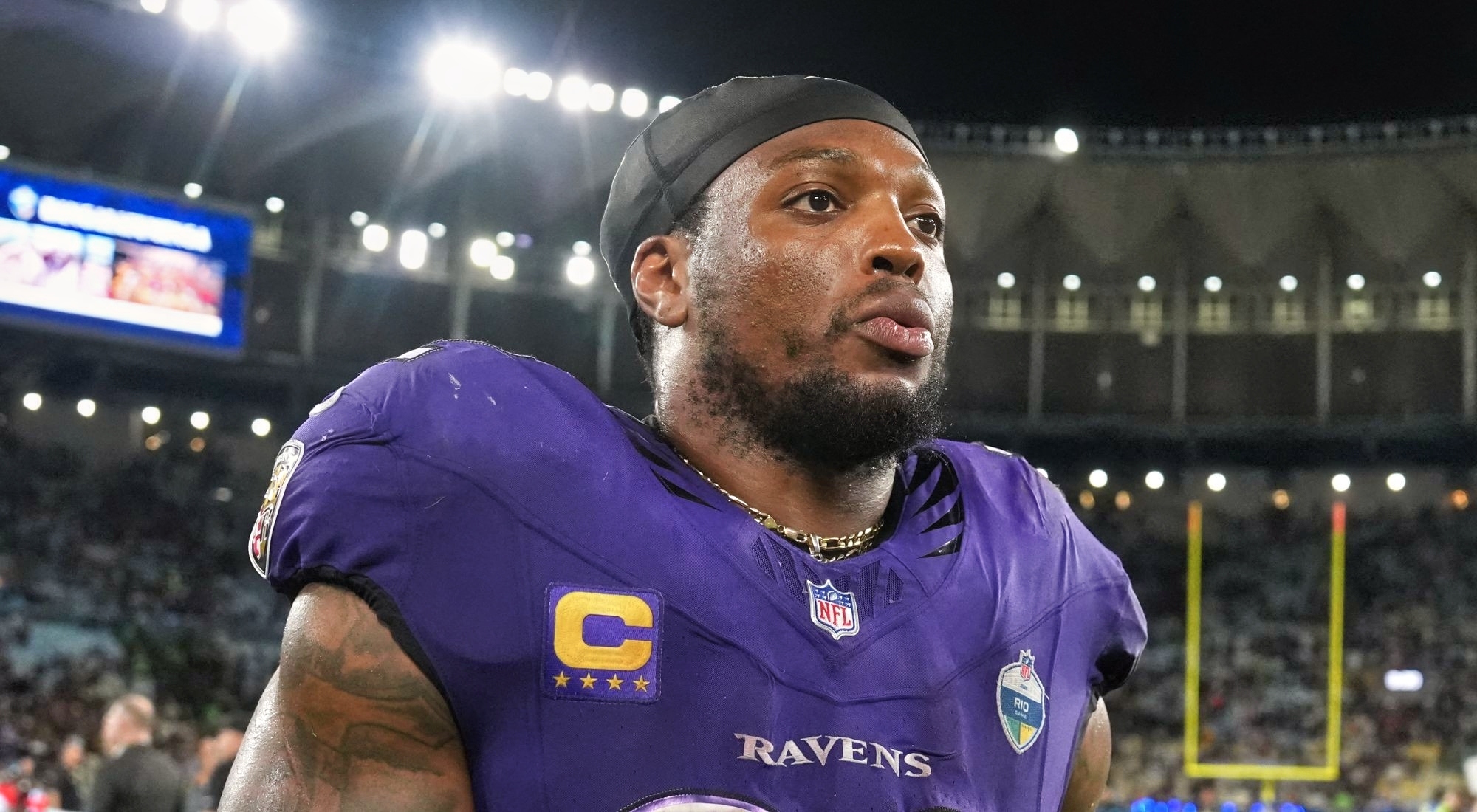
Baltimore Ravens linebacker Teddye Buchanan tore his ACL on Dec. 14, 2025. During rehab, he heard about Caddix from teammates and contacted Rasmussen himself. He has worn the cleats since returning in Week 3 and is one of five Ravens defenders who have tried them this season. The recommendation came from people who knew what it felt like to plant a foot and make a cut for a living.
“It was kind of the reverse, where the players started pushing for the cleats, which pushed the needle for the team getting them,” Buchanan told Andscape. He said training and equipment staff were initially hesitant and suggested they lacked confidence in the research. Both judgments can carry weight. A player knows what he feels when he plants. A medical staff has to answer a different question before it recommends a shoe to everybody else.
Buchanan’s account gives the equipment story a better starting point than either a celebrity sighting or a sales pitch. The useful question is what players notice that an equipment decision might miss. Comfort and confidence after rehab are worth hearing about on their own terms. Neither tells a teammate how likely he is to get hurt. A team should be able to listen without treating the locker room as a clinical trial.
A Black quarterback can be the face of a franchise and still get a bill for deciding how that face shows up.
A Black quarterback can be the face of a franchise and still get a bill for deciding how that face shows up. That observation does not depend on proving a racial motive for a uniform fine. It is about how much control comes with being the person everyone came to see. Williams had a company willing to cover the cost of his choice. The same choice looks different to a player who would have to pay for it himself.
The business question for Williams is what that arrangement is worth if the attention keeps coming. Covering a fine keeps him from having to eat that cost. It does not pay him for the audience his Sunday job brings to the shoe. PVN’s coverage of why IMAX wants in on the Super Bowl halftime show offers another angle on the same business reality. Access to football’s audience has value, even when the thing drawing the attention is not the game itself.
The sharper industry question is whether teams will give equipment feedback a regular place in purchasing decisions. A quarterback can make a shoe visible across the country. A linebacker can tell the equipment staff what he wants to feel when he changes direction. One kind of influence helps a brand get noticed. The other can help a team make a better decision, provided it has a way to weigh that feedback against the evidence.
Fans can change what they reward, too. PVN’s look at what an ESPN sideline video actually showed about Stefon Diggs starts from a distinction worth keeping here: seeing a player on camera is not the same as knowing what went into his decision. The silver cleats give fans something to spot on Sunday. Buchanan gives them a reason to pay attention to the equipment conversation after the camera moves on.
Advertisement
Watch what happens when the next player asks for a pair and there is no national headline in it for anybody. Does the equipment staff have a way to evaluate the request? Can the player try the shoe without a startup absorbing the cost of a uniform violation? The real test of player choice is whether it works for somebody whose cleats never get a closeup.
More from PowerVault Network: