Wu Tang Clan Thanksgiving Halftime: What Changed?
By Malik Carter, PowerVault Staff Wu-Tang Clan will play the Detroit Lions’ Thanksgiving halftime show after spending at least a decade largely shut out of Hot 97. The booking caps a year that brought a Rock and Roll...
Advertisement

By Malik Carter, PowerVault Staff
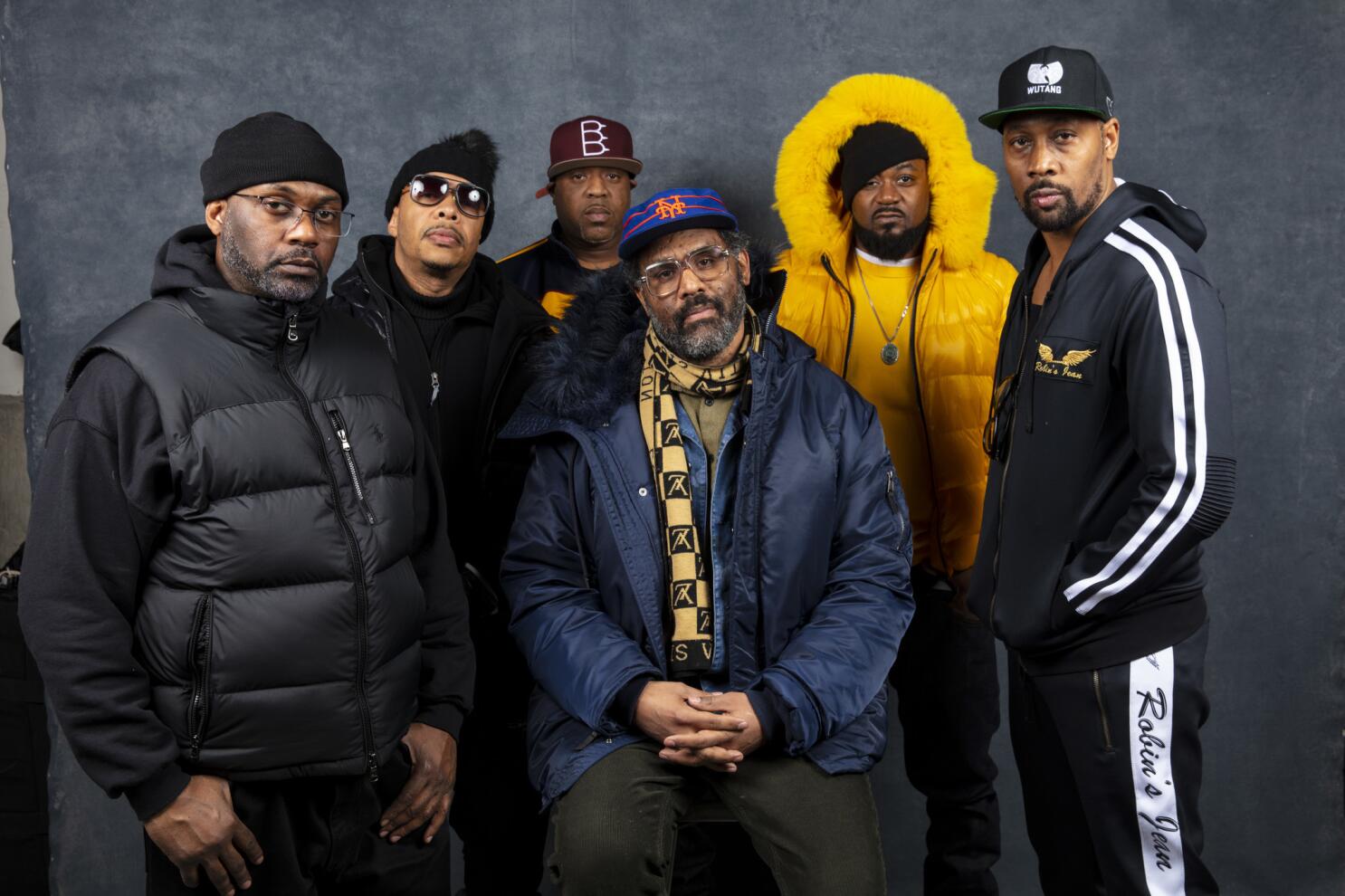
Wu-Tang Clan will play the Detroit Lions’ Thanksgiving halftime show after spending at least a decade largely shut out of Hot 97. The booking caps a year that brought a Rock and Roll Hall of Fame induction and the end of what was billed as the group’s final tour. A radio station once decided its listeners could go without Wu. Now the NFL is betting its holiday audience wants the group at the center of the show.
ESPN’s history of Thanksgiving footballexplains how Detroit became a fixture on the holiday. That standing is what makes the slot valuable. Wu gets a room full of people who came for football, not a ticket they bought to hear a favorite record. Getting in front of people who had not already chosen them was part of RZA’s business plan in 1997. Back then, he had a No.
Wu-Tang Forever opened at No. 1 on Billboard in June 1997. RZA wanted “top of the food chain” money, and he did not see club dates getting the group there. A summer run with Rage Against the Machine offered bigger stages and a whiter audience that might not know the records. The old crossover debate starts with a question worth carrying into the video below: How much should an artist have to change to earn more for work that already sells?
RZA’s touring plan had a sound business logic, but Ghostface Killah described a choice that went beyond venue size. Hot 97 wanted Wu at Summer Jam, and the group already had dates with Rage. “We had to make a decision: Come back to your people over here, or stay over here and get big with these guys,” Ghostface said. That distinction matters. The audience that helped build the business was one audience, and the audience the business saw as a path to bigger money was another.
Wu chose Summer Jam. Ghostface cursed out Hot 97 from the stage at the station’s own festival, and the crowd joined him. The group later left the Rage tour, and Hot 97 seldom played Wu-Tang records for at least the next decade. Ghostface gave the station a reason to be angry, but a decade of scarce airplay was a decision the station kept making. The next video belongs beside that distinction: a few seconds onstage and years of consequences off it.
GZA argued in the 2019 docuseries Of Mics and Men that stations around the country followed Hot 97’s lead. Inspectah Deck put the cost in plain terms: “That affected our sales, that affected our touring. That affected our presence.” Group albums sold less than their predecessors, and internal fights made getting everybody into the studio harder. There is no clean way to assign every lost sale to radio. There is a clear reason Deck put touring and airplay in the same breath: A promoter has to decide how many tickets an act can move before the act gets a chance to prove it.
For the group, the Thanksgiving booking answers an old business question without settling every old argument. RZA was right to want bigger rooms. Ghostface’s account makes it easy to see why leaving their New York audience behind, even for a run of dates, felt like a cost rather than a routine scheduling call. The group deserved a route to better money that did not make loyalty to its first audience feel like a bad investment.
A stadium full of people can know every word, and somebody in an office can still decide the music is too risky to play.
A stadium full of people can know every word, and somebody in an office can still decide the music is too risky to play. Football fans know the gap between being indispensable on Sunday and having real say over the terms on Monday. PVN’s coverage of Courtland Sutton’s contract looks at that distinction from the player side. The halftime invitation tells the public who got picked. The terms would tell the artists what their leverage bought. The booking alone does not tell us what Wu got paid or who controls the performance.
Wu’s own catalog offers another way to think about who controls access. PVN’s coverage of the group’s secret album asks who gets to hear the work at all. Thanksgiving presents the opposite proposition: Put Wu in front of as much of the football audience as the holiday can deliver. That scale is part of what makes the halftime slot worth looking at in the post below.
For the Black fans who already put Wu in heavy rotation, the pleasure of seeing the group on Thanksgiving comes with no obligation to treat the NFL as the final judge of what matters. Those fans were a market before anybody had to sell Wu to one. They also know the difference between sharing something with a new audience and having it explained back to them once a bigger institution puts its name on the program. A good halftime show should trust the music to do the introducing.
Advertisement
The next test is what the league and other bookers do for artists who still have to make the choice Ghostface described. Wu arrives with a No. A younger act looking for a bigger room cannot bring decades of proof to the meeting. The invitation worth watching for is the one that comes before the plaque.
More from PowerVault Network: