Kayla McBride's Historic Week and What It Means for the WNBA's Future
By Marcus Ellison, PowerVault Staff The gym was electric, the fans roaring like a thunderstorm as Kayla McBride made history. The Minnesota Lynx guard, a dynamic talent who has been a key player since her arrival in t...

By Marcus Ellison, PowerVault Staff
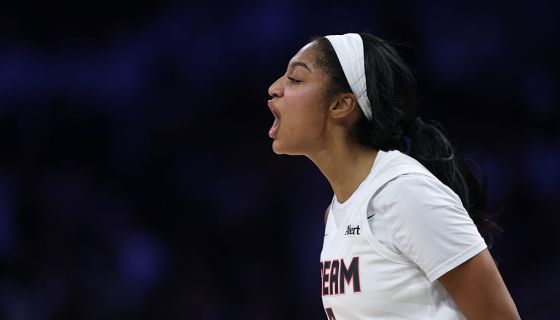
The gym was electric, the fans roaring like a thunderstorm as Kayla McBride made history. The Minnesota Lynx guard, a dynamic talent who has been a key player since her arrival in the WNBA, reached the milestone of 3,000 career points. As she sank her shot, the crowd erupted, not just for the points on the scoreboard, but for what her achievement represents in a league that has been often undervalued and overlooked. McBride’s accomplishment didn’t just happen in a vacuum,it reverberates through the WNBA’s fabric, touching on the aspirations and struggles of Black women athletes in a league that’s still fighting for its place in the sports hierarchy.
As Week 11 of the WNBA season unfolded, with the All-Star break behind and the playoff picture sharpening, it became clear: stakes are high, and the pressure is palpable. The Minnesota Lynx secured a pivotal win to clinch a playoff spot, a moment that felt like a shot of adrenaline for the team and its fans. But as McBride stood on that court, breaking records and making her mark, it was a reminder of how pivotal individual performances can shape a league’s narrative and the broader conversation around Black womanhood in sports.
The WNBA has often been a stage for Black excellence, from legends like Lisa Leslie and Sheryl Swoopes to contemporary stars like A’ja Wilson and Sabrina Ionescu. Yet, it also shines a light on systemic issues that persist in sports culture. McBride’s journey is emblematic of the hurdles that Black female athletes navigate daily. The WNBA may not always get the media spotlight that the NBA does, but it has showcased the power and resilience of Black women, who continue to break barriers while facing financial disparities and lack of exposure. This dichotomy,talent overshadowed by economics,lies at the core of the current sports conversation.
The financial aspect cannot be ignored. As players like McBride excel on the court, the question remains: are they being compensated fairly? The WNBA has made strides in recent years to improve salaries, but the conversation about equity remains ongoing. The fact that many of these women have to supplement their incomes by playing overseas during the offseason is a glaring reminder of the league’s struggles. McBride's success could be a catalyst for change, a spark that ignites the movement for better pay and recognition, not just for her but for every athlete in the league.
In Washington, the Mystics are also making headlines as they keep rolling. Their success adds another layer to the narrative of Black athletes in this space. With a foundation built on teamwork and incredible skill, the Mystics reflect how collaboration among Black players can yield success in a league fighting for its identity. Yet, the dynamics of race and class subtly linger in the background. The predominantly white ownership and front office structures often overlook the narratives of the athletes, especially Black women. The ability to showcase their talents can sometimes feel like an uphill battle, even as they persevere through the rigors of the season.
As the playoffs approach, each game becomes more than just a battle for a championship; it’s a culmination of stories, struggles, and victories. McBride’s milestone is not only a personal triumph but a moment that encapsulates the ongoing fight for recognition and respect for Black women in sports. The WNBA’s growth is now entwined with the stories of these remarkable athletes, who represent much more than just numbers in a box score,they embody the strength, resilience, and brilliance of their communities.
The path forward demands that fans and commentators alike look beyond the surface. When watching McBride, fans should think about the systemic inequities that led to the necessity of overseas contracts. They should consider the undercurrents of racial dynamics that exist in team settings, where Black players must often work twice as hard to prove their worth. The WNBA, with its largely Black roster, stands at a crossroads. As the league continues to evolve, it must remain a platform for athletes who are not just players but also advocates for change.
For the upcoming season ahead, watch how this narrative unfolds. Will McBride’s historic moment inspire a shift in the broader sports conversation about compensation and respect? Will the Lynx's playoff run ignite interest in the league during a critical period? Can Washington’s consistent performance galvanize a fanbase that often overlooks their contributions? It’s essential to keep these athletes and their narratives at the forefront as we continue to support the WNBA. This is a league that thrives on stories, and every game is a chapter waiting to be written.
The spotlight is now on the WNBA, and with each passing moment, it’s time for fans to rally behind not just the teams but the cultural significance they represent. Every shot taken, every record shattered, becomes part of a larger dialogue about race, gender, and the relentless pursuit of equality in sports. The future is bright, but only if we keep pushing for change, understanding the stakes, and honoring the journeys that these athletes navigate. The WNBA isn’t just a league; it’s a movement, and it’s time we acknowledged its power.