D4vd's Preliminary Hearing: The Shocking Case of Celeste Rivas Hernandez's Murder
By Renee Fontaine, PowerVault Staff The courtroom was heavy with tension as emotions simmered among family, friends, and spectators. The gravity of the situation loomed large , a 14-year-old girl, Celeste Rivas Hernan...
Advertisement

By Renee Fontaine, PowerVault Staff
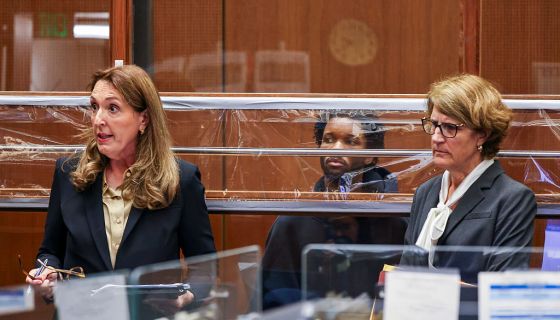
The courtroom was heavy with tension as emotions simmered among family, friends, and spectators. The gravity of the situation loomed large , a 14-year-old girl, Celeste Rivas Hernandez, was dead, and the artist now accused of her murder, David Anthony Burke, known professionally as d4vd, sat silently, his expression unreadable. This wasn’t just another case; it was a flashpoint in the ongoing conversation about violence in America, especially as it relates to youth. The preliminary hearing that spanned five days culminated on July 27, when Judge Charlaine Olmedo ruled that d4vd must stand trial. But what does this mean for the larger narrative surrounding youth, celebrity culture, and the justice system?
The allegations against d4vd are startling. They are intricately woven into the very fabric of Los Angeles, a city often seen as a hub of artistic expression but also a backdrop for violence and tragedy. Celeste's death has catalyzed discussions about the responsibility of artists and the impact of their actions on their communities. The stark reality is that while d4vd's fame afforded him a platform, it did not shield him from scrutiny or the legal consequences of his alleged actions.
Throughout the preliminary hearing, key takeaways emerged that could paint a chilling portrait of the events leading to Celeste's death. Witness testimonies, coupled with forensic evidence, began to form a narrative that was at once compelling and deeply unsettling. Accounts shared in court suggested a tumultuous interaction between d4vd and Celeste, with indications that the conflict may have escalated. What remains unanswered is the motive behind this alleged tragedy. Was it a crime of passion, an act of reckless disregard, or something more calculated? As the evidence unfolds, these questions will be crucial in the trial ahead.
The ruling to proceed to trial brings with it a barrage of implications. D4vd's career, which until now has been characterized by rising stardom, hangs in the balance. Should he be convicted, the repercussions extend beyond mere legal consequences; they loom large over the music industry, particularly for young artists who often grapple with fame and its accompanying pressures. The broader music culture is reflective of societal challenges, including the normalization of violence and the struggles many face in turbulent environments. This case may serve as a catalyst for change, urging a reevaluation of how we view accountability in a culture that celebrates artists, sometimes with little regard for their off-stage actions.
Such cases also shed light on systemic failures in the justice system, particularly regarding how cases involving young victims are handled. Celeste, a minor, deserved a community that fiercely protected her. Her tragedy raises concerns about how resources are allocated in cases involving young victims of violence. Are authorities equally invested in seeking justice for children from marginalized communities? The disparity in attention and resources devoted to cases of violence against youth often reflects deeper societal issues, including race and class.
The implications of this case extend beyond the courtroom. The cultural dynamics at play reveal a troubling pattern in the music industry, where artists often find themselves at odds with their own narratives. For young artists, the pressure to maintain an image, deal with fame, and navigate personal relationships can sometimes lead to disastrous consequences. D4vd’s story serves as a cautionary tale about the intersection of fame, mental health, and personal responsibility. As discussions about accountability in the industry grow louder, this case lays bare the essential need for support systems that encourage artists to confront their challenges openly, rather than succumbing to destructive patterns.
The aftermath of this preliminary hearing will undoubtedly reverberate throughout the music community and beyond. As the trial looms ahead, the public's focus will turn not only to the facts of the case but also to the moral implications of d4vd’s actions. The ongoing dialogue around youth violence, celebrity influence, and justice will be pivotal in shaping how future situations are approached. If we are to extract any lessons from this grim reality, we must commit to examining the cultural and systemic frameworks that contribute to such tragedies.
Advertisement
As the trial prepares to unfold, the community’s collective consciousness about accountability must evolve. D4vd's case is not an isolated incident; it reflects broader systemic issues demanding attention. How do we ensure that voices like Celeste's are heard and that justice is sought not only for her but for all young victims who have been silenced? This case calls for an urgent reevaluation of the systems in place that are supposed to protect the most vulnerable among us , our youth.
In the coming months, as the trial progresses, all eyes will be on Los Angeles, scrutinizing every detail and hoping for justice. The narrative surrounding Celeste's life will continue to unfold as an emblem of the youth we must protect. D4vd's journey from rising star to accused murderer serves as a stark reminder that fame brings with it immense responsibility. For artists and fans alike, this case is a clarion call to advocate for change , to ensure that the tragic loss of Celeste Rivas Hernandez is not forgotten and that her story ignites a movement for accountability in a culture that too often overlooks the consequences of violence.