Diddy Hospitalized: Allegations of Prison Party Life Emerge
By Renee Fontaine, PowerVault Staff Sean "Diddy" Combs, a towering figure in the hip-hop industry, has found himself at the center of a troubling situation, having been rushed out of jail due to a head injury. This in...
Advertisement

By Renee Fontaine, PowerVault Staff
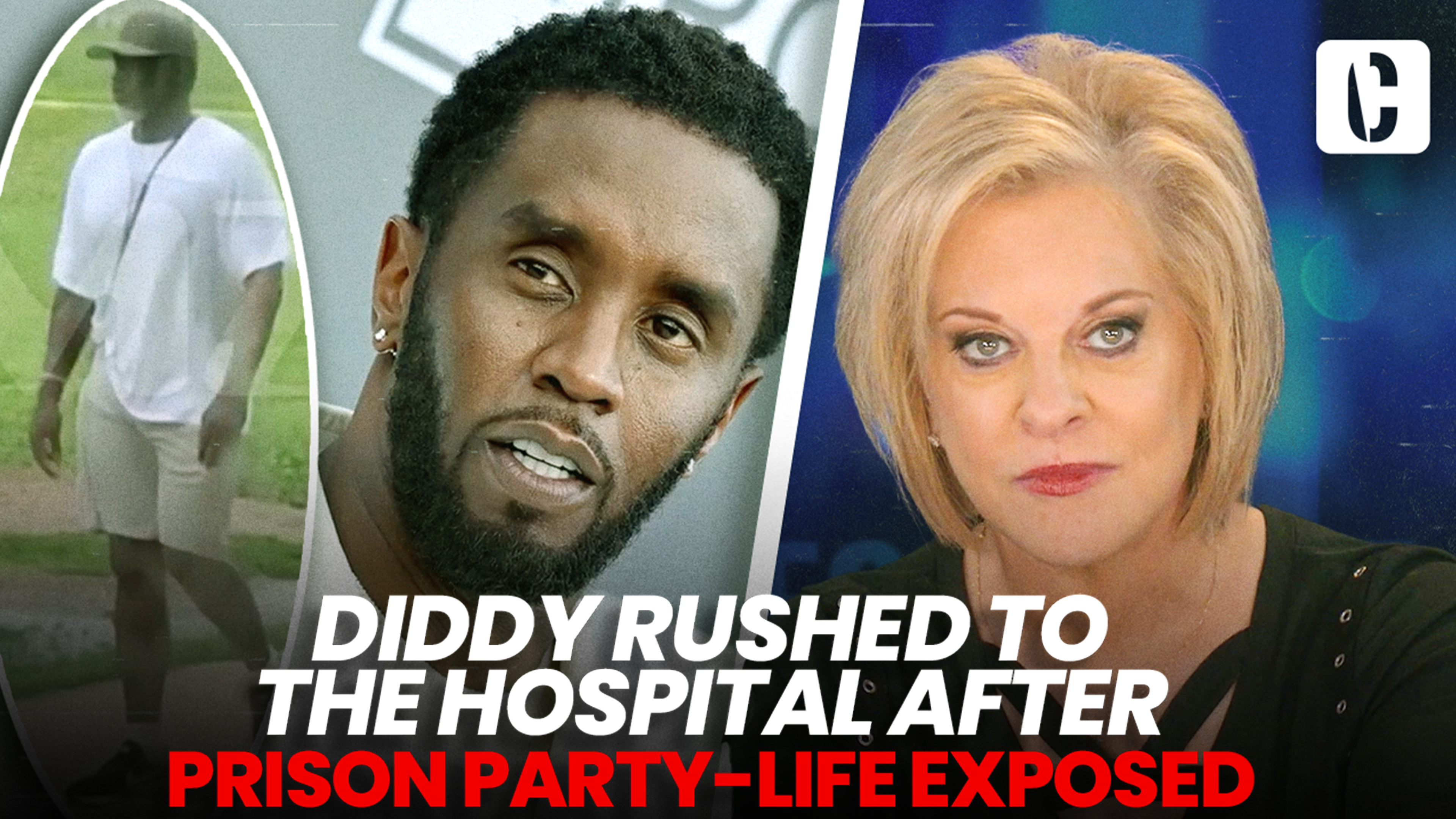
Sean "Diddy" Combs, a towering figure in the hip-hop industry, has found himself at the center of a troubling situation, having been rushed out of jail due to a head injury. This incident has sparked widespread discussion about the peculiar circumstances of his incarceration. The music mogul's injury is reportedly linked to claims of a 'prison party-life,' a term that has quickly gained traction in public discourse, shedding light on the possible preferential treatment of celebrities within the criminal justice system. These allegations prompt a deeper examination of how fame and wealth might influence the conditions of confinement, raising questions about fairness and equality that resonate far beyond the walls of any single institution.
Nancy Grace, known for her incisive legal commentary, has brought these developments to the forefront, compelling the public to scrutinize the circumstances surrounding Diddy's incarceration. As Grace highlights, the details of Diddy's head injury are murky, leaving room for speculation and concern. The allegations of a 'prison party-life' further complicate an already enigmatic narrative, suggesting that Diddy might be experiencing a level of privilege not afforded to typical inmates. Grace's coverage does more than report; it challenges the accountability of the justice system, urging officials and the public alike to question the conduct and benefits that may be extended to celebrity prisoners. Her insights push us to consider the broader implications of such disparities on the integrity of justice.
The unfolding drama of Diddy's time in jail transcends the immediate concern of his injury, serving as a window into a reality where high-profile inmates potentially encounter a different set of rules. This narrative suggests a dual justice system, one that diverges significantly for those with fame and financial clout. The latest revelations hint at a broader story of inequalities that permeate the penal system, highlighting the need for a critical examination of the privileges that might be extended to certain individuals. The accompanying video delves deeper into these issues, exploring the nuances and systemic factors that contribute to the seemingly disparate treatment of celebrity inmates compared to the general prison population.
In the video, a range of experts and commentators analyze how these alleged privileges for celebrities like Diddy might reflect broader systemic issues within the justice system. The debate centers on whether the treatment of high-profile inmates deviates significantly from that of average prisoners, questioning the extent to which these disparities are entrenched in the system. The allegations suggest a stark contrast in the penal system, where fame and wealth can skew the balance of justice. This conversation is not just about individual cases but about the structural inequalities that allow such differences to persist. By examining this issue, the video encourages viewers to consider the foundational principles of fairness and justice that should govern the penal system.
Combs's situation is emblematic of a larger pattern where financial resources and celebrity status appear to distort the workings of the justice system. Historically, celebrities have often experienced a different legal pathway, from the moment of their arrest to the conditions of their incarceration. The justice system has repeatedly faced accusations of bending its rules in favor of those with influence. The video accompanying this article offers further insights into similar cases, providing a broader context that highlights systemic failings. These narratives compel us to question the integrity of a system that professes equality but often falls short of delivering it, especially when confronted with the pressures of wealth and notoriety.
The pattern of preferential treatment extends beyond Diddy's case, reflecting a broader issue within the justice system. In 2014, rapper T.I. Was notably granted access to a private halfway house, an accommodation rarely afforded to average inmates. Similarly, Martha Stewart's incarceration involved a period at a comparatively comfortable facility, further underscoring the disparity. These instances are not isolated but part of a recurring theme where wealth and fame seem to influence legal outcomes, fueling public outcry and calls for systemic reform. Such cases challenge the foundational principle of equality before the law, prompting a critical examination of how justice is administered. The integrity of the system is at stake, as these examples highlight the need for a more equitable approach that ensures fairness for all, regardless of social and economic status.
Yet, this is more than about the individual instances. The issue digs into deeper systemic failures and asks if justice is genuinely served when wealth and notoriety can tip the scales in one's favor.
Diddy's alleged 'party-life' in prison puts a spotlight on the privileges afforded to certain inmates and the systemic failures that allow such disparities.
The allegations of Diddy's 'party-life' in prison bring into focus the privileges that may be afforded to certain inmates, raising significant questions about the systemic failures that permit such disparities. This situation reflects a justice system that may operate on dual tracks, one for the wealthy and famous and another for everyone else. The implications are profound, suggesting that money and influence can skew the administration of justice, challenging the notion of equal treatment under the law. These disparities call for a deeper investigation into how resources and status can impact incarceration experiences, urging a reevaluation of the principles that govern the justice system to ensure that it serves its foundational goal of fairness for all.
The implications for the music industry are significant, as these allegations threaten to tarnish not just Diddy's reputation but also that of an industry already familiar with legal controversies. The hip-hop world is no stranger to public scrutiny, with recent denials from artists like Big30 and strategic maneuvers by figures such as Rick Ross shaping its narrative. These stories contribute to a broader perception of the industry, potentially reinforcing stereotypes of legal entanglement and ethical ambiguity. If true, the allegations against Diddy could exacerbate these perceptions, prompting industry leaders to reflect on the values they project and the behaviors they endorse. The unfolding situation is a reminder of the complex relationship between celebrity culture and the justice system, highlighting the need for accountability and transparency within both spheres.
Within the community, these stories often highlight a significant disconnect between the daily realities faced by Black Americans and the perceived leniency afforded to wealthy peers. The disparities evident in cases like Diddy's show a justice system that remains deeply flawed, as the privileges money can buy starkly contrast with the injustices endured by many. These narratives resonate with a history of systemic inequality, reinforcing the notion that justice is not equally accessible to all. For many, this situation is a reminder of the ongoing struggle for fairness and equity, prompting a critical examination of the societal structures that perpetuate such divides. The conversation around these issues is essential in advocating for a justice system that genuinely reflects the principles of equality and impartiality.
Advertisement
The racial undertones of this story are impossible to overlook, as they highlight longstanding issues of inequality in the policing and incarceration of Black men in America. While some individuals may benefit from their social status and resources, the majority still confront the harsh realities of a biased system. This dichotomy serves as a stark reminder of the persistent challenges in achieving true equality under the law, as racial disparities continue to pervade the justice system. The story of Diddy and others like him shows the complexities of handling a legal scene where race and wealth can significantly impact one's experience, urging a continued focus on reform and accountability to address these entrenched inequalities.
As the narrative surrounding Diddy's legal situation continues to evolve, the focus will be on how these revelations might influence both his legal proceedings and his public image. The allegations have the potential to prompt significant change, challenging the status quo of celebrity treatment within the justice system. However, there is also the risk that they may become just another story, gradually fading from public consciousness without prompting meaningful reform. As this situation unfolds, it remains crucial to maintain pressure for an equitable justice system, one that holds all individuals accountable regardless of their fame or fortune. The ongoing dialogue about these issues is essential in striving for a justice system that truly embodies fairness and equality for all.