Angel Reese Dominates the Glass: What Her Rise Means for the WNBA and Beyond
By DeShawn Price, PowerVault Staff The intensity of the WNBA's Week 14 was palpable as fans tuned in for what would be the league's final stretch before a 16-day hiatus for the FIBA World Cup. The hardwood was sizzlin...

By DeShawn Price, PowerVault Staff
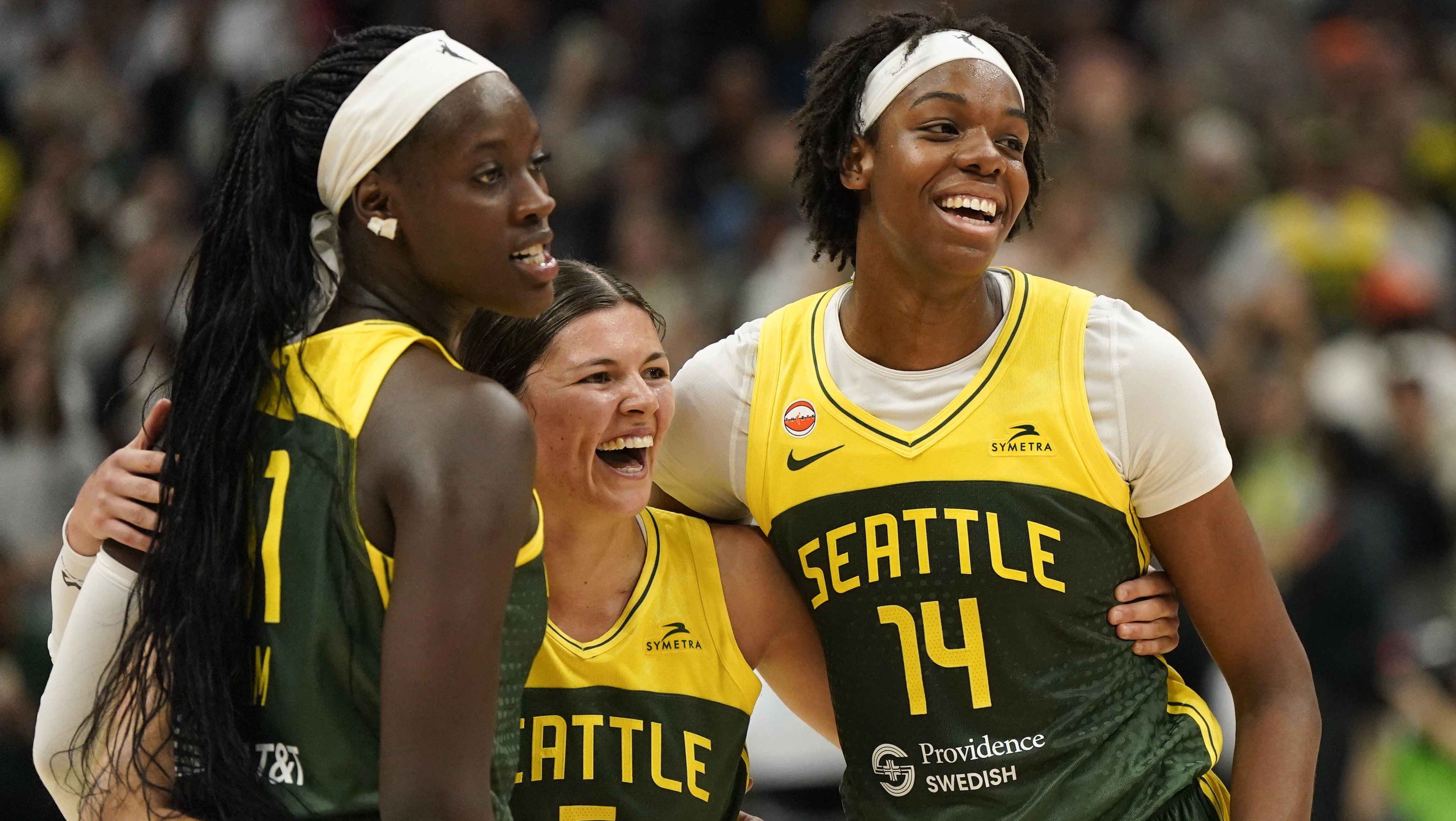
The intensity of the WNBA's Week 14 was palpable as fans tuned in for what would be the league's final stretch before a 16-day hiatus for the FIBA World Cup. The hardwood was sizzling, and young stars like Angel Reese were ready to take their game to the next level. Reese isn't just playing; she's redefining what it means to dominate the glass. As the cameras rolled and the crowd erupted, it became clear: this league is in a transitional phase, and the new generation is ready to claim their spotlight.
Angel Reese's presence on the court is like a lightning bolt, an electrifying force that changes the dynamics of any game. Her ability to snag rebounds, often pulling down double-digit boards, speaks volumes about her work ethic and tenacity. She’s not just showing up; she’s making a statement week in and week out. For those watching, it's a reminder that the WNBA is no longer just a stage for established stars. The league is a proving ground for young talent, and Reese is at the forefront of this evolution.
Meanwhile, with teams locking in their playoff spots, the stakes have never been higher. The league is filled with talent, from the likes of Caitlin Clark and her record-breaking performances to the fierce competition brought by teams like the Dallas Wings. Clark and her Iowa roots have made her a household name, bringing an unparalleled level of energy and excitement to the court. The synergy between Reese and Clark is palpable, and it raises an interesting question: What does this mean for the future of the WNBA?
For those who are fully plugged into the culture, the WNBA is more than just a sports league. It’s a cultural movement. It embodies the resilience and determination of Black women in sports, carving out a space that has historically been marginalized. The success of players like Reese and Clark represents a light breaking through the clouds of a long-standing underdog narrative. It’s not merely about their skills; it’s about representation and visibility. They carry the weight of expectation and hope, and they are doing it with grace.
This week also brought the news of other historic moments. Players like Kelsey Mitchell are not only shattering records but are also redefining what success looks like in the WNBA. When she scored a season-high 45 points, it wasn’t just a win for her team; it felt like a victory for all young Black women who aspire to take their talents to the next level. This type of representation in high-pressure situations speaks to a larger narrative about equity in sports. It challenges traditional notions of who can excel, and it’s a new chapter in a story that has long been dominated by a few names.
But let's not gloss over the systemic issues that still linger in the background. For every win celebrated in the WNBA, there's a deeper narrative about funding disparities, media coverage, and the continued struggle for respect in a world that often prioritizes men’s sports. As Reese and her contemporaries rise to the top, they do so on a foundation that has been built through the labor of those who came before them. The fight for equity is ongoing, and each highlight reel play is a reminder of what’s at stake.
Additionally, as the league prepares for its upcoming break, fans are left to ponder what this means for the future. Will the break allow players time to regroup and strategize for the playoffs? Or will it disrupt the momentum that has been built throughout the regular season? As the league transitions into its playoff phase, the anticipation is palpable. Teams that have cemented their playoff spots are strategizing, while those on the cusp are left to grapple with the uncertainty of the next few weeks.
Reese’s dominance on the boards isn’t just a personal achievement; it lays the groundwork for a new era in women’s basketball where young athletes are not merely seen but respected and celebrated. This shift is critical. The culture around women’s sports is growing, and as more fans invest their time and energy, the WNBA is beginning to see a renaissance. When young girls watch these games, they see possibilities that they might not have known existed. They see themselves on that court, wearing those jerseys, breaking records.
As the WNBA grows in stature and relevance, it’s a call to all fans to not only support but to challenge the narratives that have long been perpetuated about women in sports. The league is an ecosystem of talent, creativity, and empowerment. The question now becomes how to nurture that ecosystem and ensure that it thrives. The responsibility lies not just with the players but with all of us who engage with the culture.
The upcoming FIBA World Cup is an opportunity for the WNBA players to showcase their talents on a larger stage. It’s a chance for Reese, Clark, and others to represent not just their teams but an entire movement. The eyes of the world will be watching, and the hope is that the narratives of success continue to evolve. As these athletes step forward, they carry the legacy of their predecessors and the hopes of future generations.
This moment in the WNBA is about more than just basketball; it’s about identity, ambition, and the relentless pursuit of excellence. The league is set to return stronger than ever, but what will that strength look like? It's up to fans, commentators, and the players themselves to push the boundaries of what can be imagined. The future of women's sports is bright, and with rising stars like Angel Reese owning the glass and making history, the narrative is just getting started.