
Damian Lillard's Return to Portland: What It Means for the NBA and Black Athletes
By Malik Carter, PowerVault Staff The atmosphere in Portland was electric, almost as if the city itself was holding its breath in anticipation of something monumental. Damian Lillard, the prodigal son of the Trail Bla...
Advertisement

By Malik Carter, PowerVault Staff
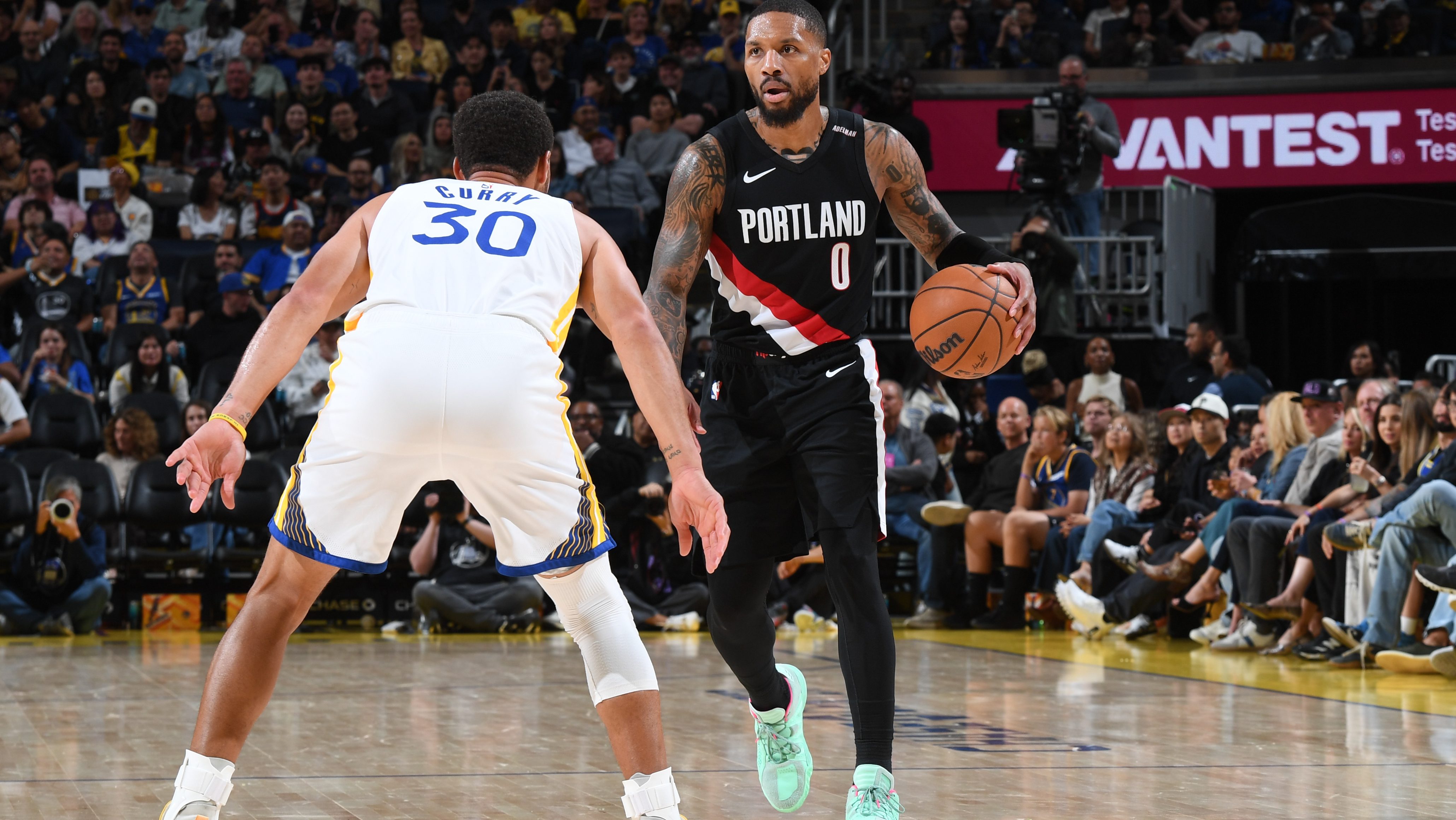
The atmosphere in Portland was electric, almost as if the city itself was holding its breath in anticipation of something monumental. Damian Lillard, the prodigal son of the Trail Blazers, was set to take the court after a grueling 18-month hiatus filled with doubts and rehabilitation. As he emerged onto the hardwood, the crowd erupted, welcoming back the swagger, skill, and leadership they had sorely missed. But this is more than about a game or a player returning to his team. This was a moment of redemption and resilience, not just for Lillard but for every Black athlete who's had to fight tooth and nail for their place in a system not built to support them.
After an Achilles injury in April 2025 during a crucial playoff game with the Milwaukee Bucks, Lillard's illustrious career came to an abrupt pause. The Bucks waived him, and he returned to Portland, the city where he became synonymous with the franchise's glory and grit. As reported by Andscape, Lillard's return is not just a comeback, it's a powerful statement of resilience and determination. By stepping back onto that court against the Phoenix Suns, he’s not just playing a game; he's about to remind everyone why he remains an indispensable icon in the NBA. His return is proof of his perseverance and a clarion call to those who doubt the tenacity of Black athletes in overcoming adversity.
The numbers tell one story, but the man behind them tells another compelling narrative. Lillard, the Blazers' all-time leading scorer, stands on the brink of making history yet again as he eyes the coveted 20,000-point milestone. His coach, Micah Nori, has expressed unwavering confidence in Lillard's return, highlighting that he will be adapting his game to emphasize his shooting prowess rather than relying on sheer explosiveness. This strategic shift not only showcases Lillard's basketball IQ but also represents a thoughtful evolution of his gameplay, allowing him to outmaneuver the inevitable wear and tear that comes with age and injury. For more insights into his determined road to recovery, check out the video below.
Returning from an Achilles tear is no small feat in the world of professional sports. History is littered with the struggles of athletes who've faced similar daunting comebacks, like the legendary Kobe Bryant and Dominique Wilkins. The Achilles tendon is an unforgiving injury, one that can redefine careers and set new trajectories. Lillard’s meticulous rehabilitation, where he ensured he “checked every box” before making his return, echoes compelling stories of perseverance from other athletes like Jalen Hurts. Hurts recently faced his own set of season-ending challenges, as documented in our coverage, demonstrating that the path to recovery is fraught with hurdles but also full of opportunities for those willing to fight.
Lillard's return to the court isn’t just a personal triumph; it’s a cultural moment, especially for Black athletes in the NBA who continually battle not just physical opponents but also a sports ecosystem rife with racial and economic complexities. The NBA, while a space where Black excellence is frequently celebrated, is not always a nurturing environment for sustaining it. As Lillard re-enters the scene, he carries with him the hopes and expectations of countless individuals who see him as more than just a player. They see him as a symbol of resilience and determination, a figure who embodies the relentless pursuit of excellence in a world that often fails to provide equal support.
This isn't the first rodeo for the loyal fans of the Trail Blazers. The team's storied history is steeped in tales of extraordinary talent and unyielding tenacity. From Bill Walton’s championship triumph in the 1970s to Clyde Drexler's dominance in the '80s and '90s, the Blazers have long been defined by narratives of overcoming the odds. Damian Lillard is set to add another compelling chapter to this legacy. He is a modern-day gladiator, having faced the slings and arrows of both injury and doubt, yet he stands ready to reclaim his place in the annals of basketball history. As he steps onto the court, he's not just chasing records; he's reigniting the spark of hope and pride for a team and a city that have always believed in his greatness.
But does the system value this resilience as it should?
Lillard's story isn't just about basketball; it's about resilience in a system that is often unforgiving to Black athletes.
In a sports scene increasingly dictated by metrics and bottom lines, Lillard's story transcends basketball; it's a tale of resilience in a system often unforgiving to Black athletes. The NBA may celebrate its stars with fanfare, but its machinery can be ruthless, chewing up and spitting out those who struggle to keep pace with its relentless demands. This comeback serves as a poignant reminder that beneath the jerseys and highlights, these athletes are warriors engaged in battles that most fans will never fully see or understand. Lillard's return is emblematic of the courage required to persist and excel in a world that doesn't always appreciate the human spirit behind the stats.
Lillard's determined comeback also raises critical questions about how the sports industry handles its Black athletes. The immense pressure to perform, the intense scrutiny of failure, and the perpetual fight to maintain one's place in the league make the NBA a crucible that many can't withstand. Lillard's decision to return on his terms, after taking a full season to recover fully, may serve as a blueprint for other athletes who feel the crushing weight of expectations. His journey shows the importance of self-care and the right to dictate one's own narrative in an industry that often prioritizes profit over people.
For the community watching, Lillard's journey serves as both an inspiration and a cautionary tale. It's an inspiration for those who find strength in his resilience and determination, proof of the power of perseverance in the face of overwhelming odds. Yet, it also serves as a cautionary reminder of the unforgiving nature of professional sports, where the stakes are high and the support often conditional. This duality is not new. It's the same complex reality we observed with Mystikal’s turbulent journey through the music industry, as chronicled in our reports. Both stories highlight the harsh realities and sporadic triumphs faced by those handling spaces not designed for their success.
On the matter of race and class dynamics, Lillard's narrative proves the unique challenges Black athletes face in predominantly white spaces. These arenas are far from neutral; they're battlegrounds where talent is constantly put on trial, forced to justify its worth amid silent, systemic biases. Lillard’s return to the game isn't merely about basketball; it's a stand against a backdrop of racial complexities that continue to permeate the sports industry. His story explains the invisible struggles and systemic obstacles that Black athletes must handle, serving as a powerful reminder that their achievements are often hard-won and fraught with additional burdens.
Advertisement
As Lillard prepares to grace the court once more, the eyes of the sports world are keenly watching. Will he reclaim his status as the same clutch player with an unyielding killer instinct, or will he redefine how greatness is measured in the aftermath of a career-altering injury? There's more at stake here than just points and victories; there's a legacy, a community, and an entire system observing closely, waiting to see how this narrative unfolds. The culture is waiting with bated breath, ready to witness how Lillard will once again rise to the occasion and defy the odds stacked against him.
So as Lillard steps onto the court, it's not just about basketball. It's about proving that no matter the number of critics or the force of the fall, resilience is the ultimate comeback story. And in that, every Black athlete watching has a reason to stand tall, knowing that the game is far from over.



