
Donald Trump and Forgiveness: Why His Answer Matters
By Marcus Ellison, PowerVault Staff Donald Trump said he may never forgive political enemies, even when asked whether forgiveness could determine his entry into heaven. That answer needs no extra seasoning. The presid...
Advertisement

By Marcus Ellison, PowerVault Staff
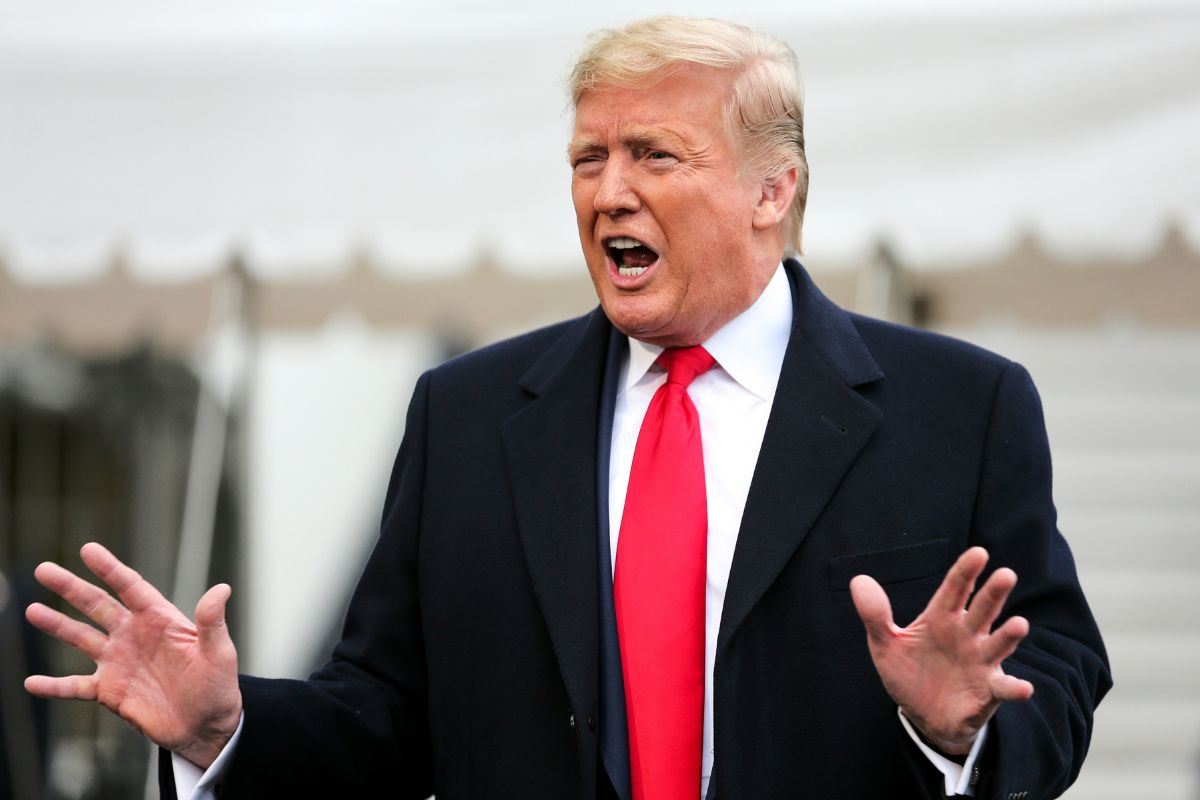
Donald Trump said he may never forgive political enemies, even when asked whether forgiveness could determine his entry into heaven. That answer needs no extra seasoning. The president described himself as religious and said he wanted to avoid hell. Yet a question about forgiving James Comey and Nancy Pelosi brought him back to familiar ground: grievances, prosecutions and people he believes wronged him. The distinction matters. Trump did not literally announce a preference for hell over heaven. He declined to promise forgiveness under a hypothetical that made the stakes that high. The actual answer gives readers plenty to examine without inflating it.
The exchange appears in the account of Trump's first interview after the midterms with Ross Douthat for 60 Minutes. CBS News provides a full interview transcript. Douthat asked whether Trump could forgive opponents such as Comey, the former FBI director, and Pelosi, the former House speaker, if heaven required it. Trump had already identified himself as religious and said he hoped to reach heaven, not hell. This was a hypothetical about his faith, not a claim about anybody's actual final judgment. The broader conversation covered Republican midterm losses, immigration, the economy, Iran, Ukraine and potential MAGA successors. But this question cut through the policy discussion and tested something more personal: whether his stated beliefs could place limits on his anger.
Trump answered by describing those opponents as dishonest and damaging to the country. He brought up his indictments, his two impeachments and what he characterized as government weaponization. Those are his explanations for the hostility, not proof that every accusation against him was illegitimate. Then came the line that carries the story: “I probably cannot do that, no, because I do hate some of my enemies and I always will,” Trump said. The word “probably” leaves a little room. “Always” pulls it almost shut. That tension deserves more attention than a headline pretending he booked an eternal destination. The accompanying video belongs alongside the reported exchange, not a more dramatic substitute for it.
That reported answer also followed a revealing setup. Douthat's question reached back to Charlie Kirk's September 2025 memorial service in Arizona. Erika Kirk had spoken about forgiving the man accused of killing her husband. Trump later contrasted Charlie Kirk's desire for his opponents' well being with his own outlook. His line drew laughter at the memorial. Those details matter because the comparison did not begin with a campaign insult or an argument over polling. It began with a widow discussing forgiveness after a devastating loss. Trump was describing political enemies in that setting. More than a year later, the remark became something he had to answer for beyond that room. Douthat later asked whether the same position would survive a direct test of Trump's religious commitments.
Pressed during the interview, Trump did not reach for an easy expression of grace. According to the account, he said a simple yes would feel false. He instead placed his love of country above any obligation he felt toward people he considered destructive. Douthat pointed to the advantages and success Trump had received throughout his life. Still, the president would not promise forgiveness. That is a meaningful distinction from an impulsive remark immediately walked back. He received another opening and stayed with the grievance. The source also describes laughter at the earlier memorial, but laughter establishes a response, not agreement from everyone present. The second accompanying video provides another point of reference.
The memorial context makes this contrast especially stark, but Trump's public resistance to apology has older roots. His 1989 newspaper advertisements called for restoring New York's death penalty amid the Central Park jogger case. Five Black and Latino teenagers were wrongly convicted in that case and later exonerated. Asked about them in 2019, Trump declined to apologize. That history does not prove what he would do in every future dispute. It does show why another declaration of permanent hostility cannot be treated as a personality quirk floating free of consequences. For Black readers, the question is not just whether he sounds stubborn. It is whether being proven wrong ever changes what he owes somebody. Hip Hop has its own counterexample: Jay Z and Nas moved beyond their bitter 2001 battle, sharing a stage at the 2005 I Declare War concert.
The real test begins when a powerful man's private resentment becomes everybody else's public problem.
A president can keep a personal grudge, but the public should never have to finance it.
For Trump personally, the answer exposes a limit in the brand of strength he sells. Refusing to fold can look principled when somebody demands a false confession or an undeserved apology. Refusing even the possibility of forgiveness is a different commitment. It lets an opponent occupy permanent space in a person's decisions. There is nothing weak about remembering harm, setting boundaries or seeking lawful accountability. Forgiveness does not require pretending an injury never happened. But Trump was offered room to imagine a future beyond the grudge and declined it. His explanation put love of country above forgiveness, as though releasing personal hatred would mean abandoning his public responsibilities. A leader who promises endless hostility deserves scrutiny over what that promise costs. Emotional honesty can explain an answer without making it wise.
For the system, the concern is power rather than manners. A president influences appointments, enforcement priorities and the public's trust in federal institutions. A declaration of hatred does not establish that any particular government action is retaliatory. Reporters still need records, decisions and evidence before making that charge. Calling an opponent destructive cannot substitute for a legal basis, and invoking the country does not automatically establish a public interest. But the declaration makes independent oversight more important, not less. A president can keep a personal grudge, but the public should never have to finance it. PVN's examination of who gets condemned and who gets a pass approaches a related problem: public judgment often changes with the person holding the microphone. Standards mean little if status keeps deciding when they apply.
For readers raised on diss tracks, reaction streams and endless receipts, the temptation is to score this like another beef. Who stood firm? Who sounded afraid? Who gave the better clip? Those questions can entertain without helping anybody judge a presidency. A rapper can turn unresolved conflict into a record that listeners choose to purchase. Citizens cannot opt out of federal authority with the same ease. A memorable answer can win the timeline while leaving the actual question of fitness for public responsibility untouched. PVN's coverage of Nicki Minaj's political support and the response to it sits at that intersection of celebrity loyalty and public power. The useful audience habit is the same: separate identification with a personality from agreement with a decision. Being compelling does not make somebody correct.
Black audiences also know that demands for grace rarely arrive on equal terms. After the 2015 murders at Charleston's Emanuel AME Church, several victims' relatives publicly expressed forgiveness toward the killer. Their choices deserved respect because those choices belonged to them. They did not create an obligation for every grieving Black family to perform forgiveness for public comfort. That distinction belongs in this conversation. Erika Kirk's decision likewise belonged to her, not to politicians seeking a favorable comparison or audiences demanding one. A grieving family owes the country no reassuring performance. A president, however, owes the public lawful and impartial governance regardless of personal feeling. The standard should not be harsher for people surviving harm than for someone commanding federal power. Wealth and office should increase accountability, not purchase an exemption from it.
Advertisement
What deserves attention next is conduct. Watch whether appointments reward personal loyalty over public duty. Examine whether official decisions have documented legal grounds, especially when they involve declared enemies. Ask religious allies how they reconcile the president's answer with the forgiveness they preach, without pretending all believers think alike. None of that requires predicting Trump's salvation or judging the sincerity of his faith. It requires taking his words seriously while refusing to let a provocative clip replace scrutiny. The presidency comes with powers no entertainer possesses and obligations no applause can erase. The public should judge how he uses them, not how convincingly he holds a grudge.
More from PowerVault Network:
