Duke University Faces Lawsuit Over 'Put Up Your Dukes' Slogan
By Tanya Brooks, PowerVault Staff Duke University finds itself under intense legal scrutiny, embroiled in a heated battle with KDukesBoxing Inc., a Black-owned boxing brand. At the heart of this David vs. Goliath saga...
Advertisement

By Tanya Brooks, PowerVault Staff
Duke University finds itself under intense legal scrutiny, embroiled in a heated battle with KDukesBoxing Inc., a Black-owned boxing brand. At the heart of this David vs. Goliath saga is the alleged unauthorized use of the trademarked slogan 'Put Up Your Dukes.' KDukesBoxing's founder, Kevin Dukes, a Marine Corps veteran who has fought on many fronts, is now fighting to protect his company’s intellectual property. This is more than about a catchy phrase; it's about defending the rights of a Black entrepreneur who has built a brand that champions empowerment and inclusivity in the often exclusive world of sports. Duke University, a powerhouse in academia and athletics, is being challenged to respect those rights.
The legal drama unfolded on May 29 when KDukesBoxing, a trailblazer in the boxing equipment sector, filed a lawsuit against Duke University. The Duke Chronicle was the first to report that the university allegedly used the boxing brand's trademarked slogan 'Put Up Your Dukes' across various promotional materials. These ranged from eye-catching stadium billboards to popular T-shirts sold in campus stores, all done without the company’s permission. The phrase itself is a clever play on words, rooted deeply in boxing culture while also nodding to the founder’s own last name, Dukes. This case brings to light the tension between a small but significant Black-owned business and a major educational institution.
KDukesBoxing, founded in New York in 2016, represents more than just another name in sports equipment. The brand has carved out a unique space in the market by prioritizing empowerment, diversity, and inclusivity. It has aligned itself with important causes like autism acceptance and cancer awareness, reflecting a commitment to community beyond commerce. The company holds two federal trademarks: one for its distinctive logo featuring boxing gloves poised in an uppercut stance, and another for the slogan itself. According to KDukesBoxing, they informed Duke University of their trademark rights as early as October 2017, yet the university allegedly persisted in using the slogan, setting the stage for this contentious legal clash.
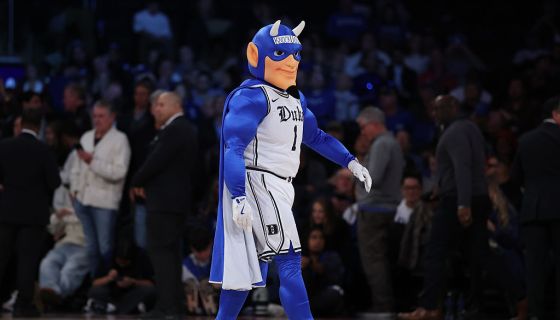
Things escalated to a new level in August 2024 when Duke University rolled out a promotional campaign centered around its Bull City logo. While the logo itself did not include the controversial slogan, 'Put Up Your Dukes,' the university integrated the phrase extensively throughout its marketing materials. This included high-visibility platforms such as social media and billboards scattered across Durham, as well as in-person settings like Wallace Wade Stadium. Merchandise emblazoned with the phrase was also reportedly sold in university stores, further entrenching the slogan in Duke’s branding efforts. This widespread usage of the slogan by Duke puts a spotlight on the boundaries of intellectual property and respect for established trademarks.
The lawsuit filed by KDukesBoxing shows a critical concern: the potential for consumer confusion between their brand and Duke University. The legal complaint argues that such confusion could tarnish KDukesBoxing's reputation and negatively impact its financial interests, as consumers might mistakenly associate the company's products with the university. In response, KDukesBoxing is not only seeking monetary reparations but also demands a jury trial to address these grievances. Furthermore, they are calling for Duke University to cease all use of the slogan and to destroy any merchandise bearing it. This legal action represents a significant step in protecting the integrity and commercial viability of KDukesBoxing’s carefully constructed brand identity.
Trademark disputes are nothing new in the world of big brands and high-profile personalities. Beyoncé's infamous legal tussle with the creators of Feyoncé merchandise in 2016 serves as a prime example of how fiercely intellectual property rights are defended. These battles often revolve around the control and monetization of popular phrases and imagery, but when a Black-owned business is involved, it highlights deeper societal issues. The struggle shows the challenges Black entrepreneurs face in safeguarding their creations from being appropriated by larger, more powerful entities. In the case of KDukesBoxing, it’s not just a legal matter; it’s a fight for ownership, representation, and the respect due to Black creativity.
What's truly at stake in this legal face-off?
This is more than about words on a T-shirt; it's about respecting the legacy and labor of Black entrepreneurs.
For Kevin Dukes and his company, this lawsuit transcends mere trademark infringement; it's a stand against the systemic forces that regularly exploit Black creativity. This is a struggle for acknowledgment and fair compensation for the cultural contributions that often go unrecognized yet are eagerly monetized by large institutions. The slogan on trial is not merely a phrase on merchandise; it embodies the spirit, hard work, and innovation of a Black entrepreneur who has poured his passion into building a brand. By taking on Duke University, KDukesBoxing is asserting its right to benefit from its own creations and demanding the respect and recognition that are long overdue.
Within the broader business scene, KDukesBoxing's legal fight casts a spotlight on the persistent vulnerabilities faced by small Black-owned enterprises. Intellectual property theft is a looming threat, and this case serves as a stark reminder that mere rhetoric about diversity and inclusion falls short when institutions fail to engage meaningfully with the Black business community. The clash with Duke University explains deeper systemic issues that pervade the industry, challenging institutions to move beyond token gestures and genuinely support Black entrepreneurs. As the community rallies around KDukesBoxing, the case becomes a rallying cry for fair treatment and equitable opportunities in a highly competitive marketplace.
Observers of this legal battle are not just passive spectators; they are active participants in a larger cultural dialogue. This lawsuit echoes the struggles faced by artists in the entertainment industry, highlighting the ongoing conflicts over intellectual property rights with major corporate players. Understanding these dynamics is essential to grasp the true stakes of the case, mirroring the battles waged by artists like Cardi B, who has been vocal about protecting her creative rights. The outcome of this case will resonate beyond the courtroom, influencing how similar issues are perceived and handled in the future, particularly for those handling the complex intersections of race, creativity, and commerce.
Race and power dynamics are intricately woven into the fabric of KDukesBoxing's legal struggle against Duke University. The challenges that Black entrepreneurs face in defending their intellectual property from encroachment by powerful entities are not new, but they are increasingly coming to the forefront. Much like PlaqueBoyMax’s bold confrontation with media figures over sensitive racial issues, this legal battle questions the fairness and ethical considerations within commercial dealings. It highlights the need for systemic change to ensure that Black creators and business owners are not only protected but can thrive without fear of their innovations being taken over by those with more resources and influence.
As we watch this case develop, the repercussions could extend far beyond the legal arena. This situation presents an opportunity for institutions like Duke University to reflect on their practices and re-evaluate how they engage with Black-owned businesses and intellectual property. Will this be a turning point that leads to more equitable interactions, or will it become another chapter in the ongoing narrative of cultural appropriation? The outcome will not only influence Duke's policies but could also set a precedent for how other major entities approach similar disputes in the future. The legal proceedings will be closely watched for their potential to reshape the world of intellectual property rights and recognition for Black entrepreneurs.
Advertisement
In the end, Kevin Dukes's fight for his brand's identity is a call to action for fairness and recognition. As we watch the legal process play out, it’s clear that this isn’t just a legal battle, it’s a critical moment for Black entrepreneurship and the respect it demands. KDukesBoxing’s challenge isn't just against a university; it's against a system that too often takes without asking.
More from PowerVault Network: