Why Did Javier Gomez Get Only Five Years for a Brutal Racist Attack?
By Andre Coleman, PowerVault Staff The sun dipped low over Thousand Oaks, California, casting long shadows across the manicured lawns of one of the wealthiest neighborhoods in the country. In this affluent enclave, a...
By Andre Coleman, PowerVault Staff
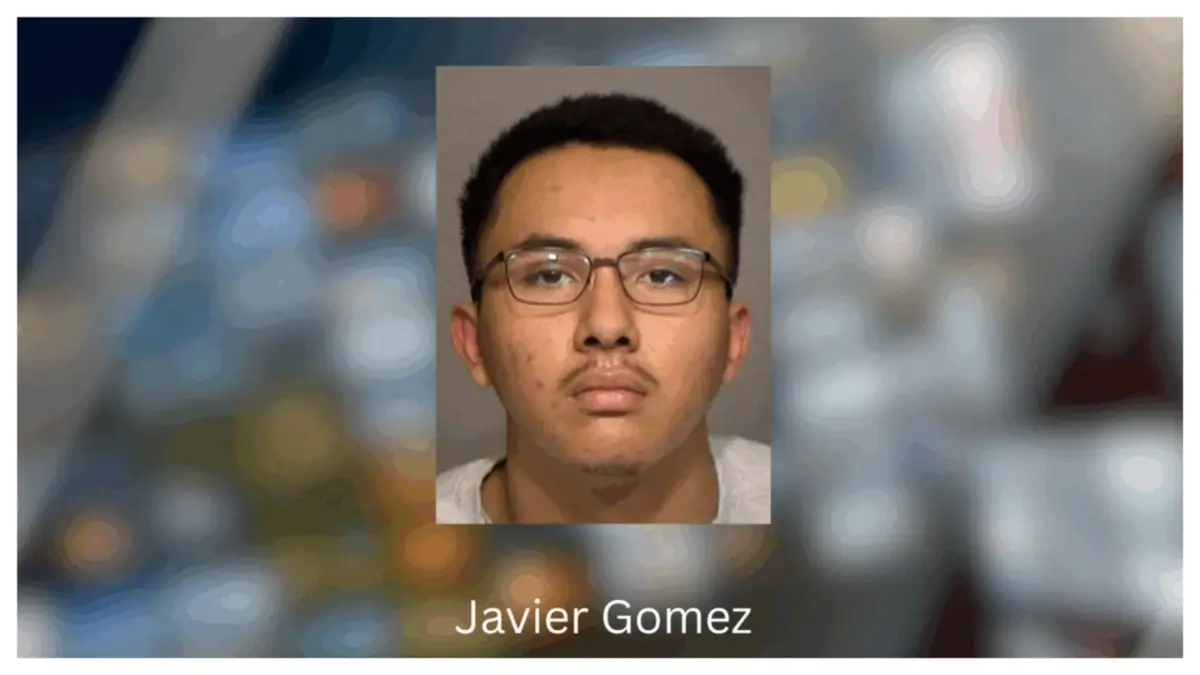
The sun dipped low over Thousand Oaks, California, casting long shadows across the manicured lawns of one of the wealthiest neighborhoods in the country. In this affluent enclave, a disturbing act of violence erupted last year, one that would leave a Black man suffering from cognitive and vision issues for months. The perpetrator? Javier Gomez, a 21-year-old who claimed to be a wannabe gang member, wielding a bat in a shocking hate crime. The public outcry in the aftermath of Gomez's sentencing to just five years has ignited a fierce debate about justice, privilege, and the systemic failures of the legal system.
On April 27, 2026, Gomez pleaded guilty to felony assault with a deadly weapon, garnished with a hate crime enhancement, as well as allegations of gang affiliation. Despite the gravity of his actions,striking a stranger while shouting racist slurs,the plea deal he received resulted in a sentence that many view as a slap on the wrist. Five years for a crime that left the victim with lifelong injuries raises critical questions. Who benefits from this leniency? And at what cost?
The victim, a Black man who found himself in the wrong place at the wrong time, became a target for Gomez's aggression. Over the past year, the physical and emotional toll of the assault has altered his life trajectory, yet the judicial response appears inadequate. In a climate where hate crimes have surged, particularly against marginalized communities, the leniency shown to Gomez not only undermines the severity of his actions but also sends a message about the disparity in how justice is served based on race and socioeconomic status.
Thousand Oaks, known for its affluence, also has a reputation for its predominance of whiteness. This context amplifies the impact of Gomez's actions. A wealthy white man attacking a Black stranger has deeper implications that reverberate beyond the individual case. This isn't just a story about one man's violent outburst; it reflects a broader pattern of racial hatred that has persisted in America, particularly in spaces where privilege shields individuals from the consequences of their actions. In this case, Gomez’s privilege seems to have translated into a light sentence, raising legitimate concerns about the efficacy of the justice system in addressing hate crimes.
The question of privilege looms large here. While Gomez flaunted his gang affiliation, it seems more a mark of bravado rather than a genuine connection to a community. His actions resemble a tragic performance of masculinity, where violence and racism intersect in a bid for social acceptance among peers. This begs the question: How does a young man from a wealthy neighborhood believe he can act with such impunity? Such incidents point to a culture that often allows those with economic and social capital to evade the confines of accountability. The leniency shown in Gomez’s sentencing arguably mirrors a broader theme,when the perpetrators of violence against marginalized communities hail from affluent backgrounds, systemic protections often mitigate the consequences.
The ramifications of this incident extend beyond the courtroom and into the community. As the victim continues to grapple with the aftermath of the attack, Thousand Oaks finds itself at a crossroads. Will the community reckon with the racial tensions that plague it? Will there be a movement to hold those in power accountable for their failures to protect the most vulnerable? These are pressing questions that require vigilant engagement from both local residents and policymakers. The public reaction, manifesting as outrage and disbelief, highlights a growing recognition of these systemic injustices.
Public sentiment has shifted, and the cries for accountability echo louder than ever. The call for justice is not simply about punishing an individual; it is about confronting the systemic failures that allow such brutality to occur unchecked. The disparity between Gomez’s sentence and the life-altering consequences faced by the victim starkly illustrates the inequities that permeate the justice system.
The case also raises an uncomfortable truth about the power dynamics at play in the justice system. When evaluating hate crimes, the intersection of race, class, and privilege becomes crucial. The suggestion that a young man from a wealthy background can minimize the effects of his actions through a plea deal that ultimately results in a five-year sentence raises alarms about justice in America. It forces us to question not only the effectiveness of the courts but also the societal structures that support and protect individuals like Gomez while failing to extend the same mercy and consideration to marginalized victims.
For those in the community, the next steps remain unclear. Will the outrage translate into actionable change? Activists and community leaders are calling for a reassessment of how hate crimes are prosecuted and the sentences that accompany them. The complexities of racial and socioeconomic disparities in justice must be addressed head-on. Public dialogue about systemic racism must evolve into tangible policy changes, ensuring that all individuals, regardless of their background, receive fair treatment under the law.
In this instance, the entire ordeal forces a reflection on America's ongoing struggle with race and class. Forcing communities to confront their own prejudices is critical in fostering an environment where such violence does not take root. The public's anger is justified, and it must serve as a catalyst for action. The challenge lies in harnessing that anger into a movement capable of inflicting real change.
As Javier Gomez serves his five-year sentence, society must come to grips with the uncomfortable truths laid bare by this case. The privilege that allowed him to evade significant consequences for a brutal racist assault is reflective of the broader societal fractures that must be addressed. The struggle for justice is far from over, and it’s a fight that demands the active participation of all who seek to dismantle the structures that allow hate to thrive.