FAMU Homecoming Shooting: What Happened and What It Means for HBCU Safety
By Renee Fontaine, PowerVault Staff In a harrowing turn of events, a shooting near Bragg Memorial Stadium shattered the Florida A&M University (FAMU) homecoming festivities, leaving 12 injured, including six children....
Advertisement

By Renee Fontaine, PowerVault Staff
In a harrowing turn of events, a shooting near Bragg Memorial Stadium shattered the Florida A&M University (FAMU) homecoming festivities, leaving 12 injured, including six children. The attack, which occurred after the homecoming football game, has left the Tallahassee community grappling with fear and anger. As the dust settles, questions continue to swirl around how such an act of violence could erupt during a cherished HBCU event, which is traditionally a celebration of unity and cultural pride. These gatherings are meant to be safe spaces for the community to come together, celebrate achievements, and honor the legacy of Black excellence. Instead, this incident has turned a moment of joy into one of mourning and reflection. The community is now left to confront not only the immediate aftermath of the tragedy but also the broader implications for safety and security at future events.
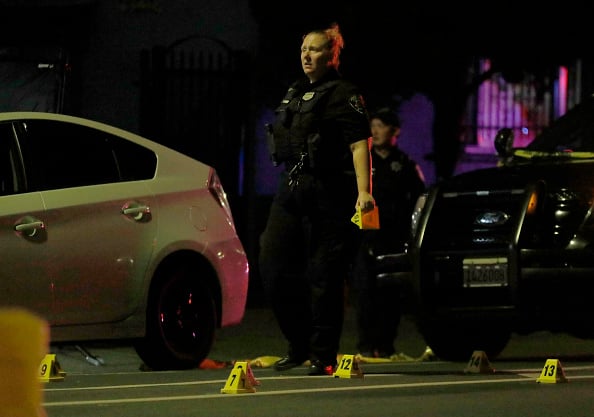
The chaotic scene unfolded Saturday night, with gunfire disrupting what should have been a joyous celebration. According to the Tallahassee Democrat, 11 of the victims suffered gunshot wounds, while another was injured in the ensuing panic. Among the wounded were a FAMU student and an 11-year-old child, both emblematic of the diverse makeup of those who attend these gatherings, from students to families, alumni, and local residents. As of early Sunday, three victims remained in serious condition, with one critically wounded, highlighting the potential for lasting physical and psychological scars. The unexpected eruption of violence shook the sense of security that many felt, transforming a night of community bonding into a scene of chaos and fear. As families awaited news of their loved ones, the initial shock began to give way to a collective call for answers and accountability.
News of the shooting spread quickly, leaving many scrambling for answers. The incident occurred as the crowd began to thin, yet hundreds remained in the vicinity. Tailgaters, vendors, and alumni filled the perimeter, transforming a celebration into a scene of chaos. Witnesses reported hearing screams and seeing people run in all directions, adding to the pandemonium. The eyewitness accounts below capture the sense of urgency and fear that gripped the crowd. As people fled, the scene was further complicated by the darkness of the evening, which intensified the confusion and fear. The panic was palpable, with some attendees unsure of where the gunfire originated or how best to reach safety. This atmosphere of uncertainty only deepened the trauma for those present, as they were forced to handle an environment that had suddenly become hostile and unpredictable.
The severity of the trauma was evident in firsthand accounts. One parent recounted on social media how their 14-year-old daughter was trampled while trying to flee, resulting in sprained ankles. These visceral experiences highlight the vulnerability of those present and paint a grim picture of the night's events. As a parent wrote, 'This could have been any of our babies,' underscoring the personal impact of the violence. The fear that gripped parents as they searched for their children amidst the chaos is a stark reminder of the real and immediate threat posed by such incidents. For many, the emotional scars of this night will linger long after physical wounds have healed, as families grapple with the reality that a space once perceived as safe was irrevocably altered in an instant.
The shooting overshadowed a weekend meant for unity and celebration among the FAMU community. Homecoming, a time for reconnecting with friends and alumni, was marred by this senseless violence. For many in Tallahassee, such incidents disrupt the very fabric of community gatherings. A reported bystander describes the emotional aftermath in the video below, which shows the raw emotions and immediate reactions to the shooting. The rupture of this annual tradition by violence speaks to broader societal issues, where even spaces of cultural affirmation are not immune to the threats that loom large over Black communities. Attendees who looked forward to sharing stories, reliving memories, and building new connections found themselves instead handling the aftermath of trauma, as the joyous occasion was replaced by a somber reality.
This isn't the first time an HBCU event has been tainted by violence. In 2019, a similar tragedy struck the city of Greensboro during North Carolina A&T State University's homecoming. Such recurring patterns of violence at Historically Black Colleges and Universities call into question the safety measures and policing strategies in place to protect Black lives in these contexts. The parallels are stark and troubling. These incidents highlight a disturbing trend where spaces meant for empowerment and celebration are repeatedly compromised, raising critical questions about the effectiveness of existing security protocols. The persistent threat of violence at HBCU events shows a broader societal neglect, one that fails to prioritize the safety and well-being of Black communities, leaving them vulnerable and often forced to fend for themselves in times of crisis.
Homecomings should be a sanctuary for celebration, not a scene of tragedy.
This incident does not just affect the victims; it shakes the entire community, questioning the safety of spaces meant for celebration.
The implications of this incident run deep. For FAMU and other HBCUs, it highlights the urgent need to reassess security measures to ensure the safety of students and community members. These institutions are often underfunded and underserved, a reflection of systemic issues faced by predominantly Black spaces. The cost of celebrating Black excellence should not be paid with fear or injury. The disparities in resources allocated to HBCUs compared to predominantly white institutions are glaring, and this inequity is reflected in the ability to provide adequate security. The responsibility to ensure safety should not fall solely on the shoulders of these institutions; it requires a concerted effort from local and state governments, as well as federal support, to create an environment where Black joy can flourish without the shadow of potential violence.
This incident does not just affect the victims; it shakes the entire community, questioning the safety of spaces meant for celebration. As we reflect on the importance of preserving cultural heritage and communal gatherings, the question of adequate security becomes paramount. How can communities protect cherished traditions without sacrificing safety? The challenge lies in balancing the need for open, welcoming environments with the necessity of safeguarding those who attend these events. It demands a reimagining of security not as a barrier to celebration, but as an integral component that enhances the experience. Engaging community members in these discussions can lead to innovative, culturally sensitive approaches that honor the spirit of these gatherings while ensuring the well-being of all participants.
The aftermath of the shooting has also ignited conversations about societal negligence toward Black safety. Comparisons can be made to other incidents where Black spaces are targeted or overlooked in terms of security. The system must answer for these lapses that jeopardize Black joy and unity. The recurring nature of such violence points to a broader pattern of neglect, where Black lives are systematically undervalued, and their safety is deprioritized. This negligence is not only a failure of law enforcement but of societal structures that consistently marginalize Black communities. Addressing this issue requires more than just reactive measures; it calls for a proactive commitment to justice, equity, and the implementation of policies that prioritize the protection of Black spaces.
Advertisement
Race, class, and community dynamics are intricately woven into this narrative. The incident lays bare the systemic neglect and lack of proactive measures to safeguard Black lives. It puts a spotlight on how resources are allocated and why spaces meant for empowerment often become targets of violence. Protecting Black gatherings calls for a more profound commitment to addressing these disparities. The intersectionality of race and class further complicates the issue, as economic disenfranchisement often limits access to resources that could enhance safety. The challenges faced by Black communities are layered, requiring solutions that address the root causes of violence while also providing immediate support for those affected. It is a call to action for society to recognize and rectify the injustices that continue to place Black lives at risk.
Looking ahead, there must be a collective effort to prevent such tragedies. This includes a reevaluation of policing strategies, funding for protective measures, and fostering a culture of safety at HBCU events. The charge is clear: safeguard the spaces that celebrate Black culture and community. As the community heals, the focus should be on building a secure future for gatherings that uplift and unite us. This shooting might have cast a shadow, but it also lights a path for necessary change. By learning from this tragedy and implementing comprehensive security measures, we can ensure that future events are not marred by violence but are instead true celebrations of the resilience and brilliance of Black communities.