Fantasy Football Week 6: How Justin Herbert's Struggles Mirror Broader NFL Trends
By Renee Fontaine, PowerVault Staff The floodlights beam down on the field, casting a stark contrast against the gridiron. It's a brisk October evening, and the anticipation in the air is palpable, almost electric. Fa...
By Renee Fontaine, PowerVault Staff
The floodlights beam down on the field, casting a stark contrast against the gridiron. It's a brisk October evening, and the anticipation in the air is palpable, almost electric. Fantasy football managers across the country lean in, eyes glued to their screens, trying to decipher the ever-shifting tide of the NFL as Week 6 looms. High-profile players like Jalen Hurts are sidelined, adding layers of complexity to their decisions. The absence of such stars demands a deeper understanding and a keen eye to see beyond the surface-level stats. It's not just about numbers anymore; it's about reading the subtle cues that might turn the tide of a fantasy season, making every decision a potential game-changer.
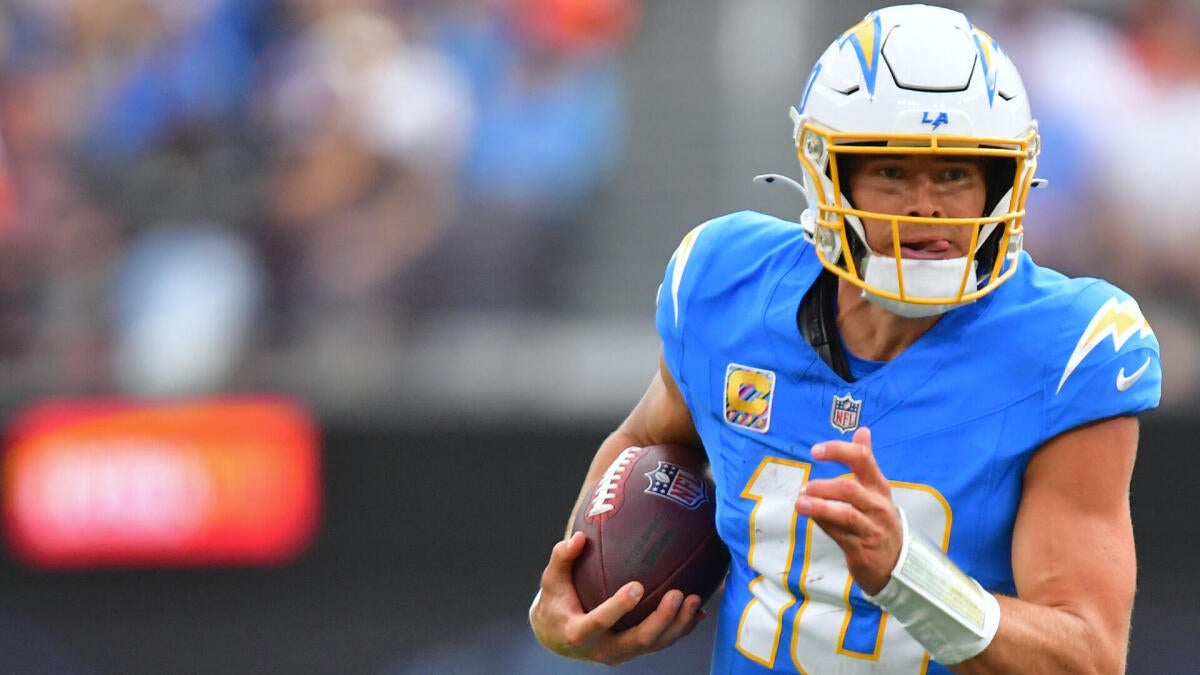
Dave Richard of CBS Sports breaks down the murky waters of this week's fantasy lineup decisions with meticulous attention. With Jalen Hurts out, the questions surrounding Justin Herbert's viability take center stage for those managing fantasy rosters. Meanwhile, lesser-known players like MarShawn Lloyd and Germie Bernard emerge in the conversation for starting positions due to their newfound opportunities and favorable matchups. This process transcends mere player selection; it’s akin to a chess match where understanding the dynamics beneath the numbers could make all the difference between a winning and losing lineup. Richard's insights push managers to think critically about each move, emphasizing the importance of strategy over sheer star power.
The challenges are real this week, and they are significant. Four teams are on bye, deepening the pool of unavailable talent. Injuries are mounting like an avalanche, and some offenses are struggling to find their footing amid the chaos. Gone are the days when a player's name value alone could guarantee them a spot in the starting lineup. Justin Herbert, a quarterback with sky-high expectations, finds himself grappling under the weight of recent matchups and offensive inconsistencies. Richard highlights these challenges, offering valuable insight into the strategic moves that managers might consider. This isn’t just about adjusting to injuries; it’s about handling a scene where every decision counts.
Richard's analysis dives into Justin Herbert's performance, peeling back the layers on a quarterback grappling with defenses that have learned to read him like an open book. It's a narrative that echoes throughout NFL history; teams evolve rapidly, and those who fail to adapt find themselves exposed and vulnerable. This video breakdown offers a glimpse into why Herbert might be more bench-worthy than his reputation suggests. Defenses have keyed in on his tendencies, exploiting them to their advantage. This insight forces fantasy managers to reconsider their loyalty to big names and instead focus on players who can deliver under pressure.
Then there's the unfolding story of Bo Nix and his ongoing struggles against zone coverage. Nix's inability to efficiently throw downfield against the Seahawks' defensive schemes paints a vivid picture of a player under siege. The stats reveal glaring challenges, but the broader implications for how teams are scripting their games are even more telling. As managers scrutinize these performances, they are prompted to question if their trust in certain names is misplaced. In a league where adaptability is key, Nix’s struggles serve as a cautionary tale. This video analysis below delves deeper into these on-field challenges, offering insights that could influence lineup decisions moving forward.
This week's lineup dilemmas aren't just isolated incidents; they reflect a recurring theme in the NFL where lofty expectations often clash with stark reality. Think back to 2013 when Colin Kaepernick took the league by storm, only to be gradually figured out by defenses that adapted to his style. Or consider the meteoric rise and fall of Robert Griffin III, whose early promise was derailed by injuries and defenses keen to exploit his weaknesses. The strategies that once dazzled can swiftly become vulnerabilities if not continually adapted. This historical context is a reminder that the league is as much about evolving tactics as it is about raw talent.
But let’s pause for reflection.
The NFL is a reflection of broader societal structures, where Black athletes handle a league dominated by complex power dynamics.
The NFL, much like the broader world, isn't solely about talent and skill; it's a reflection of deep-rooted societal structures. Black athletes handle a league dominated by intricate power dynamics that often work against them. Herbert's current challenges serve as a microcosm of the pressures that Black quarterbacks have historically faced. From the moment they step onto the field, they're expected to perform at a level of excellence that leaves no room for error. Every mistake is magnified, fueling narratives that they must be more than just athletes; they must be paragons of perfection in a system that scrutinizes their every move.
In the broader context of sports, the NFL's dynamics speak volumes about the systemic challenges that Black athletes continue to face. It's an ecosystem where every move is dissected, and missteps are magnified to a level that can overshadow triumphs. This is more than about fantasy football, it’s a reflection of the racial dynamics perpetually at play. Whether it's about who gets the starting nod or who captures the headlines, it's clear that Black athletes often have to strive harder for recognition and respect. Their journey is fraught with hurdles that extend beyond the field, into the very fabric of societal perception.
For the audience and the community reading this, it's a poignant reminder that the stories we consume have intricate layers. Beyond the stats and the fantasy points, there are athletes handling a complex world that both celebrates their achievements and scrutinizes their failures. Understanding this broader context allows us to appreciate not only the game but the players who grace the field with their talent and resilience. It encourages us to look beyond the surface, to understand the personal and societal narratives that influence every play and every player’s journey.