Keffe D Found Guilty: What the Conviction of Tupac's Alleged Killer Reveals About Justice and Hip-Hop Culture
By Andre Coleman, PowerVault Staff Las Vegas, August 31, 2023. The air felt charged, electrified with the weight of history. A jury found Duane "Keffe D" Davis guilty of first-degree murder, closing a chapter on a cas...

By Andre Coleman, PowerVault Staff
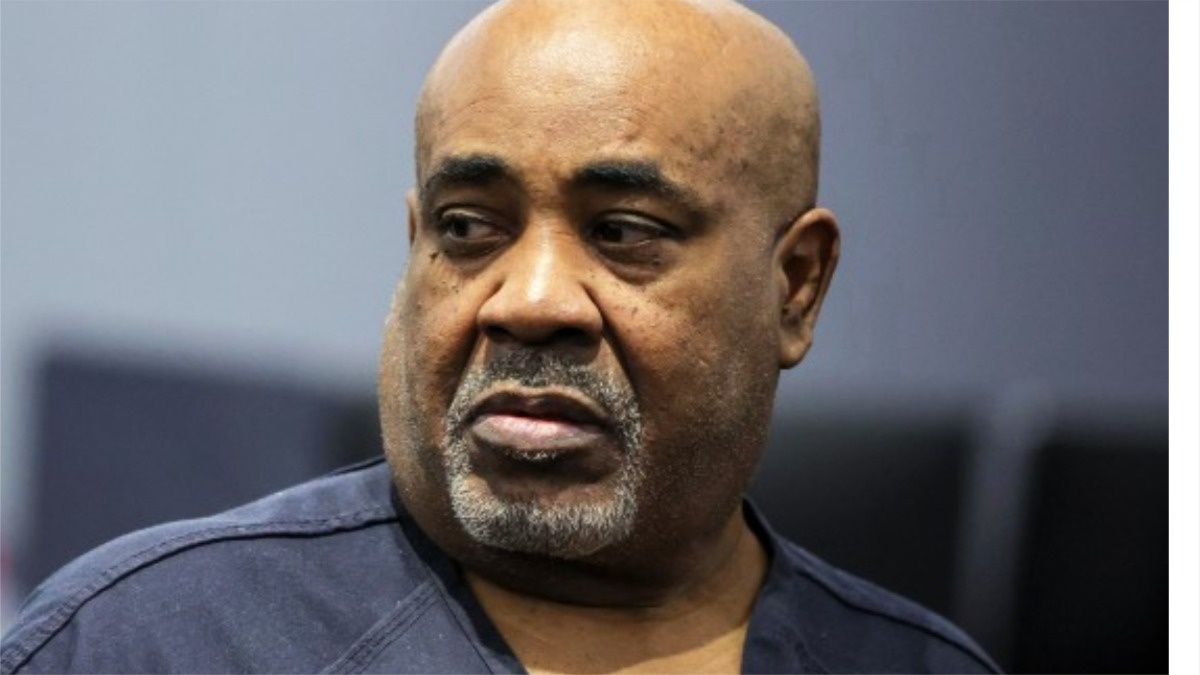
Las Vegas, August 31, 2023. The air felt charged, electrified with the weight of history. A jury found Duane "Keffe D" Davis guilty of first-degree murder, closing a chapter on a case that has haunted the hip-hop community for nearly thirty years. The verdict came after less than three hours of deliberation, a stark contrast to the decades of speculation, rumors, and conspiracy theories that surrounded the murder of Tupac Shakur. The swift juror decision punctuated a multi-week trial that sifted through a labyrinth of evidence and testimonies.
Tupac's murder on September 7, 1996, in a drive-by shooting in Las Vegas remains a defining moment in hip-hop history, emblematic of the perils of fame and the violence often lurking in the shadows of celebrity. As fans took to social media, some celebrated the verdict as a long-overdue step toward justice. However, it raises troubling questions about the systemic failures of law enforcement and the justice system. How did it take nearly three decades for a charge to be filed? Who else might have been involved, and why were they never prosecuted? These are critical questions that deserve attention.
Davis, now 63, was the only person ever criminally charged in connection with Tupac's murder, a fact that speaks volumes about the broader issues in how violent crimes, particularly those involving Black victims, are handled in America. The timeline of the case is riddled with missteps. Initial investigations were marred by a lack of urgency, a pattern that reflects a systemic negligence towards Black lives. From the beginning, law enforcement seemed more focused on the East Coast-West Coast rivalry that had engulfed the hip-hop scene rather than pursuing leads that might have pointed to the real perpetrators.
The trial unearthed not just the narrative of Tupac's life and death but also the culture of silence that surrounds many violent crimes in marginalized communities. Witnesses often fear repercussions for speaking out, a silence that can turn fatal. In Tupac's case, the fear of retribution may have hampered the investigation. Even after all these years, the reluctance to cooperate with law enforcement raises questions about trust. Public perception of police often skews negative, particularly within Black communities, where many view law enforcement as an adversary rather than a protector. This mistrust has significant implications, particularly when it comes to solving violent crimes.
The verdict also highlights an unsettling trend: the glorification of violence within the hip-hop community. While artists like Tupac used their platforms to discuss social issues, their lives were often cut short by the very violence they rapped about. The cycle of retaliation within hip-hop culture perpetuates a dangerous narrative, one that glorifies street credibility over peaceful resolution. As Davis was convicted, it was a stark reminder of how the genre’s portrayal of life in urban America can have real-world consequences.
For many, Tupac was more than a rapper; he was a voice for a generation. His lyrics spoke to the struggles of poverty, racial injustice, and the quest for identity in a world that often marginalized Black experiences. The implications of his murder extend far beyond one individual's death; they reflect a broader societal disregard for Black lives. The fact that it took so long to reach a conviction speaks to the systemic failings of a justice system that often underestimates the value of Black life.
In an era where justice is increasingly questioned, the question remains: who benefits from the conviction of Keffe D? Some may argue it provides a sense of closure to Tupac’s family and fans. Others might suggest it serves as a cautionary tale for those involved in the music industry, a reminder of the high stakes that accompany fame and fortune. Yet, it is essential to recognize that this conviction does not erase the pain of loss felt by Tupac’s family or the unresolved questions surrounding the conspiracy theories that have swirled for decades.
The cultural implications of this case extend to the present day, as the hip-hop industry grapples with its relationship to violence. The narrative that has developed around Tupac's life and death often romanticizes the very struggles he faced. This perception can influence young artists, who may feel compelled to embody a lifestyle that glorifies violence and criminality in pursuit of authenticity. The irony is that Tupac himself sought to rise above that narrative, advocating for change and self-awareness. The contradiction speaks volumes about how culture can entrap individuals in a cycle of violence.
As this story unfolds, the public must grapple with what justice looks like in the context of Black lives. Is a single conviction enough to address the systemic issues plaguing the justice system? Will it prompt more rigorous investigations into unsolved murders in the Black community? The questions linger and underscore the need for more profound changes within law enforcement and the courts. The conviction of Duane Davis represents a step forward, but it is merely a band-aid on a much larger wound.
Moving forward, the legacy of Tupac should inspire a reevaluation of how society treats the narratives surrounding Black culture and violence. For every Tupac, there are countless others who have fallen victim to a justice system that often fails to deliver accountability. As the hip-hop community continues to reflect on its past and present, the focus must shift to how artists can use their platforms not just to entertain but to advocate for change. The time has come to challenge the status quo and demand a better understanding of justice for Black lives.
In the wake of Davis's conviction, a call to action rings clear: what will the hip-hop community do to break the cycle of violence and mistrust? How can the legacy of Tupac Shakur foster a new era of awareness and accountability? As the dust settles on this verdict, it is critical to remember that justice is not merely about convictions. It’s about ensuring that lives like Tupac’s are valued in life, not just in death.