Florida Officer Brian Sguros Arrested: How a Fraudulent Home Takeover Exposed a Deeper Issue
By Simone Walker, PowerVault Staff Brian Louis Sguros, a 35-year-old officer from the Lauderhill Police Department, has been arrested for a scheme that's both shocking and emblematic of systemic failures. Accused of c...
Advertisement

By Simone Walker, PowerVault Staff
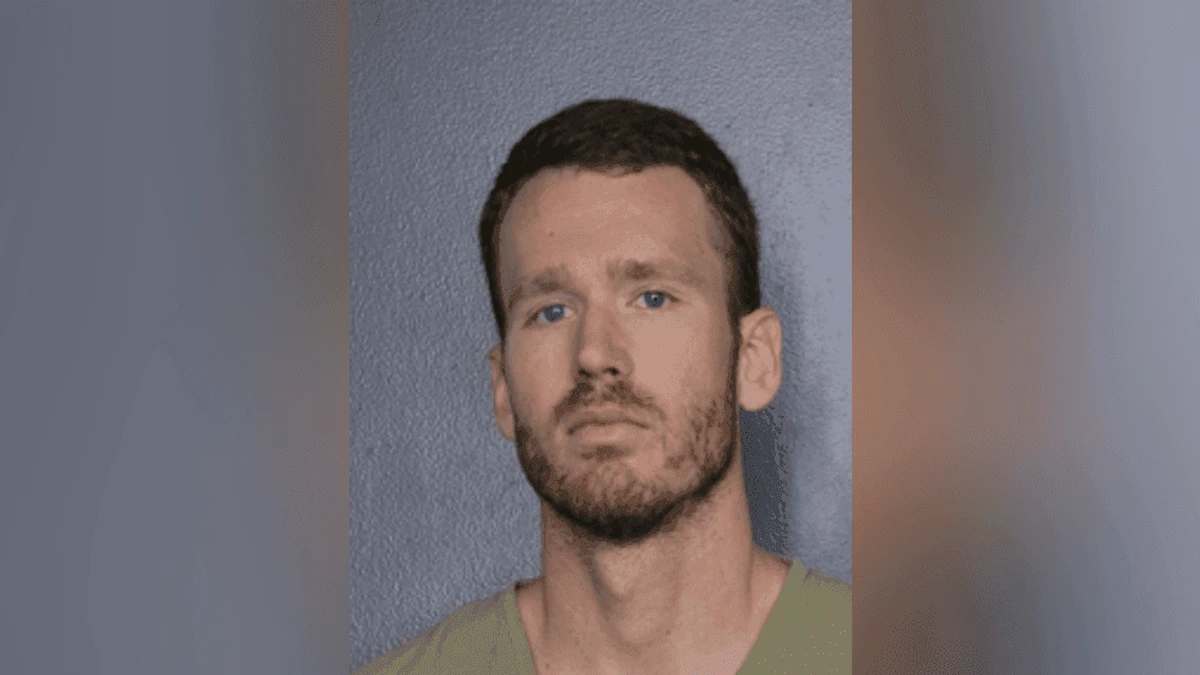
Brian Louis Sguros, a 35-year-old officer from the Lauderhill Police Department, has been arrested for a scheme that's both shocking and emblematic of systemic failures. Accused of commandeering the home of Dennis Ionis West, who passed away in July 2022, Sguros faces multiple charges including official misconduct and criminal use of a deceased person's identity. Beyond mere fraud, this situation represents a profound breach of trust, highlighting the vulnerability of individuals who rely on law enforcement not only for protection but also for maintaining the integrity of justice. This case raises unsettling questions about the ease with which some officers can exploit their roles, shedding light on broader issues within the policing system that allow such misconduct to occur unchecked.
The story began when Sguros was among the officers responding to a welfare check at West's residence. According to NBC Miami, Sguros allegedly exploited his access to West's personal information, using it to secure building permits by falsely presenting himself as a close friend. This misuse of information not only highlights a significant breach of ethical standards but also raises concerns about oversight and accountability within the police department. Such actions suggest a troubling lack of supervision, allowing officers like Sguros to operate unchecked. This incident shows the need for more stringent monitoring mechanisms to prevent such abuses of power and ensure that those who are supposed to protect the community are held to the highest standards of conduct.
Authorities allege that weeks after West's death, Sguros took control of the property with no legal sanction. He later admitted to this usurpation in court documents. The scheme unraveled when a complaint on May 27 prompted an investigation into Sguros's misuse of West's identity in property-related paperwork. This complaint, a critical turning point, exposed the extent of Sguros's deception, shedding light on his manipulation of official records to falsely claim ownership. The investigation revealed a pattern of fraudulent activity that went unchecked for months, raising serious questions about the systems in place to detect and prevent such misconduct. It highlights the need for more rigorous checks and balances within law enforcement agencies to safeguard against similar abuses.
The arrest affidavit reveals a more intricate deception. Sguros not only accessed West's driver's license and signature but also submitted falsified documents listing West as the living homeowner. This led to an $8,000 project to replace windows and doors purportedly sanctioned by West himself, despite his passing. This brazen act of forgery shows the lengths to which Sguros went to fabricate a narrative of legitimacy. By manipulating official documents, Sguros managed to create an illusion of legality, exploiting the trust inherent in legal and bureaucratic systems. Such fraudulent actions highlight significant gaps in oversight and verification processes, pointing to systemic vulnerabilities that allow individuals with malicious intent to manipulate official records for personal gain.
Adding layers to this deception, the affidavit details how a notary's name and seal were illegitimately used, falsely indicating that West had appeared before the notary. The notary, upon being questioned, denied any involvement. This type of fraud suggests a calculated manipulation of the system. It reveals how easily official seals and signatures, which are supposed to guarantee authenticity, can be misappropriated to serve fraudulent ends. This incident highlights the critical importance of implementing stricter verification processes and accountability measures to protect against such abuses. The exploitation of notarial seals in this manner shows the vulnerabilities within documentation processes and the need for reform to prevent similar incidents from occurring in the future.
This stark betrayal of trust isn't an anomaly. It echoes past incidents where those in power exploit their positions. Consider the infamous 1991 Rodney King case or more recently, the NYPD officer Victor Romero's shooting. These cases show a pattern where the very people sworn to protect the public become the perpetrators. Such incidents highlight systemic issues within law enforcement, where power and authority can be misused without sufficient accountability. They serve as reminders of the need for comprehensive reforms to address these deeply rooted problems. The recurring nature of such misconduct suggests that without meaningful change, the cycle of abuse will continue, eroding public trust and endangering the communities officers are meant to serve.
When law enforcement becomes the perpetrator, who do we trust to uphold justice?
When law enforcement becomes the perpetrator, who do we trust to uphold justice?
Sguros's case further complicates the public's relationship with law enforcement. Trust, once broken, is nearly impossible to mend. How does a community move forward when the uniform meant to signify protection instead becomes a symbol of deceit? This breach demands a reevaluation of how police officers are monitored and held accountable. The challenge lies in restoring confidence in a system that appears increasingly flawed, where those sworn to serve and protect can exploit their positions with impunity. This incident serves as a call to action for implementing robust oversight mechanisms and cultivating a culture of transparency and accountability within law enforcement agencies. Only through such measures can the public begin to rebuild trust in those tasked with safeguarding their communities.
The implications for the justice system are equally troubling. If officers like Sguros can so easily circumvent their duties, what safeguards exist to prevent similar offenses? The system appears to lack robust oversight mechanisms, leaving it vulnerable to those seeking to exploit it. This case highlights the urgent need for reforms that address these vulnerabilities and establish stringent checks and balances. Without such measures, the justice system remains susceptible to abuses of power, undermining its integrity and eroding public confidence. The discussion deepens in the post below, exploring potential solutions and the critical importance of accountability in ensuring justice for all.
For the Black community, this incident isn't just another headline. It reinforces the notion that systemic reform is not just necessary but urgent. The intersection of race and law enforcement has been a focal point in cases like the AKA murder trial, where fears of systemic bias run deep. Historical and ongoing disparities in how Black communities are policed show the need for comprehensive reforms that address these inequities head-on. The balance of power must be addressed, ensuring that law enforcement agencies operate with transparency and accountability. This case is a reminder of the work that remains to be done in achieving true justice and equality within the criminal justice system.
Advertisement
Sguros's actions, cloaked in authority, expose deep-rooted issues of privilege and unchecked power. When a police badge becomes a tool for personal gain, class dynamics shift, leaving marginalized communities at greater risk. This case shows the urgent need for systemic change to address these imbalances and ensure that those in positions of power are held accountable for their actions. The saga is a reminder of the systemic issues that persist within law enforcement, where abuses of power can occur unchecked. To protect vulnerable communities, it is imperative that reforms are implemented to create a more equitable and just system for all.
As the legal process unfolds, the community watches closely. Will justice truly be served, or will this case be another fleeting headline? The outcome will speak volumes about our commitment to reform. It's a wake-up call to those who believe accountability is optional. With societal trust on the line, we must demand transparency and action. The challenge now lies in rebuilding what has been broken, ensuring that safeguards are in place to prevent future breaches. The resolution of this case will serve as a litmus test for the justice system, reflecting its ability to hold those in power accountable and restore public confidence.